Interview with a Serial Killer
2008
No user ratings available yet
Representation score: 2.8 out of 10
Representation Score
Limited
1994
TV-PGDirector
Martin Coenen
Runtime
52 minutes
Average Rating
No ratings yetNew Showbiz Analysis
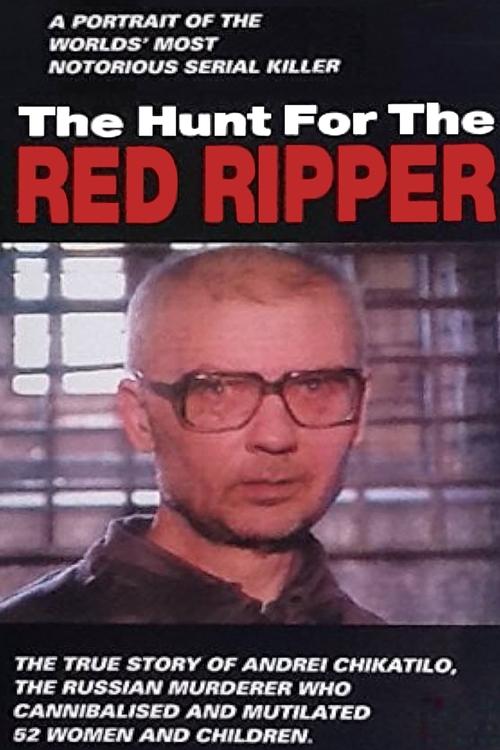
This documentary serves as a journalistic record of the Andrei Chikatilo case, prioritizing historical documentation over social commentary. The narrative is built around the criminal's pathology and the state's legal response to his crimes. Because the subject matter is rooted in violent crime and judicial outcomes, there is little room for identity exploration. The film adheres to traditional institutional frameworks, focusing on the efficacy of the KGB and the Russian psychiatric establishment. Ultimately, the film lacks depth in reflecting multiple aspects of identity. It documents a specific historical event through a lens of traditional justice, offering minimal ability to act to underrepresented groups or subversion of social hierarchies.
Category Breakdown
The documentary focuses on criminal pathology and legal proceedings. It contains no evidence of LGBTQ+ characters or narratives exploring non-straight relationships.
The narrative centers on the experiences of women and children as victims or survivors within a traditional investigative framework. Female subjects are largely defined by their roles within the story.
The film reflects its post-Soviet Russian setting through an ethnically homogeneous cast. It functions as a localized historical account rather than an attempt to disrupt Anglo-centric norms.
The film emphasizes the restoration of social order through the Russian judicial system and the KGB. It reinforces traditional concepts of justice and societal morality.
Mental health is explored through forensic psychiatry to assess the killer's sanity. This uses neurodivergence as a tool for criminal profiling rather than providing nuanced representation.
Present on Screen
Limited or Absent
Official Synopsis
A startling documentary about the world’s most brutal serial killer Andrei Chikatilo, a former Russian school teacher who was sentenced to death last October after a dramatic trial in which he was convicted of killing, mutilating, and cannibalising 52 women and children. Chikatilo is currently held in a bare provincial prison cell in the south of Russia awaiting a date with his executioner, giving exclusive interviews before and after the trial and plenty of astonishing footage captured by the police and KGB. We hear from relatives of his victims, former work colleagues, and experts on serial killers with the Moscow psychiatrist who proclaimed him sane. Highlights of the dramatic trial included the judges summing up and the sentencing which brought cheers and spontaneous applause from a packed courtroom in Rostov.
2008

2003
2020

2024
2021
2015
2004

2020
No reviews yet. Be the first to share your thoughts on this movie!
Use the rating form above to leave a star rating and optional review.