
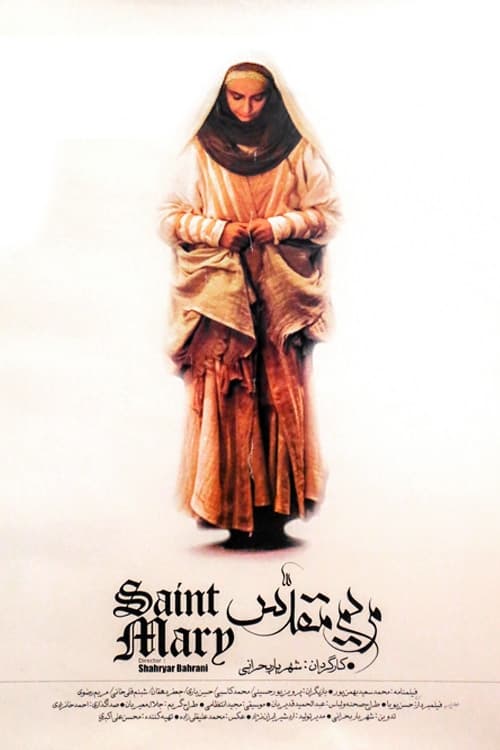
Mary of Nazareth
2012
No user ratings available yet
Representation score: 1.1 out of 10
Representation Score
Limited
2001
Director
Shahriar Bahrani
Runtime
110 minutes
Average Rating
No ratings yetNew Showbiz Analysis
Saint Mary uses a historical setting to challenge messianic clichés. By centering the narrative on the birth of a female figure instead of a male savior, the film provides a meaningful challenge to the patriarchal structures of 16 BCE Jerusalem. While the film successfully disrupts patriarchal hierarchies, it remains closely tied to traditional religious frameworks, lacking the multi-layered complexity or broader social deconstruction found in more progressive modern works. The representation is grounded in a specific Middle Eastern context, moving away from Western-centric storytelling, though it stays within the traditional historical drama genre.
Category Breakdown
The film centers on a traditional family unit involving Imran and Anna, with no indication of LGBTQ+ identities or narratives critiquing the assumption that everyone is straight or cisgender.
The story disrupts patriarchal expectations by focusing on a female protagonist. By replacing the expected male Messiah with a girl, the film challenges traditional gender hierarchies.
Set in 16 BCE Jerusalem, the film requires a Middle Eastern cast, moving away from Anglo-Saxon-centric narratives through its regional setting.
The narrative engages with religious history and spiritual frameworks. Tension arises from the community's reaction to the child's gender, suggesting a critique of rigid religious expectations.
There is no evidence of characters with physical or neurodivergent disabilities. The available information does not suggest any inclusion of disability representation.
Present on Screen
Limited or Absent
Official Synopsis
In the year 16 BCE, the people of Jerusalem are awaiting the birth of the son of Imran. Instead of the much-anticipated "Messiah", a girl is born to Imran and Anna. The latter names her ...
2012
1993
2019
2006
1993
1979

2024
2000
No reviews yet. Be the first to share your thoughts on this movie!
Use the rating form above to leave a star rating and optional review.