
Complexe
1964
No user ratings available yet
Representation score: 4.0 out of 10
Representation Score
Fair
1999
Director
Takuji Suzuki, Shinobu Yaguchi
Runtime
95 minutes
Average Rating
No ratings yetNew Showbiz Analysis
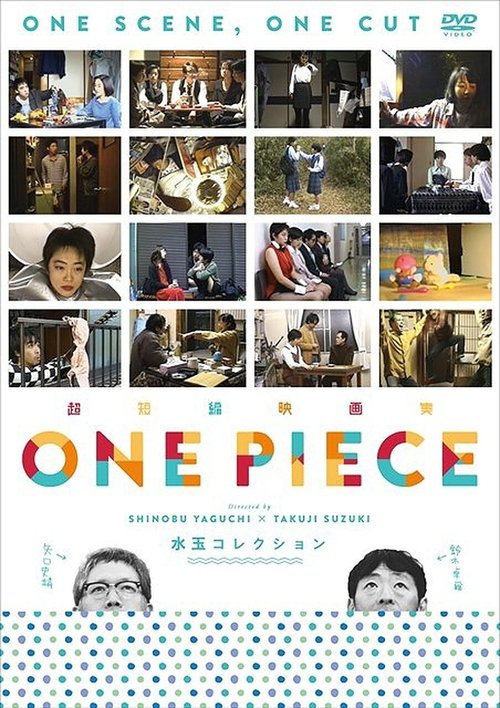
One Piece! 水玉 COLLECTION is a stylistically progressive work that prioritizes the disruption of social etiquette over overt identity politics. Its minimalist, anti-commercial approach serves as a critique of mainstream consumerist spectacle. While the film excels at deconstructing social norms and institutionalized hierarchies, it lacks explicit demographic breadth. The narrative focuses on domestic social conventions within a largely homogeneous Japanese context. Ultimately, the film's strength lies in its subversive narrative structure rather than its representation of diverse identities.
Category Breakdown
The film does not include explicit LGBTQ+ characters or narratives that challenge heteronormativity. It focuses on situational absurdity and social awkwardness.
Female characters challenge traditional decorum through chaotic actions, such as attending a job interview in a bunny suit. The film also critiques rigid social standards imposed on women.
This localized Japanese production reflects a homogeneous social environment. There is no evidence of diverse racial blending or non-white casts used to challenge historical norms.
The film skewers Japanese social conventions and critiques established hierarchies. A segment involving a cult leader suggests a narrative interest in subjective morality and organized influence.
While the film explores social alienation and bizarre behavior, there is no specific evidence regarding the portrayal of physical or neurodivergent disabilities.
Present on Screen
Limited or Absent
Official Synopsis
Made under the restrictions of "no zoom, pan, editing or post-sound", directors Shinobu Yaguchi and Takuji Suzuki skewer Japanese social conventions in 14 short episodes. In one segment a woman misreads an advertisement and arrives at a job interview dressed in a bunny suit. Another concerns a woman who hides to surprise her friends only to overhear their unkind appraisal of her hygiene. And another entitled "Grandpa from Hell" is a surreal yarn about a cult leader. Ranging from the humorous to the deeply bizarre, the film's static, minimalistic style makes such "Dogme 95" films as The Celebration (1998) look extravagant.
1964

1968
1971
2004
2018

1997
2020
1989
No reviews yet. Be the first to share your thoughts on this movie!
Use the rating form above to leave a star rating and optional review.