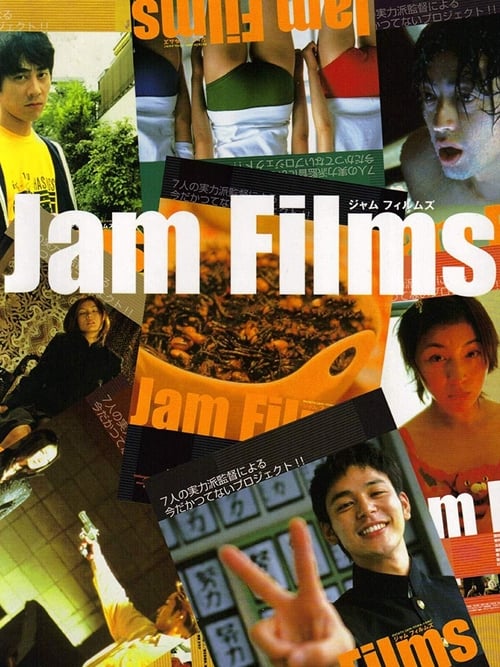
Jam Films
2002
No user ratings available yet
Representation score: 4.6 out of 10
Representation Score
Limited
2004
Director
Ryuichi Takatsu, Masakazu Abe, Ryo Tejima, Yūichi Abe, Kenji Sonoda, Hitoshi Ishikawa, Daizaburo Harada
Runtime
118 minutes
Average Rating
No ratings yetNew Showbiz Analysis
Jam Films S showcases Japanese genre cinema through seven distinct short films, emphasizing aesthetic variety. While featuring a high-profile ensemble, the anthology prioritizes genre conventions over deeper explorations of identity. Operating within a localized cultural context, the film focuses on themes of success and specialness. This approach limits its engagement with broader social critiques or diverse identity explorations. Ultimately, the work functions more as a collection of directorial vignettes than a platform for systemic change or progressive representation.
Category Breakdown
The anthology does not explore queer identities or non-straight relationships. Instead, it focuses on stylistic experimentation and genre clichés.
Female actors like Koyuki and Haruka Ayase play key roles, but their ability to act often follows traditional genre roles rather than challenging gender hierarchies.
The cast is predominantly Japanese, with limited diversity. While Zeebra brings urban cultural elements, the film does not embrace multicultural casting.
Themes of success and succession align with traditional societal goals. The shorts serve as aesthetic exercises without critiquing capitalism or Western institutions.
There is no evidence of physical or neurodivergent disabilities being portrayed. No specific characters or plot points involve disability.
Present on Screen
Limited or Absent
Official Synopsis
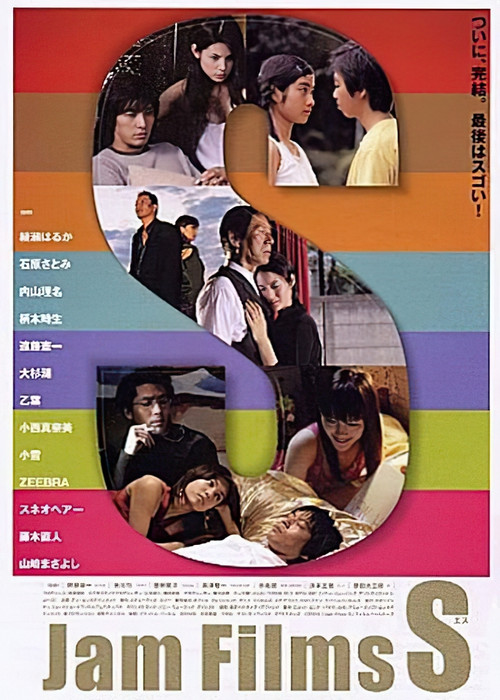
Jam Films S is a Japanese omnibus movie. It was released by Phantom FIlm in Japan on January 15, 2005. The movie follows 2002’s Jam Films and its 2004 sequel Jam Films 2. This time around, the overall theme is “S” which stands for succession, success, and special. There are seven shorts, all produced by Ryuhei Kitamura. Included are the shorts Tuesday by Kenji Sonoda, Heaven Sent by Ryuichi Takatsu, Blouse by Hitoshi Ishikawa, New Horizon by Ryo Teshima, Suberidai by Yuichi Abe, Alpha by Daisaburo Harada, and Suit by Masaki Hamamoto.
2002
2004

1964
2004
2000
1978
2008
1999
No reviews yet. Be the first to share your thoughts on this movie!
Use the rating form above to leave a star rating and optional review.