Streets of San Francisco
1949
No user ratings available yet
Diversity score: 2.5 out of 10
1948
APPROVEDDirector
George Blair
Runtime
60 minutes
Average Rating
No ratings yetSynopsis
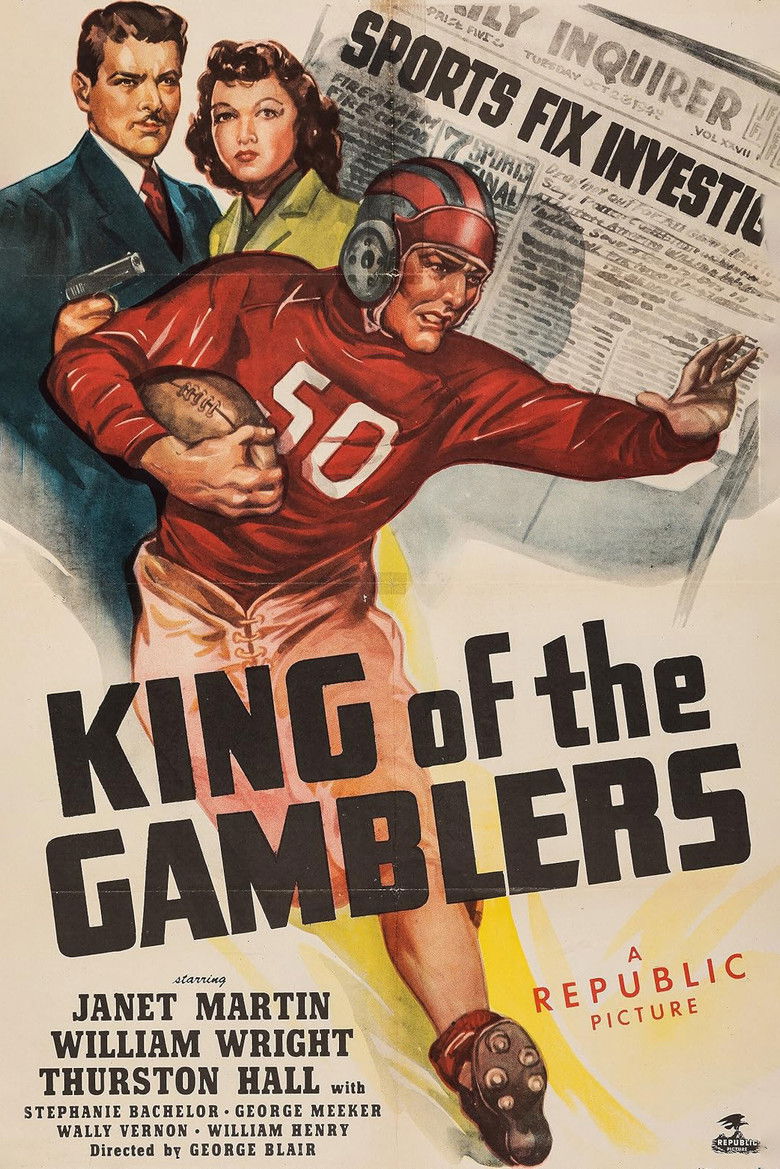
Dave Fowler is an honest and sincere American football player. Dave goes up against professional match gambler Bernie Dupal and Mike Burns, the corrupt sports magazine publisher. One day, Dave is found murdered and Jerry Muller, Burns' lawyer and son-in-law, sets out to find the killer.
Overall Score
Limited
Category Breakdown
LGBTQ+ Representation
The film follows a conventional mid-century crime structure. It lacks non-cisnormative identities or any critiques of heteronormativity.
Gender Representation
Male agency drives the plot through conflicts between athletes and corrupt publishers. Female characters appear to function as secondary motivators or decorative archetypes.
Racial & Ethnic Diversity
The cast consists of a homogeneous white ensemble typical of 1940s crime dramas. There is no evidence of racial blending or non-white protagonists.
Religious & Cultural Diversity
The story operates within a traditional Western moral framework. It centers on the tension between honesty and corruption rather than exploring diverse cultural perspectives.
Disability Representation
Characters are defined by socioeconomic roles and moral standing. There is no evidence of characters with visible or invisible disabilities.
Strengths
Areas for Improvement
AI Analysis
King of the Gamblers is a period-typical crime drama that functions as a closed system of traditional social and moral hierarchies. The narrative reinforces the mid-century status quo through a focus on male-driven conflict and a homogeneous demographic lens. The film adheres to the rigid genre conventions of the late 1940s, prioritizing efficient storytelling over the deconstruction of social hierarchies. It lacks the intentionality required to challenge systemic structures, serving instead as a standard genre exercise of its era.
1949

1948
1951

1938
1946
1946
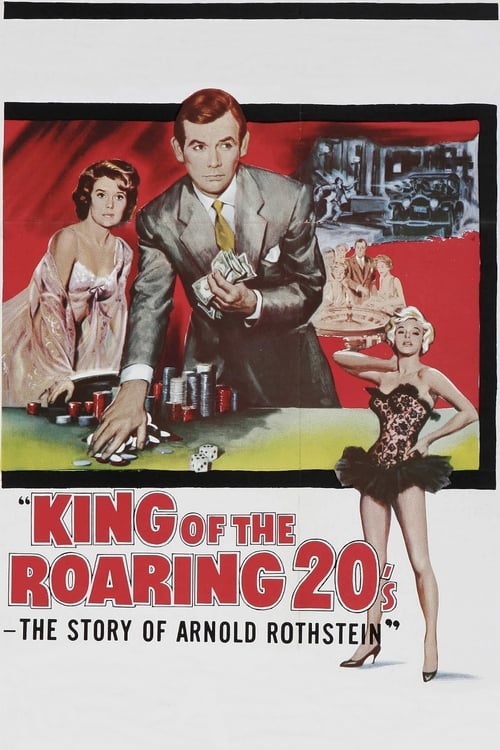
1961
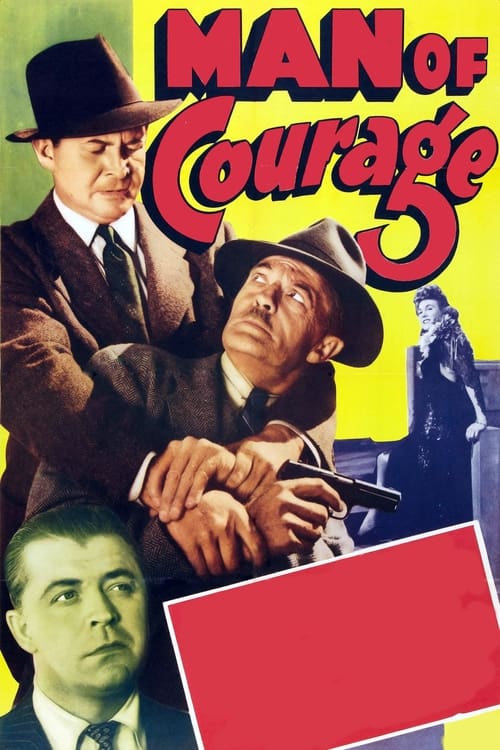
1943

1951

1952
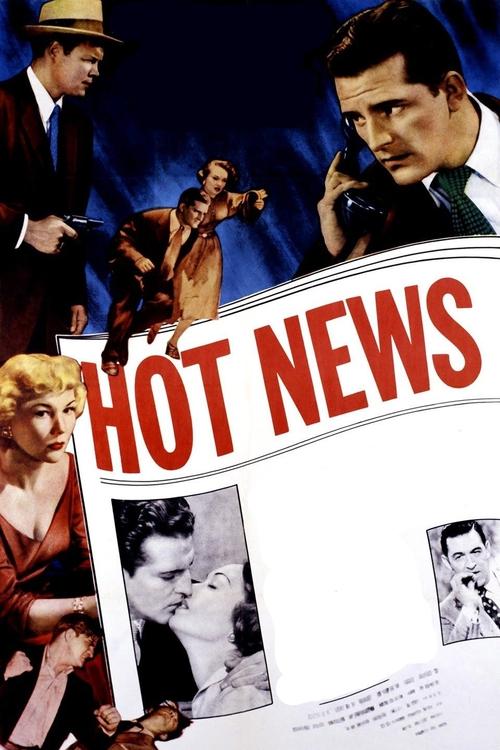
1953
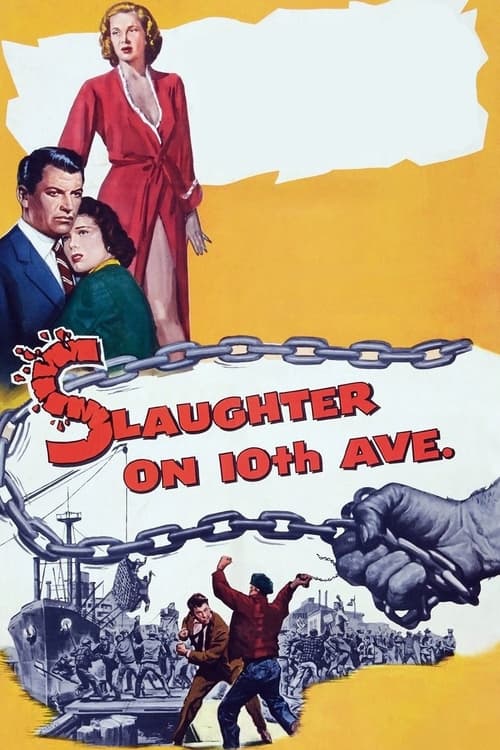
1957
No reviews yet. Be the first to share your thoughts on this movie!
Use the rating form above to leave a star rating and optional review.