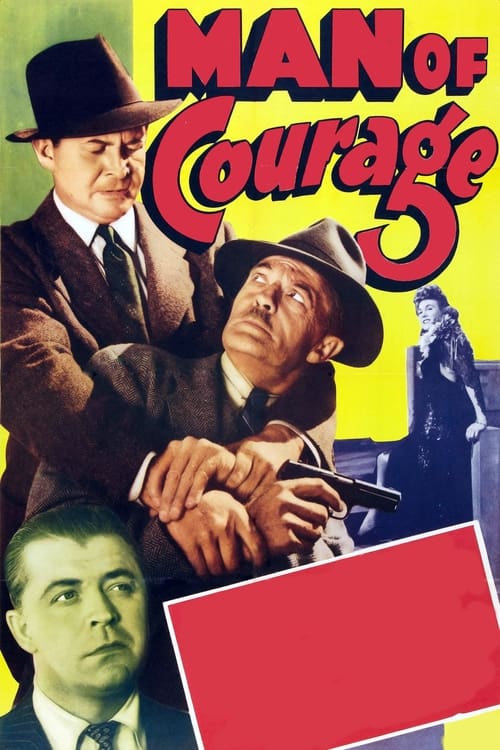
Man of Courage
1943
No user ratings available yet
Diversity score: 2.7 out of 10

1953
ApprovedDirector
Edward Bernds
Runtime
61 minutes
Average Rating
No ratings yetSynopsis
An ex-prize fighter -- now reporter -- tries to expose a gambling ring after an uneven bout in the ring kills a pugilist.
Overall Score
Minimal
Category Breakdown
LGBTQ+ Representation
The film lacks any evidence of LGBTQ+ characters or narratives. It adheres to the standard cinematic constraints regarding sexuality prevalent in 1953.
Gender Representation
The story centers on a male protagonist navigating male-dominated worlds like journalism and boxing. Female characters appear to serve as secondary motivators rather than drivers of the plot.
Racial & Ethnic Diversity
The film reflects the homogeneous social norms of the early 1950s. It lacks evidence of a diverse cast or non-white characters in positions of high agency.
Religious & Cultural Diversity
The narrative follows a traditional framework of justice and morality. It focuses on exposing corruption within a gambling ring rather than critiquing Western institutions.
Disability Representation
There is no documented evidence of characters with disabilities. The plot focuses entirely on the physical prowess and investigative skills of the protagonist.
Strengths
Areas for Improvement
AI Analysis
Hot News is a product of its era, functioning as a conventional mid-century crime drama. The narrative architecture prioritizes traditional masculine leadership and institutional stability, offering little engagement with social deconstruction. The film's focus on the boxing and gambling underworld reinforces the homogeneous social norms of 1953. It relies on established genre tropes rather than intersectional storytelling. Ultimately, the production aligns with the period's tendency toward white-centric, male-driven narratives, providing a standard look at crime and corruption without broader social commentary.
1943
1957
1936

1951
1945

1950
1951
1951

1939

1954
1952
1953
No reviews yet. Be the first to share your thoughts on this movie!
Use the rating form above to leave a star rating and optional review.