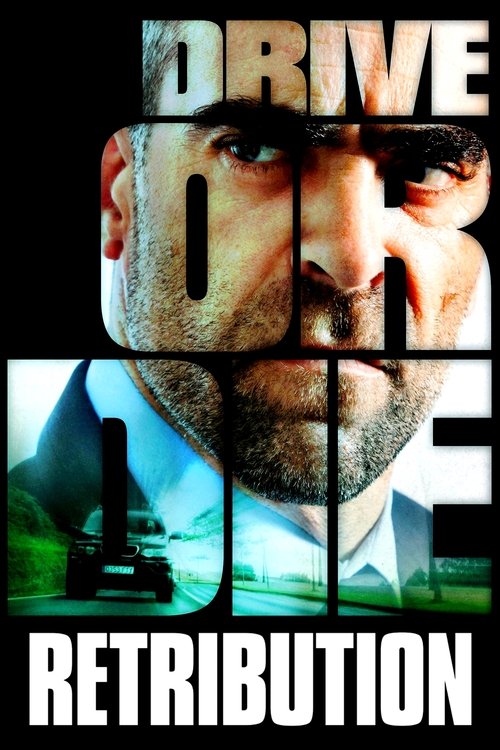
Retribution
2015
No user ratings available yet
Diversity score: 3.4 out of 10
2010
RDirector
Diego Velasco
Runtime
102 minutes
Average Rating
No ratings yetSynopsis
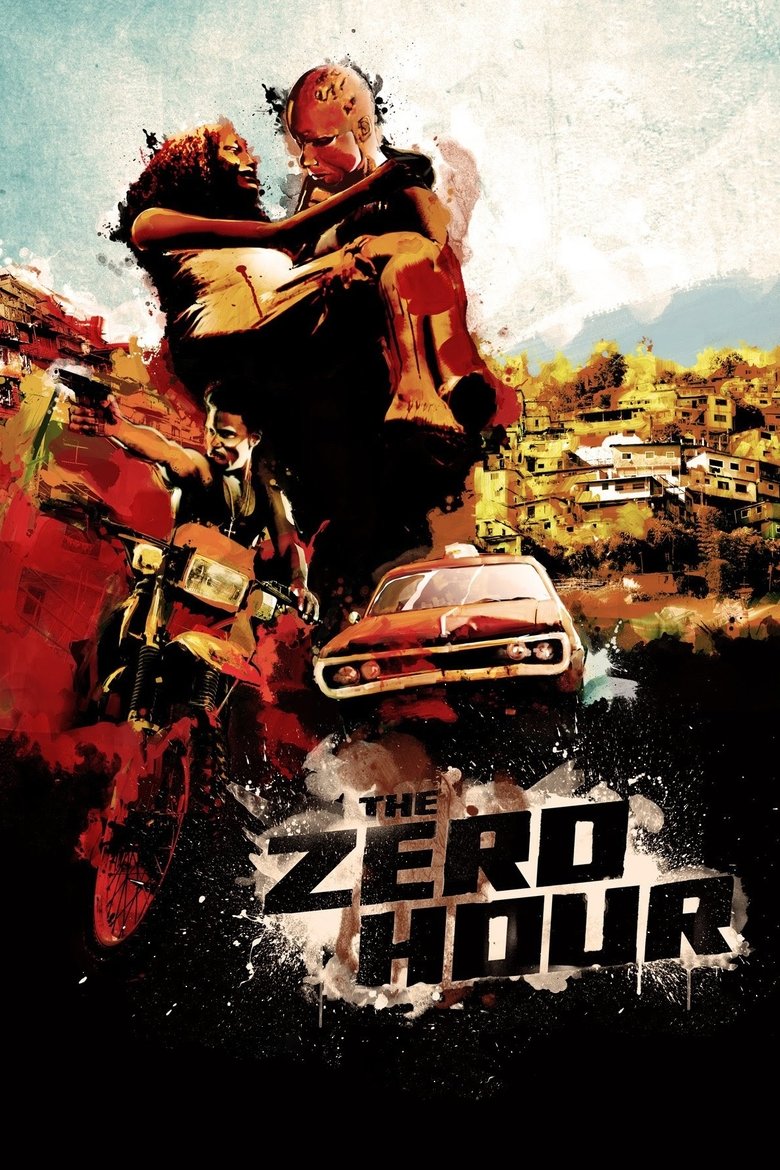
The Zero Hour tells the story of the La Parca (Zapata 666), a fearsome assassin who is forced to kidnap a private clinic to save the love of his life, Ladydi (Amanda Key). They soonreached the police and a media circus with them, who make our character into a national hero.La Parca finds that saving the life of Ladydi be difficult, but escaped with his followers will be an almost impossible task. Time starts to run out, and what seemed like a perfect plan will end in a frantic ending where La Parca is forced to confront past mistakes, and discover that their worst enemies are closer than he imagined.
Overall Score
Limited
Category Breakdown
LGBTQ+ Representation
The film focuses on a traditional romantic pairing between La Parca and Lady Di. There is no evidence of non-cisnormative identities or same-sex intimacy.
Gender Representation
The narrative relies on traditional archetypes, positioning Lady Di as a passive recipient of the protagonist's agency. Power dynamics center on masculine-coded aggression and protection.
Racial & Ethnic Diversity
While character names suggest a specific cultural setting, the film lacks explicit details regarding racial composition. There is no visible evidence of intersectional casting.
Religious & Cultural Diversity
The story critiques institutional authority by framing an assassin as a national hero. It explores moral relativism through the lens of a media circus.
Disability Representation
A medical crisis drives the plot, but there is no evidence of disability being represented as a lived identity. No neurodivergent characters are mentioned.
Strengths
Areas for Improvement
AI Analysis
The film operates as a high-stakes genre thriller that prioritizes plot-driven tension over diverse character exploration. It relies heavily on established tropes, such as the 'damsel in distress' and the misunderstood anti-hero, which limits its progressive depth. While the narrative offers a critique of how media can reshape public perception of criminality, it does not extend this subversion to gender or identity. The focus remains on individualistic ethics and masculine-coded action rather than systemic or intersectional representation. Ultimately, the work functions within conventional narrative boundaries. It lacks the complex character development necessary to challenge social hierarchies or provide meaningful representation for marginalized groups.
2015

2014

2014

2012

2015

2000
2009
2002
1994
2019
1998
2019
No reviews yet. Be the first to share your thoughts on this movie!
Use the rating form above to leave a star rating and optional review.