
Do You Like Me?
2019
No user ratings available yet
Representation score: 6.8 out of 10
Representation Score
Limited
2014
TV-14Director
Alejandro Fernández Almendras
Runtime
82 minutes
Average Rating
No ratings yetNew Showbiz Analysis
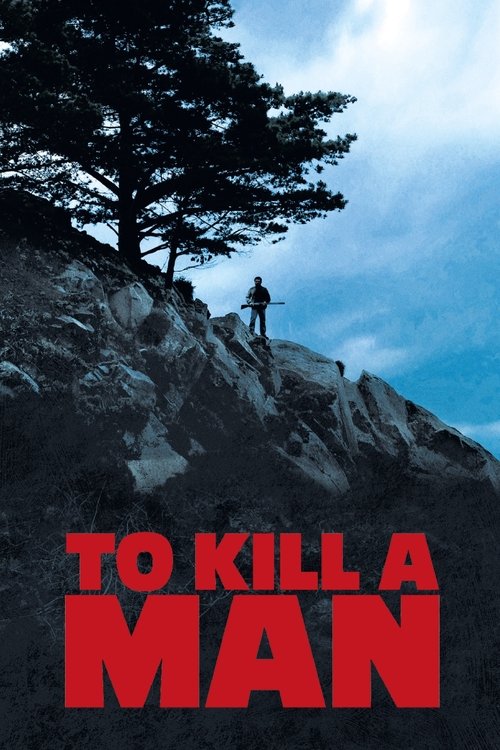
To Kill a Man is a gritty, neo-realist exploration of systemic failure in rural Chile. It excels at providing a grounded, culturally specific portrayal of a underrepresented community through authentic casting and a critique of institutional neglect. However, the film is limited by its narrow focus on traditional gender roles and a lack of LGBTQ+ representation. The narrative is driven almost entirely by masculine archetypes and patriarchal structures. Ultimately, the film's strength lies in its social commentary regarding the vacuum left by failed legal systems, even as it remains socially conservative in its character demographics.
Category Breakdown
The film maintains a strictly heterosexual and cisgender social structure. There is no queer-coded subtext, and the narrative focuses on traditional familial bonds and patriarchal lineage.
The story operates within a traditional masculine framework centered on archetypes of violence and strength. Female characters play minor roles and lack significant influence over the plot.
Casting includes actors from diverse backgrounds reflecting the socio-economic realities of the rural working class in Chile. This hyper-local realism avoids whitewashing and emphasizes authenticity.
The film offers a nuanced critique of Western institutional effectiveness. It portrays state authorities as ineffective, leading individuals to seek justice outside the law.
There are no prominent depictions of visible or invisible disabilities. No such themes serve as central character arcs within the narrative.
Present on Screen
Limited or Absent
Official Synopsis
Jorge is a peaceful hard-working man who seeks a simple, quiet life for himself and his family. One day, he is mugged and humiliated by a gang of thugs led by Kalule, a delinquent from his neighborhood. This event infuriates his son as much for Jorge’s meek acceptance as for the act itself. The son, looking for retribution, ends up getting himself shot. Kalule is sent to jail and when he gets out 18 months later, begins a campaign of terror against Jorge and his family. The authorities do nothing, so Jorge decides to take matters into his own hands.
2019
2008

2024
1983
2013
2019

1987

2017
No reviews yet. Be the first to share your thoughts on this movie!
Use the rating form above to leave a star rating and optional review.