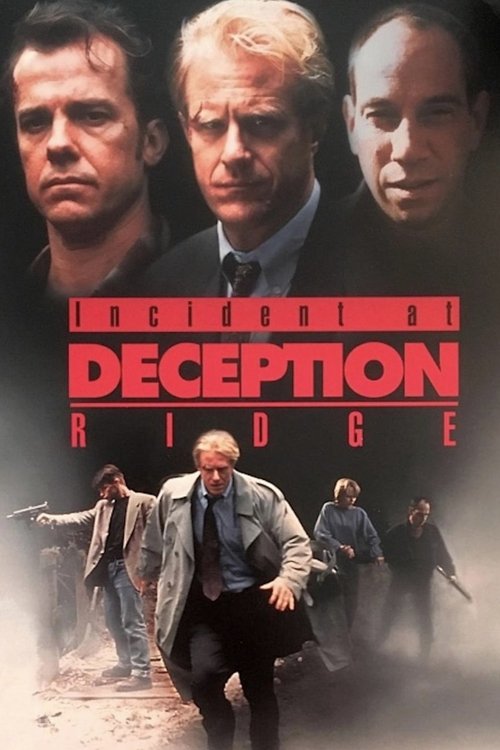
Incident at Deception Ridge
1994
No user ratings available yet
Representation score: 1.8 out of 10
Representation Score
Minimal
1998
Director
Armand Mastroianni
Runtime
105 minutes
Average Rating
No ratings yetNew Showbiz Analysis
The film is a conventional thriller that emphasizes psychological paranoia and narrative twists while maintaining a traditional demographic profile. It adheres to established genre conventions and avoids engaging with broader social or multi-layered themes. Despite the potential for cultural depth, the characters remain largely homogeneous. The narrative centers on individual survival and interpersonal conflict, avoiding significant engagement with systemic social critiques or the deconstruction of traditional hierarchies. Ultimately, the film functions as a standard genre piece. It challenges viewer perceptions of truth but does not incorporate diverse identities or progressive social themes.
Category Breakdown
The film focuses solely on heterosexual relationships and does not include any characters with same-sex attraction or non-binary gender identities.
Female characters play key roles in the plot but mostly fit into traditional roles like concerned lovers. The film relies on typical gender dynamics without challenging gender hierarchies.
The cast is primarily white, despite the Hawaiian setting. Characters are portrayed as outsiders, reinforcing a homogeneous demographic without delving into racial complexities.
The story follows a standard Western suspense format, focusing on individual survival and interpersonal conflict. It avoids themes like secularism, moral relativism, or critiques of Western institutions.
There is no depiction of physical disabilities or neurodivergence. Character arcs are driven by the suspense plot without addressing issues related to disability.
Present on Screen
Limited or Absent
Official Synopsis
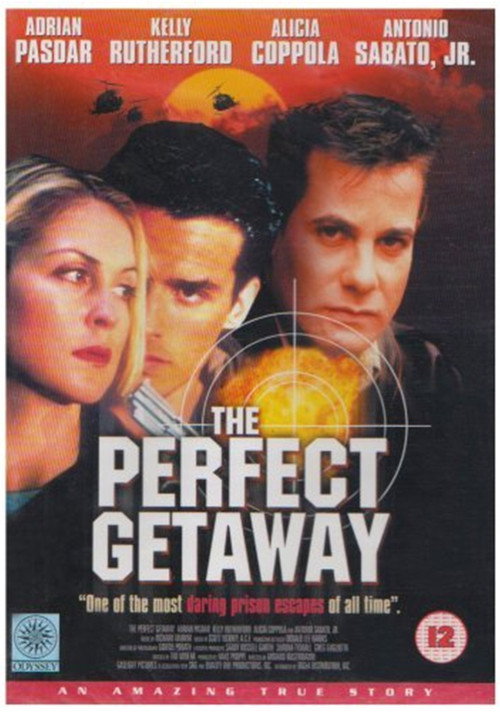
Colt Erickson is a helicopter pilot who's hired by a woman to fly her around. But suddenly she pulls a gun on him and tells Colt to land in the nearby prison. When they do one of the inmates goes in and she tells Colt to go but the guards shoot at the copter damaging it. So it crashes. Colt sees the man she broke out is Randy Savino a guy he knows. They are now trapped in the desert. Colt's girlfriend Julia is approached by the FBI who tell her about the break out. She says Colt wouldn't do that. That's when they reveal that Colt and Savino's past and that Colt has been making trips across the border. So it seems that the Feds are treating Colt like a suspect so Julia tries to find him herself.
1994
1989

1998
1997
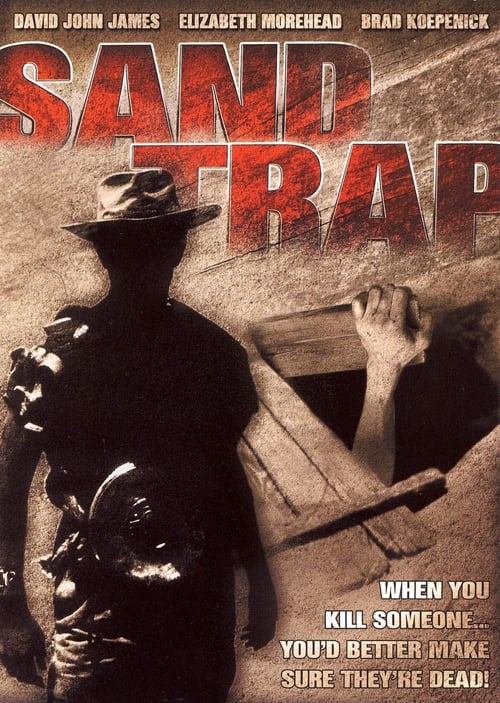
1998
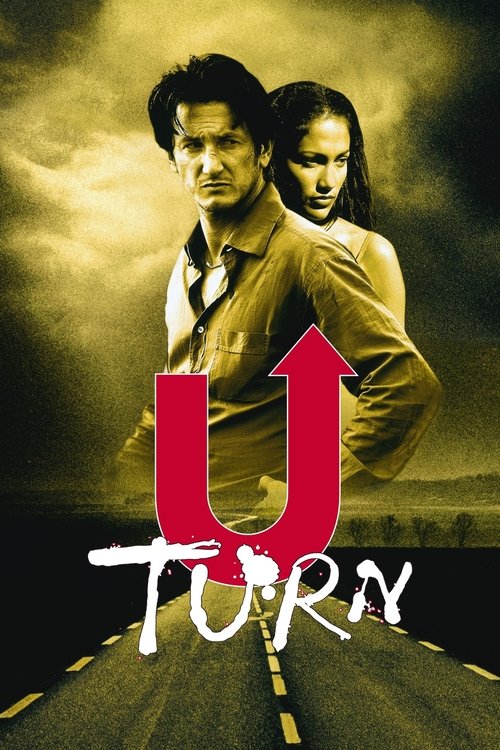
1997
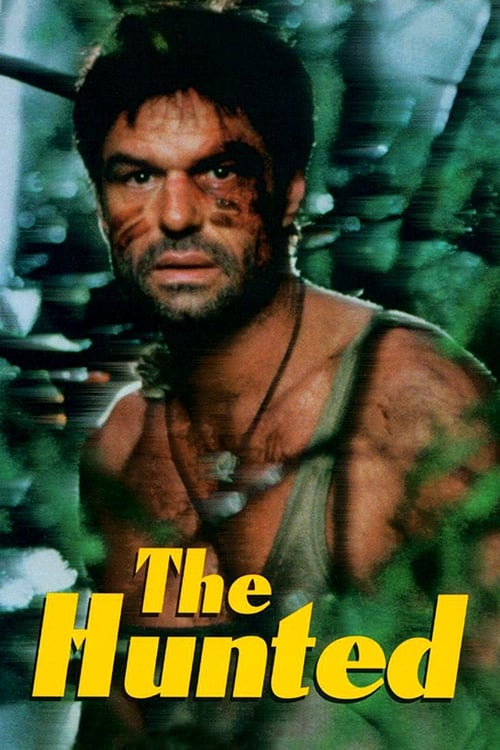
1998
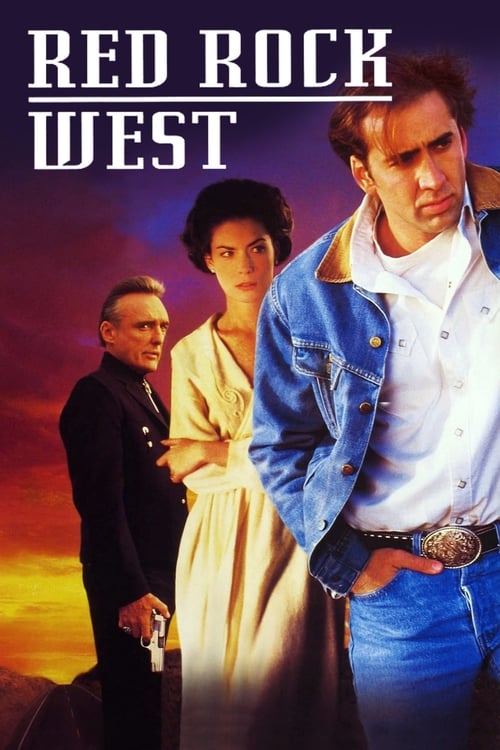
1993
No reviews yet. Be the first to share your thoughts on this movie!
Use the rating form above to leave a star rating and optional review.