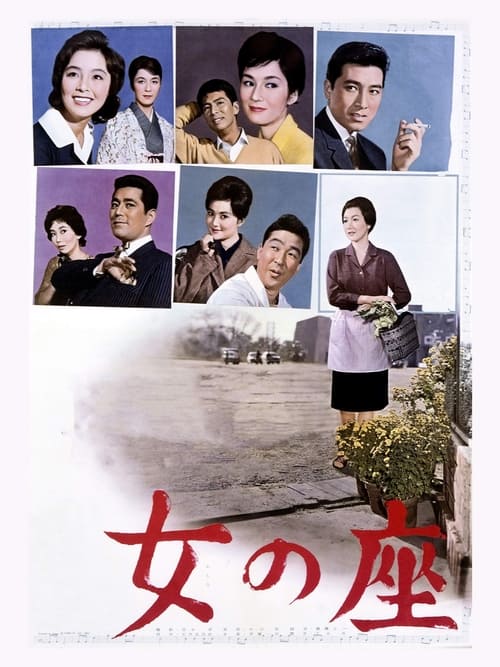
The Wiser Age
1962
No user ratings available yet
Diversity score: 5.4 out of 10

1965
Director
Kim Soo-yong
Runtime
91 minutes
Average Rating
No ratings yetSynopsis
A remote fishing island is home to a largely female-population. Men are frequently lost to the ocean as stubbornly going out to sea in the face of great danger. Young widows are made and quickly learn the hardships of life.
Overall Score
Fair
Category Breakdown
LGBTQ+ Representation
The film lacks explicit evidence of LGBTQ+ characters or non-heteronormative identities. The narrative focuses instead on the structural realities of widowhood and communal survival.
Gender Representation
The story disrupts patriarchal hierarchies by centering a largely female population. Women act as the primary drivers of communal endurance, subverting tropes of domestic submissiveness through their resilience.
Racial & Ethnic Diversity
The cast is ethnically homogeneous, reflecting the historical and geographical reality of a remote South Korean fishing village. It does not utilize multicultural casting.
Religious & Cultural Diversity
The film challenges idealized family notions by highlighting fragmentation caused by economic necessity. It prioritizes communal grit and survival over romanticized domesticity.
Disability Representation
There is no documented evidence regarding the portrayal of physical or neurodivergent disabilities within the narrative.
Strengths
Areas for Improvement
AI Analysis
Kim Soo-yong’s drama offers a significant study of gendered agency by centering a community defined by the absence of men. It moves the female experience from the periphery to the center, providing a nuanced look at communal resilience. While the film lacks intersectional breadth, it successfully deconstructs traditional hierarchies. The focus on the systemic hardships of women provides a powerful counter-narrative to male-centric historical dramas of the era. However, the film remains limited by its period-specific homogeneity and a lack of representation for queer identities or disabilities.
1962
1963

1951
1951

1959

1961
2017

2024
1995
1995

1969
1960
No reviews yet. Be the first to share your thoughts on this movie!
Use the rating form above to leave a star rating and optional review.