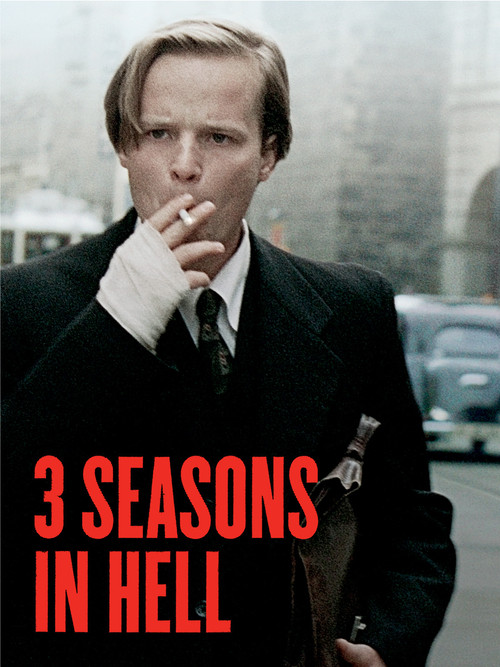
3 Seasons in Hell
2009
No user ratings available yet
Representation score: 4.7 out of 10

Representation Score
Fair
2010
TV-14Director
Andrea Sedláčková
Runtime
96 minutes
Average Rating
No ratings yetNew Showbiz Analysis
The film critiques mid-century authoritarianism but does not explore a broad range of social identities. It focuses on political resistance and state-driven power structures, lacking explicit representation of LGBTQ+ or racial diversity.
Category Breakdown
The film does not explicitly show LGBTQ+ identities or same-sex relationships. However, the underground jazz setting suggests a space for underrepresented expression.
Women play important roles in the resistance movement, taking on intellectually challenging positions that move away from traditional submissive roles.
The cast reflects the homogeneous demographics of 1950s Czech Republic, without evidence of diverse casting.
The film uses the underground jazz club as a metaphor for cultural autonomy and individual expression, critiquing systemic oppression.
There is no documented evidence of visible or invisible disabilities in the film's narrative.
Present on Screen
Limited or Absent
Official Synopsis
Back in 1950s, as the communist regime escalates, a group of Czech young people starts a resistance movement in an underground jazz club.
2009
2008
2022
2018
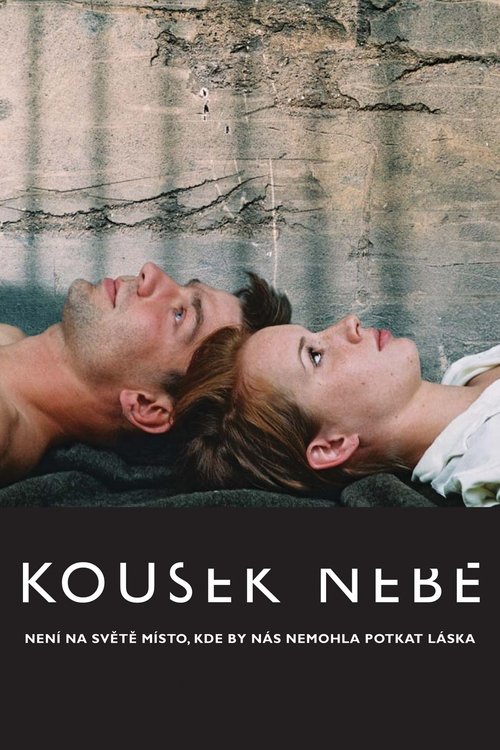
2005
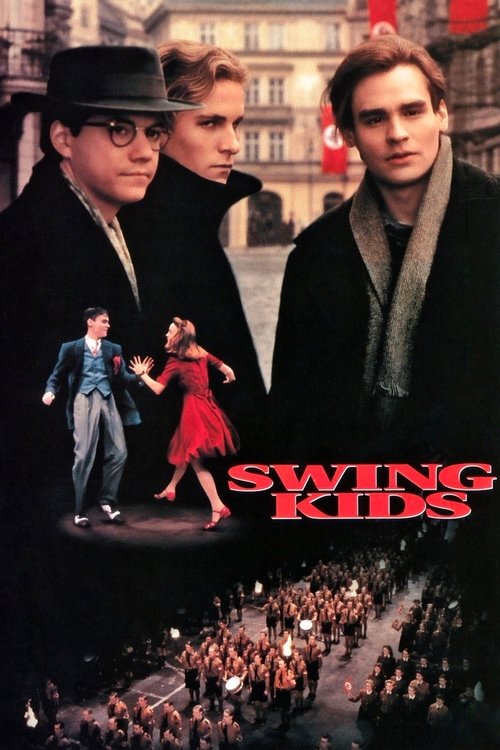
1993
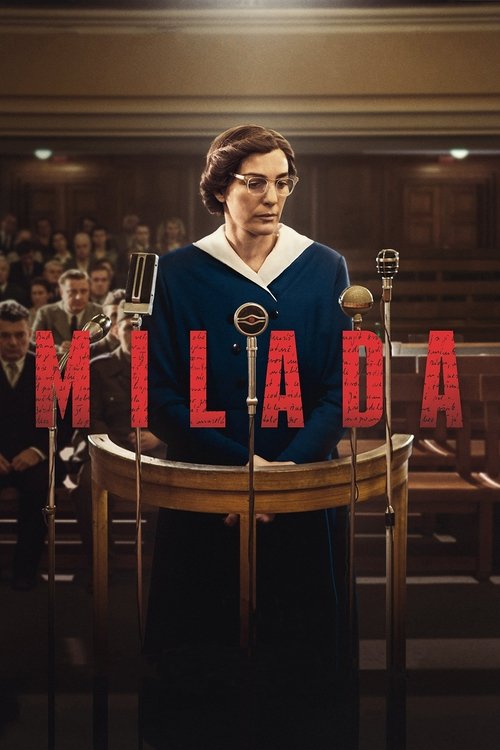
2017
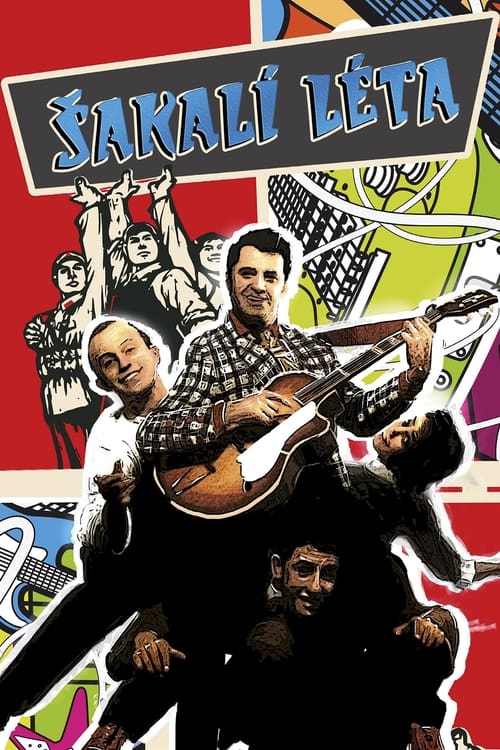
1993
No reviews yet. Be the first to share your thoughts on this movie!
Use the rating form above to leave a star rating and optional review.