
Three Touches
2014
No user ratings available yet
Diversity score: 5.8 out of 10
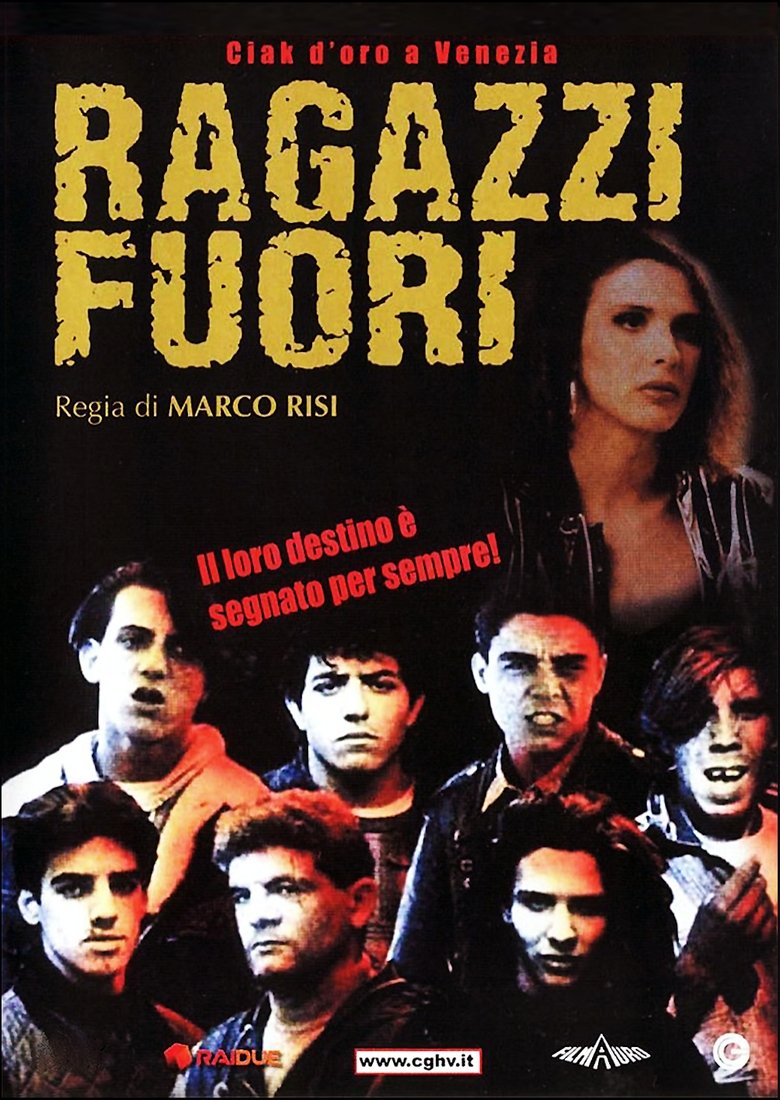
1990
Director
Marco Risi
Runtime
110 minutes
Average Rating
No ratings yetSynopsis
Young men with no future have little in the present as well. Natale is released from prison: he takes up with his friends again but none can find work. Claudio, from Palermo, gets out of juvenile detention in Naples and he's met by Vita, a girl who's come from home to run away with him. Where can they go? A young dad, whose potato stall at the market is shut down because he has no permit, takes his two small children to the beach and yells at them. Mario, gay, a prostitute in drag, gets a visit from his mom; he offers tea, then finds the water to his apartment is shut off. Social workers drop by, parole officers file reports. What hope is there? What options besides crime?
Overall Score
Good
Category Breakdown
LGBTQ+ Representation
Mario is depicted as a gay man working as a prostitute in drag. His identity is woven into the film's themes of economic hardship rather than being used for comedic relief.
Gender Representation
The film subverts patriarchal norms by showing a father unable to provide for his children due to systemic barriers. Vita also seeks autonomy by running away from home.
Racial & Ethnic Diversity
The cast appears to reflect a localized, homogeneous Italian demographic. The narrative focuses on class-based struggles rather than racial or ethnic diversity.
Religious & Cultural Diversity
The story offers a sharp critique of Western institutions, portraying state agencies as obstructive. It frames crime as a pragmatic response to systemic exclusion.
Disability Representation
There is no specific evidence regarding the representation of physical or neurodivergent disabilities within the film's narrative.
Strengths
Areas for Improvement
AI Analysis
Boys on the Outside is a gritty work of social realism that centers on individuals living on the margins of society. It effectively uses characters like Mario and the struggling young father to highlight how systemic failures impact personal identity and family stability. The film excels in its cultural critique, portraying the state as a source of friction rather than support. This provides a nuanced look at how institutional neglect drives marginalized groups toward crime. However, the film lacks racial diversity and specific disability representation. While it captures the urban underclass, the demographic focus remains largely homogeneous.
2014
1989
1994

2014

2017

1997

1988

1996
1997

1975

2018
1998
No reviews yet. Be the first to share your thoughts on this movie!
Use the rating form above to leave a star rating and optional review.