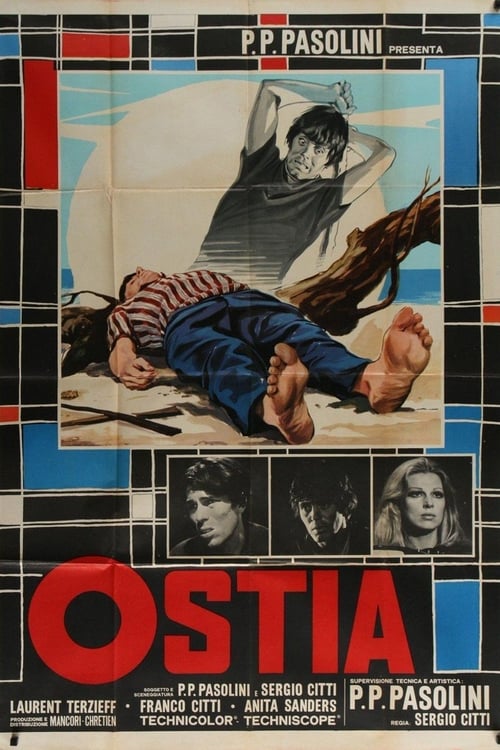
Ostia
1970
No user ratings available yet
Representation score: 5.7 out of 10
Representation Score
Good
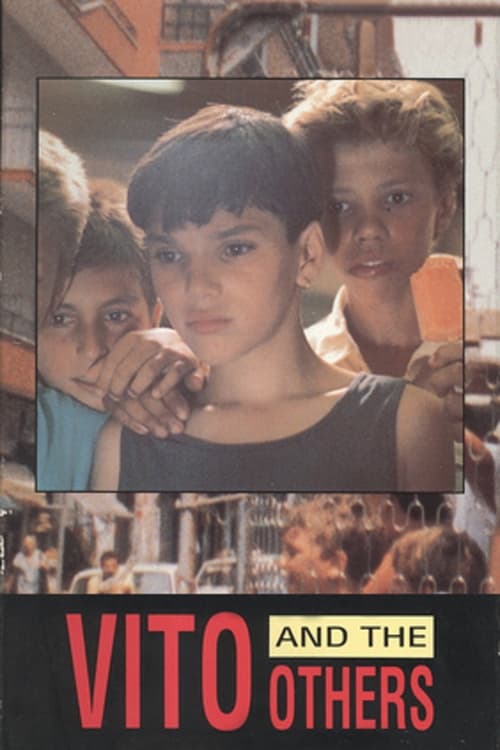
1991
Director
Antonio Capuano
Runtime
83 minutes
Average Rating
No ratings yetNew Showbiz Analysis
Antonio Capuano’s drama serves as a gritty, realist critique of social structures. By centering on the breakdown of the family and the failure of authority, the film challenges conventional depictions of social order and institutional stability. The work provides a raw look at the underrepresented urban underclass and disrupts sanitized national identities by focusing on the complex realities of the Neapolitan setting. However, it lacks explicit markers of diverse identities, such as queer representation or active ability to act for women.
Category Breakdown
While the film does not explicitly confirm queer identities or romantic pairings, the fractured social landscape of Naples often allows for non-traditional lifestyles to emerge in realist cinema.
The narrative centers on domestic violence and the failure of traditional protective roles. Female characters are primarily portrayed through the lens of victimization rather than having a significant role in driving the story or challenging masculinity.
The film disrupts sanitized depictions of Italian life by focusing on the urban underclass. Using the Neapolitan setting, it highlights social stratification and a complex, localized reality.
The story critiques traditional social hierarchies and institutional stability. It portrays the family unit and legal systems as failing, framing youth delinquency as a consequence of systemic socioeconomic neglect.
There is no explicit mention of physical or neurodivergent disabilities. Instead, the characters navigate profound psychological trauma and invisible scars associated with long-term poverty and abuse.
Present on Screen
Limited or Absent
Official Synopsis
A despairing man murders his wife and his son on New Year's Eve before surrendering to the police. Placed in the custody of sexually abusive relatives, his only surviving child Vito is left free to roam the trash-strewn back streets of Naples where he and his friends engage in drug abuse, prostitution and petty crime.
1970

1980
1990
1961

1992

2011

1975

1984
No reviews yet. Be the first to share your thoughts on this movie!
Use the rating form above to leave a star rating and optional review.