The Bells Go Down
1943
No user ratings available yet
Representation score: 1.5 out of 10
Representation Score
Minimal
1943
Director
Humphrey Jennings
Runtime
70 minutes
Average Rating
No ratings yetNew Showbiz Analysis
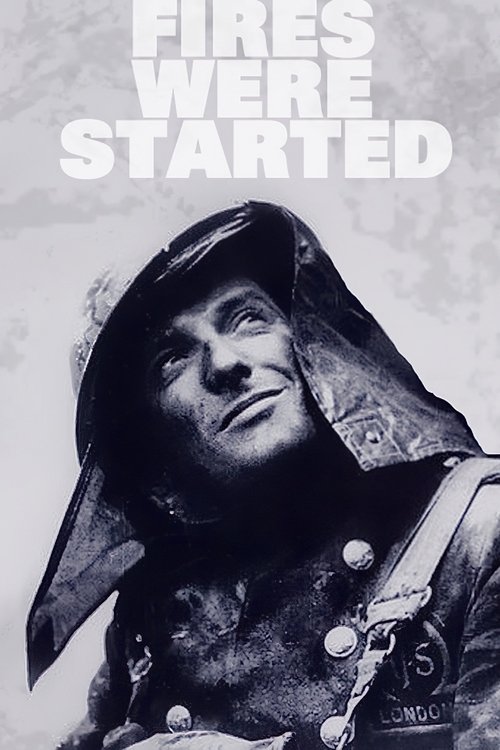
Fires Were Started is a typical example of mid-20th century patriotic documentary filmmaking. Its main aim is to boost wartime morale by showing social stability and communal effort. The film upholds existing social and cultural hierarchies rather than challenging them. By focusing on a uniform English countryside, it emphasizes national unity over diverse perspectives. Overall, the film reflects the demographic and social conditions of 1940s Britain, highlighting traditional roles and a unified national identity during the Blitz.
Category Breakdown
The film does not depict any non-binary gender identities or same-sex relationships. It follows the assumption that everyone is straight or cisgender.
Women are shown doing important farm and household work. However, these roles are still defined by traditional gender roles and responsibilities.
The movie mainly focuses on a white, farming community. There are no characters from diverse racial or ethnic backgrounds.
The film highlights patriotism and the importance of preserving traditional Western institutions such as villages and families. It supports existing social structures.
The film does not show any characters with visible or invisible disabilities. It focuses on the collective labor of an able-bodied workforce.
Present on Screen
Limited or Absent
Official Synopsis
British film written and directed by Humphrey Jennings, filmed in documentary style showing the lives of firefighters through the Blitz in World War II.
1943

1942
1943

1946
1942
1962
1943

1943
No reviews yet. Be the first to share your thoughts on this movie!
Use the rating form above to leave a star rating and optional review.