Lady Dragon 2
1993
No user ratings available yet
Representation score: 2.9 out of 10
Representation Score
Limited
1993
Director
Herman Yau
Runtime
89 minutes
Average Rating
No ratings yetNew Showbiz Analysis
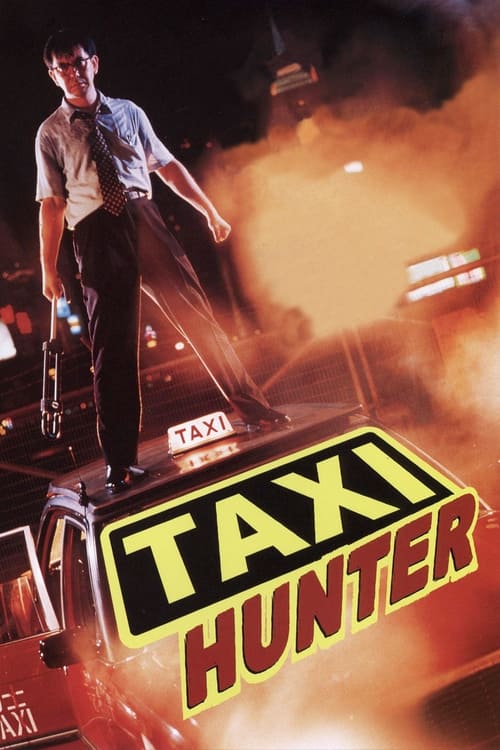
Taxi Hunter is a gritty crime thriller that prioritizes genre clichés and themes of vengeance over broad demographic representation. The narrative is driven by a personal tragedy that examines the breakdown of social responsibility and institutional reliability. While the film lacks diverse representation regarding sexuality and disability, it offers a nuanced critique of social cohesion. It focuses on the socioeconomic realities of the Hong Kong working class and the tensions caused by systemic indifference. Ultimately, the film's value lies in its dark deconstruction of the social contract rather than its diversity of identity.
Category Breakdown
The film does not include any LGBTQ+ characters. The story centers around a traditional family structure and does not address queer identities.
Gender roles are traditional, focusing on a male protagonist's journey. The female lead mainly serves as a plot catalyst through her vulnerability and eventual death.
The cast reflects the local Hong Kong population, featuring mostly East Asian actors. It provides a culturally specific portrayal of the local working class.
The story critiques institutional reliability and social contracts, emphasizing gritty realism over traditional moralizing or religious themes.
The film does not feature any characters with visible or invisible disabilities. There is no representation of individuals with disabilities having significant roles.
Present on Screen
Limited or Absent
Official Synopsis
Kin is a hard-working insurance salesman with a very pregnant wife. When his wife starts haemorrhaging, he calls a taxi, but it leaves when someone else offers more money. After his wife dies, Kin vows to get revenge on all taxi drivers by taking them out one at a time.
1993
1983

2007

2009

2006
1974

2003
1989
No reviews yet. Be the first to share your thoughts on this movie!
Use the rating form above to leave a star rating and optional review.