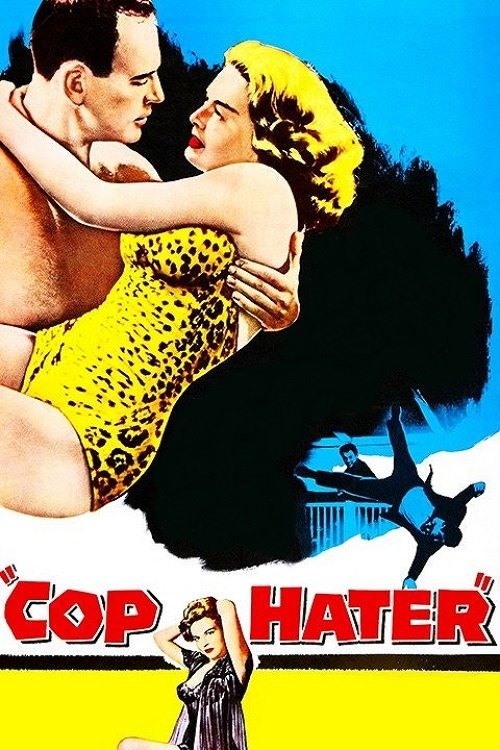
Cop Hater
1958
No user ratings available yet
Representation score: 1.9 out of 10
Representation Score
Limited
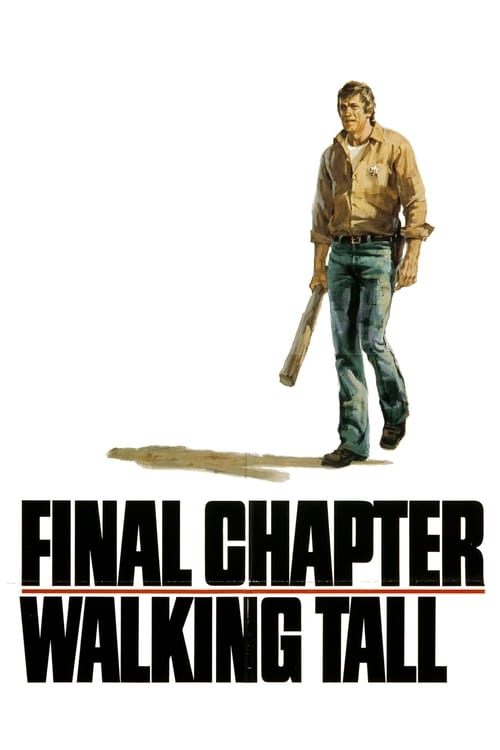
1977
RDirector
Jack Starrett
Runtime
113 minutes
Average Rating
No ratings yetNew Showbiz Analysis
Final Chapter: Walking Tall is a conventional 1970s action piece that relies heavily on established masculine archetypes. The story focuses on the singular heroism of Sheriff Buford Pusser, reinforcing a traditionalist view of justice and authority. The film lacks depth in representing diverse perspectives, operating within a narrow social framework. It prioritizes physical strength and individual control, leaving little room for complex social critiques. Ultimately, the movie functions as a localized genre drama that reinforces mid-century cinematic clichés rather than challenging them.
Category Breakdown
The film follows strict conventions that assume everyone is straight and cisgender. There is no presence of LGBTQ+ representation or queer subtext.
Gender roles follow traditional hierarchies. Female characters have little independent influence, appearing mainly as victims or defined by their connection to the male protagonist.
The story centers on a homogeneous, small-town setting. It lacks intentional racial diversity or varied casting to challenge historical norms.
The narrative emphasizes traditional Western values and individual moral righteousness. It focuses on restoring order rather than critiquing systemic or institutional oppression.
The film prioritizes able-bodied characters involved in physical combat. There is no evidence of neurodivergent or physically disabled characters having significant influence.
Present on Screen
Limited or Absent
Official Synopsis
It's the final chapter in this chilling, real-life story of Sheriff Buford Pusser, a good-hearted lawman set on keeping his town safe. Still distraught over his wife's death, he blows up every moonshine still in McNairy county and burns the brothels and whiskey joints to the ground. Having gone too far, he's voted out of office, but that doesn't stop the mob from seeking their revenge. Buford soon discovers how small his town is when he runs out of highway with the mob on his trail.
1958
1973
1983
1972
1991
1973
1984
1989
No reviews yet. Be the first to share your thoughts on this movie!
Use the rating form above to leave a star rating and optional review.