Fairy Tales
1978
No user ratings available yet
Representation score: 3.9 out of 10
Representation Score
Limited
1975
PGDirector
Richard Lester
Runtime
102 minutes
Average Rating
No ratings yetNew Showbiz Analysis
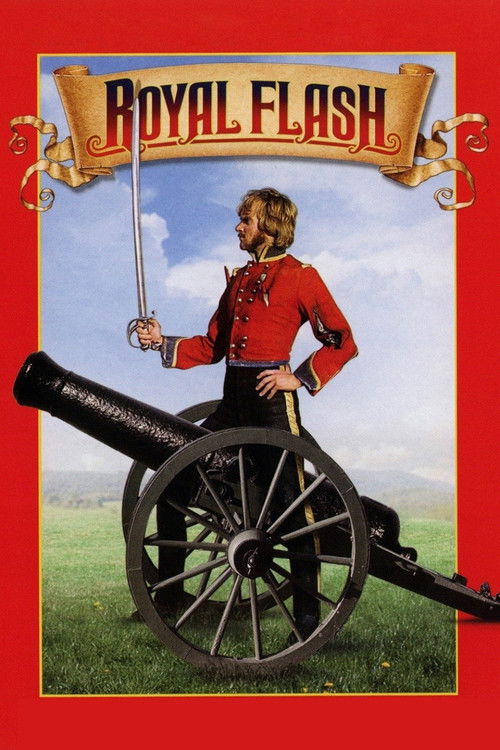
Royal Flash operates as a postmodern deconstruction of the period drama. It uses a farcical framework to highlight the performative nature of status and morality, challenging the dignity typically found in historical settings. The film achieves moderate progressiveness by granting women intellectual parity and tactical ability to act. However, it remains limited by a Eurocentric focus and a lack of representation regarding race and LGBTQ+ identities. Ultimately, the work's strength lies in its satirical treatment of class-based authority and its refusal to treat traditional social institutions with reverence.
Category Breakdown
The film centers on traditional romantic pursuits and social climbing. It does not include any representation of LGBTQ+ identities or narratives that question the assumption that everyone is straight or cisgender.
Female characters actively participate in central deceptions rather than serving as passive stereotypes. They have the ability to engage in complex schemes alongside the male protagonists.
The ensemble is predominantly homogeneous, reflecting the historical constraints of 19th-century European nobility. There is no evidence of actors from diverse racial backgrounds being cast in roles traditionally expected to be white.
The narrative challenges the sanctity of the class system by focusing on con artists. It portrays social hierarchies as absurd and easily manipulated by rogues.
There are no prominent depictions of physical or neurodivergent disabilities. No such traits serve as central narrative drivers in the film.
Present on Screen
Limited or Absent
Official Synopsis
Cowardly rogue Harry Flashman's (Malcolm McDowell) schemes to gain entry to the royal circles of 19th-century Europe go nowhere until he meets a pair of devious nobles with their own agenda. At their urging, Flashman agrees to re-create himself as a bogus Prussian nobleman to woo a beautiful duchess. But the half-baked plan quickly comes unraveled, and he's soon on the run from several new enemies who are all calling for the rapscallion's head.
1978
1962
1961
1952
1979
1957
1961
1996
No reviews yet. Be the first to share your thoughts on this movie!
Use the rating form above to leave a star rating and optional review.