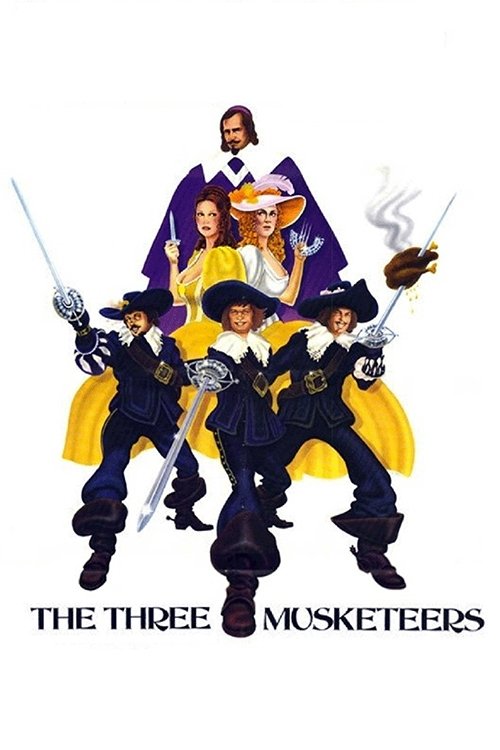
The Three Musketeers
1973
No user ratings available yet
Diversity score: 3.2 out of 10
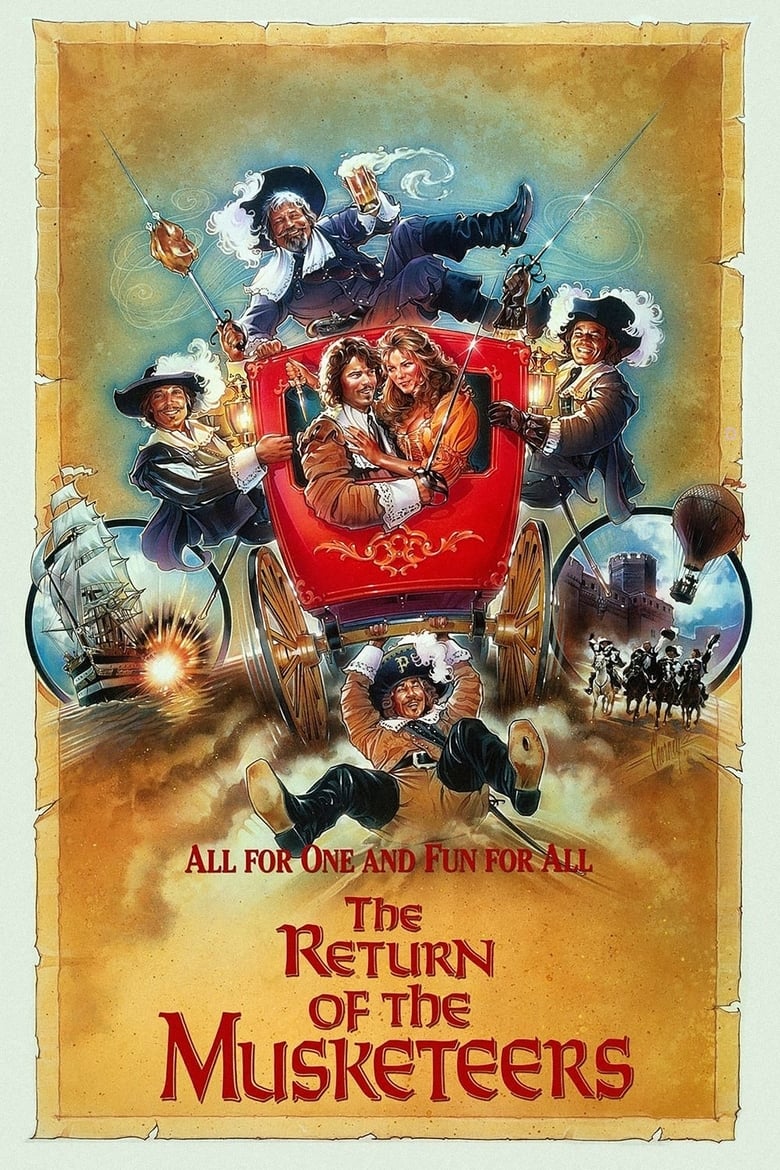
1989
PGDirector
Richard Lester
Runtime
102 minutes
Average Rating
No ratings yetSynopsis
It's 1649: Mazarin hires the impoverished D'Artagnan to find the other musketeers: Cromwell has overthrown the English king, so Mazarin fears revolt, particularly from the popular Beaufort. Porthos, bored with riches and wanting a title, signs on, but Aramis, an abbé, and Athos, a brawler raising an intellectual son, assist Beaufort in secret. When they fail to halt Beaufort's escape from prison, the musketeers are expendable, and Mazarin sends them to London to rescue Charles I. They are also pursued by Justine, the avenging daughter of Milady de Winter, their enemy 20 years ago. They must escape England, avoid Justine, serve the Queen, and secure Beauford's political reforms.
Overall Score
Limited
Category Breakdown
LGBTQ+ Representation
The film lacks any discernible queer subtext or non-cisnormative identities. Interpersonal dynamics focus on traditional romantic pairings and heteronormative courtly intrigue.
Gender Representation
Agency is concentrated heavily among the male protagonists. While Justine acts as a significant agent of vengeance, she operates within personal vendettas rather than subverting patriarchal structures.
Racial & Ethnic Diversity
The cast is overwhelmingly homogeneous, reflecting a Eurocentric view of 17th-century politics. There is no evidence of race-bent casting or diverse ethnic representation.
Religious & Cultural Diversity
The story adheres to a traditional Western historical framework centered on monarchical stability. It follows a standard hero-versus-villain dichotomy without critiquing Western institutions.
Disability Representation
There are no prominent depictions of visible or invisible disabilities. Characters function within the standard physical capabilities required for an action-adventure film.
Strengths
Areas for Improvement
AI Analysis
Richard Lester’s adventure prioritizes historical escapism and classical genre tropes over intersectional representation. The narrative reinforces conventional social hierarchies and maintains a highly homogeneous demographic profile. The film functions as a standard swashbuckler, focusing on the socio-political landscape of French and English nobilities. This focus results in a lack of racial, queer, or diverse cultural perspectives. Ultimately, the work aligns with late-20th-century cinematic conventions, favoring a binary moral compass and traditional gender roles over systemic social critique.
1973
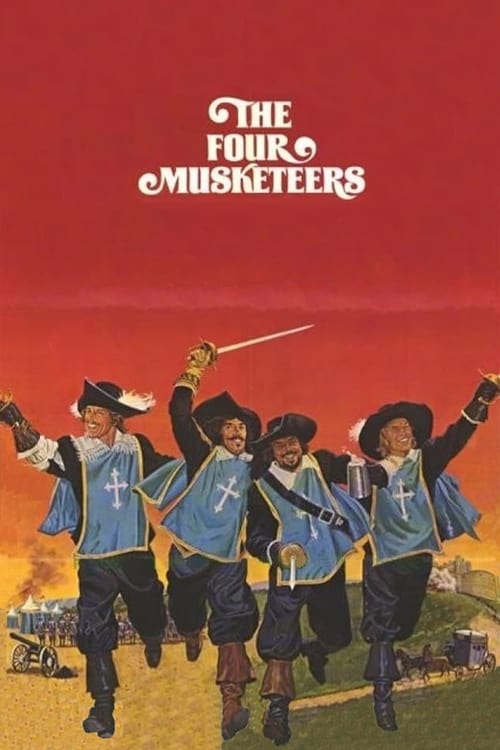
1974
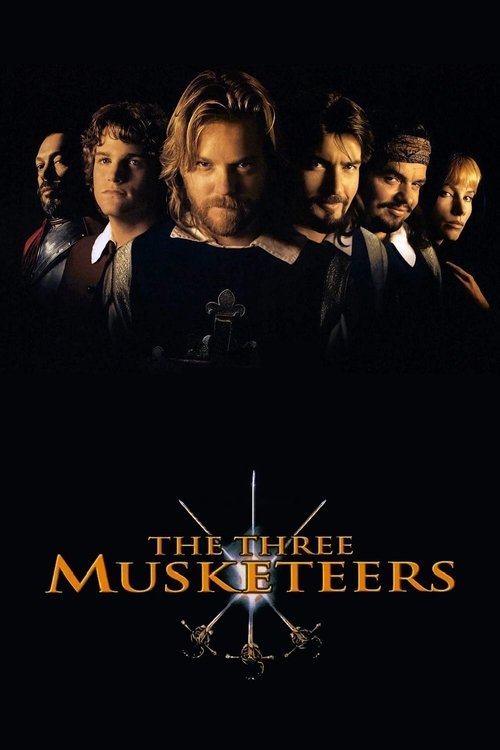
1993

1991
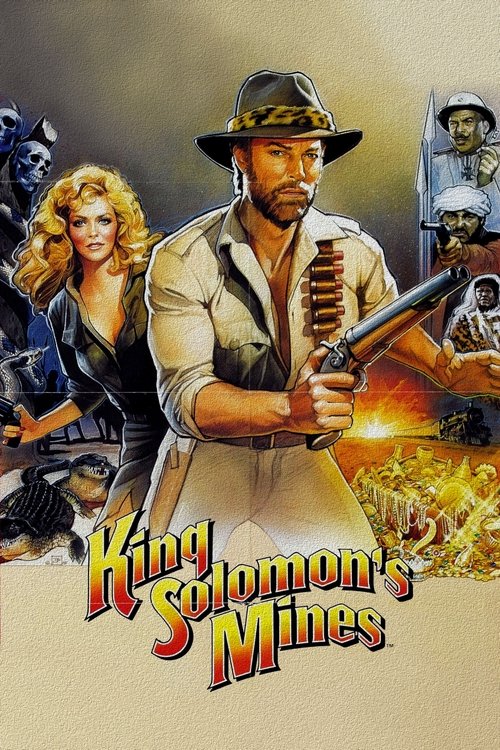
1985
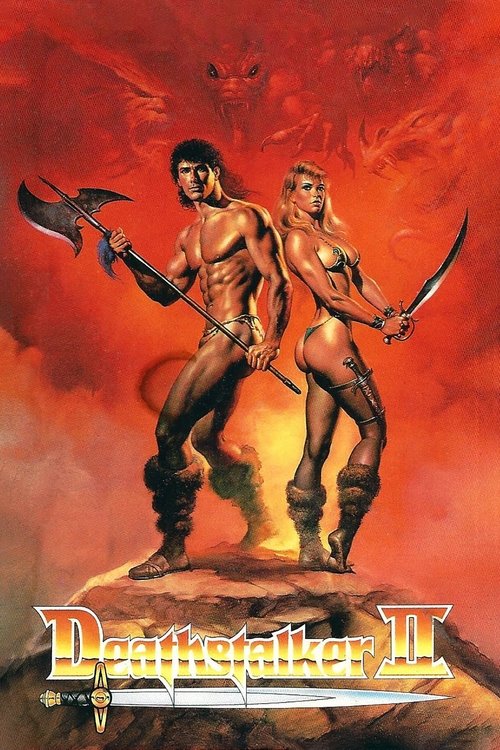
1987
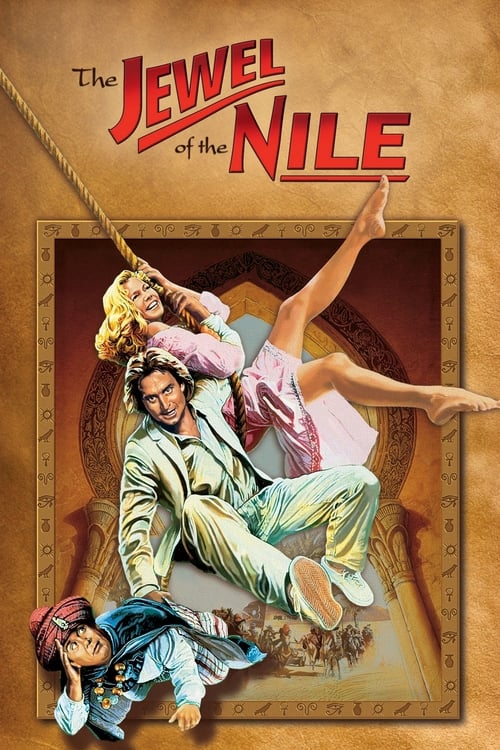
1985

1939
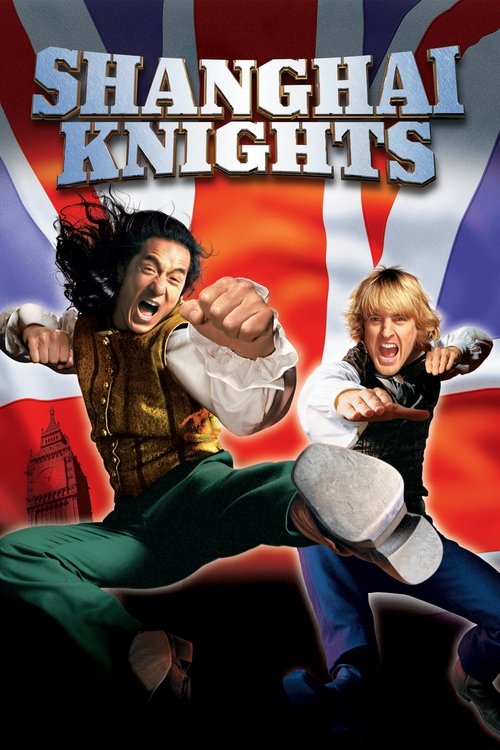
2003
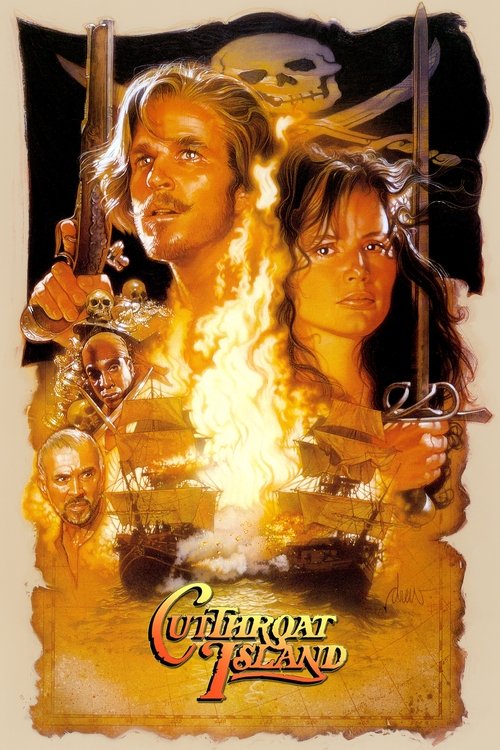
1995
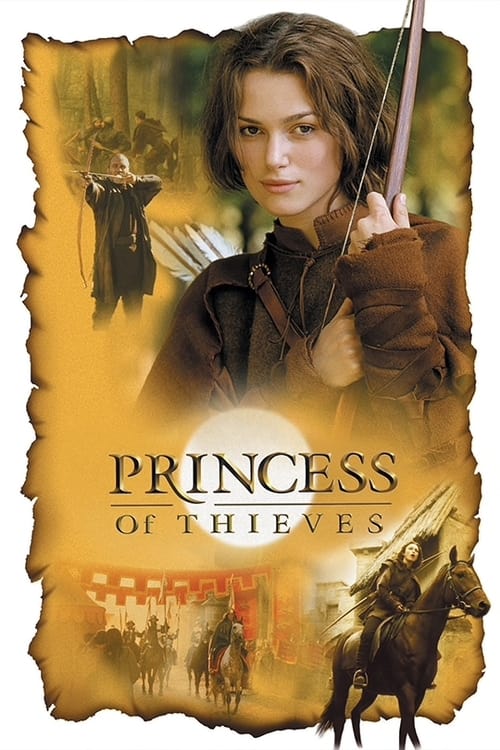
2001
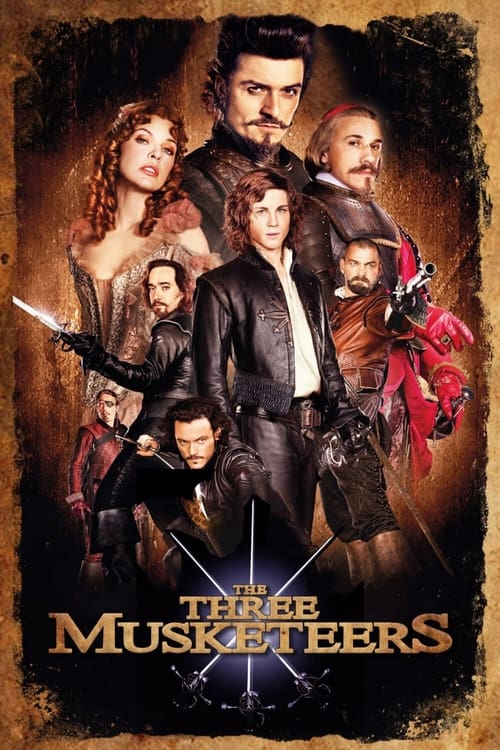
2011
No reviews yet. Be the first to share your thoughts on this movie!
Use the rating form above to leave a star rating and optional review.