
Sleepwalking
2008
No user ratings available yet
Representation score: 2.9 out of 10
Representation Score
Limited
1999
Director
Ed Radtke
Runtime
99 minutes
Average Rating
No ratings yetNew Showbiz Analysis
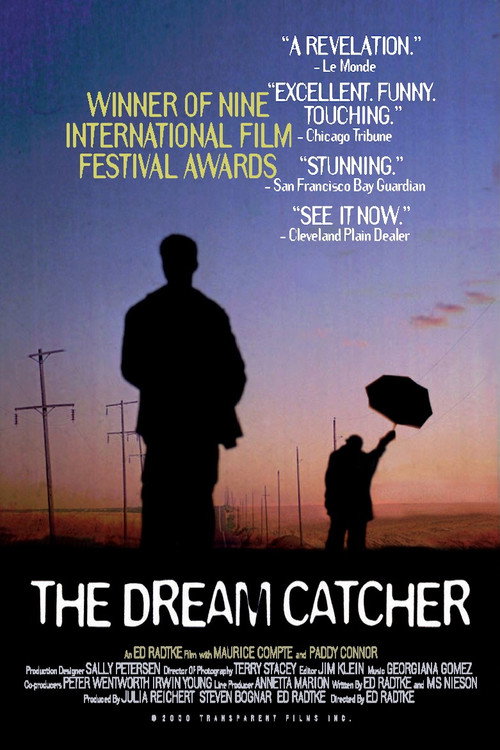
The Dream Catcher follows a conventional dramatic structure typical of late 90s cinema. It centers on a masculine journey of movement and confrontation, prioritizing individual struggle over diverse representation. While the film touches on themes of poverty and homelessness, the characters often fall into traditional archetypes. The narrative lacks the disruption of social hierarchies needed for a higher diversity rating. Ultimately, the film functions as a standard road movie. It provides limited representation for underrepresented identities, focusing instead on a fractured, straight-centered family dynamic.
Category Breakdown
The film doesn't explicitly mention LGBTQ+ characters or non-straight relationships. The story follows a traditional path focused on a male protagonist and his pregnant girlfriend.
The narrative focuses heavily on male protagonists. Female characters, such as a nurse and a pregnant girlfriend, mainly act as plot catalysts rather than central drivers.
The inclusion of an Indian reservation church suggests Indigenous settings and potential characters. However, it remains unclear if these figures have significant roles or serve merely as a backdrop.
The film explores systemic economic hardship and the instability of the nuclear family. It follows a standard odyssey structure without disrupting traditional Western values.
There is no evidence of characters with visible or invisible disabilities within the narrative.
Present on Screen
Limited or Absent
Official Synopsis
An abandoned teen jumps a freight train in Philadelphia intent on reaching his uncle in Indiana, whom he believes will help him with financial difficulties including a pregnant girlfriend. In Ohio, he meets another homeless teen, who escorts him to his uncle. Finding his uncle equally broke, the duo head on to Oklahoma City to try to find the first teen's long-gone ex-con father. A confrontation between father and son send the duo on into exploits in the west including getting beaten up, busting into an Indian reservation church, and hitch-hiking with a beautiful nurse.
2008

2010

1982

1988

2019

2012

2000

2014
No reviews yet. Be the first to share your thoughts on this movie!
Use the rating form above to leave a star rating and optional review.