Doctor and the Healer
1957
No user ratings available yet
Diversity score: 3.1 out of 10
1977
Director
Aleksandr Sery
Average Rating
No ratings yetSynopsis
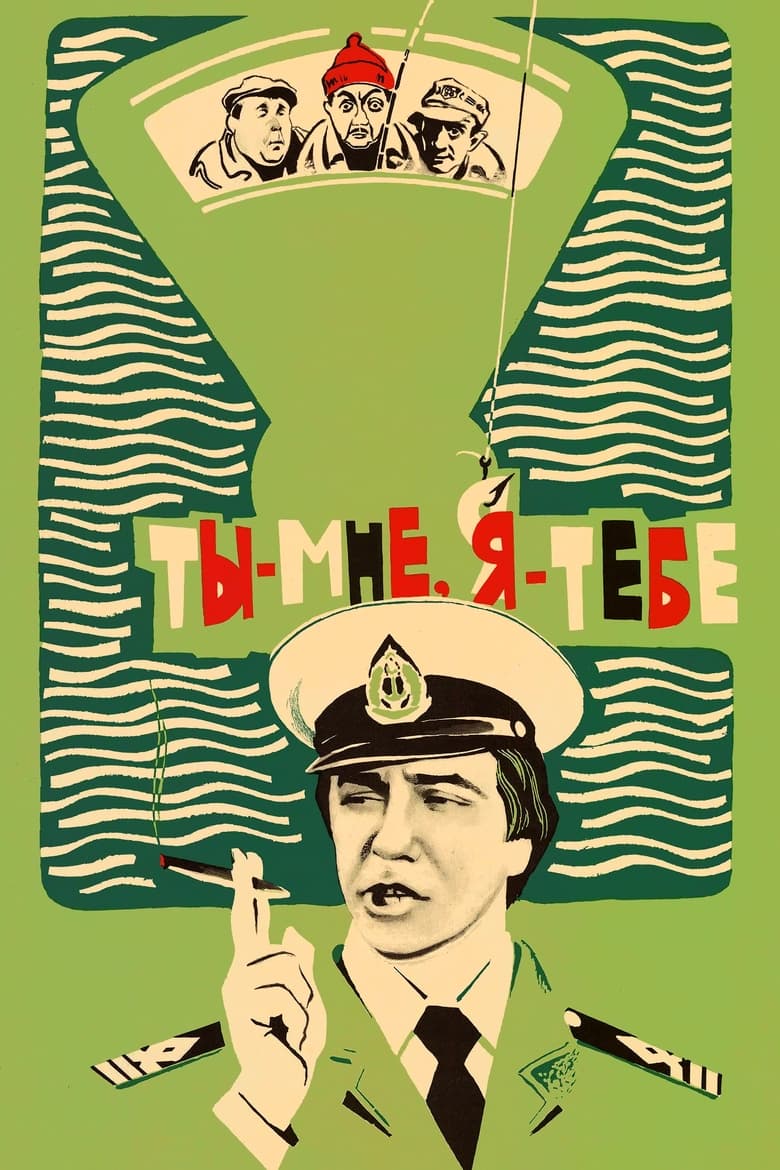
Ivan Sergeevich Kashkin — the bath attendant of the most prestigious metropolitan bath. It’s not easy to get to him: reputable diplomats, well-known footballers, and the heads of the ministry are seeking the honor to steam. But Kashkin himself does not need to achieve anything, everything is at his service — from black caviar to tickets to the conservatory. And the hero’s cloudless life would have flowed, but then his twin brother Sergei fell ill and asked Ivan to replace him in his equally strange work.
Overall Score
Limited
Category Breakdown
LGBTQ+ Representation
The film focuses on traditional romantic and interpersonal dynamics. There is no evidence of queer narratives or non-cisnormative identities within this 1977 Soviet production.
Gender Representation
The plot centers on masculine agency through the twin brothers. While the film explores emotional vulnerability, it lacks high-agency female characters to drive the narrative.
Racial & Ethnic Diversity
Casting reflects the demographic homogeneity typical of the Soviet film industry in the late 1970s. The story presents a localized social milieu without intersectional racial dynamics.
Religious & Cultural Diversity
The comedy explores social stratification within a socialist framework. It highlights the prestige of diplomats and ministry heads through the protagonist's access to luxury goods.
Disability Representation
An illness serves as a functional plot device to trigger the twin-swap trope. The portrayal lacks nuanced agency, treating the condition primarily as a narrative catalyst.
Strengths
Areas for Improvement
AI Analysis
This 1977 comedy functions as a character study of identity and social performance rather than a vehicle for systemic representation. It adheres strictly to the traditional narrative structures and social hierarchies of its era. The film's focus remains on the professional and social maneuvers of its male protagonists. While it offers a look at the stratification of access within the Soviet system, it does not attempt to subvert established cultural norms. Ultimately, the work lacks the intentional intersectional architecture found in more progressive cinema, resulting in a score that reflects its period-specific social context.
1957
2011
1965
1967

1985
1969

2016

2005
1958

1985

2008
1978
No reviews yet. Be the first to share your thoughts on this movie!
Use the rating form above to leave a star rating and optional review.