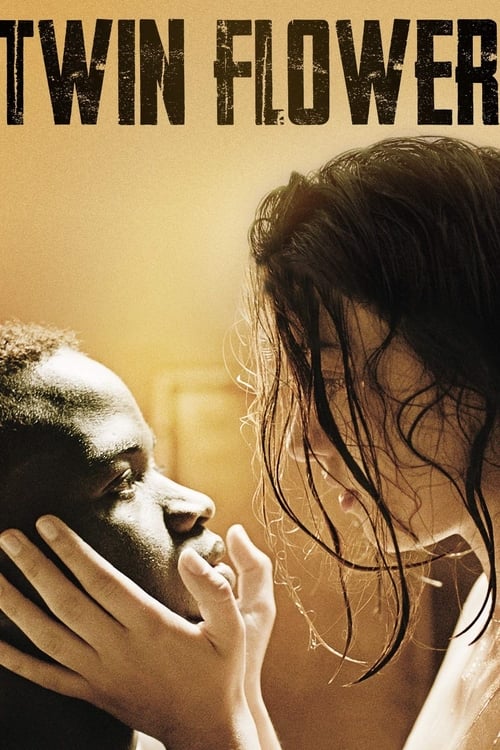
Twin Flower
2018
No user ratings available yet
Representation score: 8.3 out of 10
Representation Score
Good
2013
Director
Alessandro Rossetto
Runtime
110 minutes
Average Rating
No ratings yetNew Showbiz Analysis
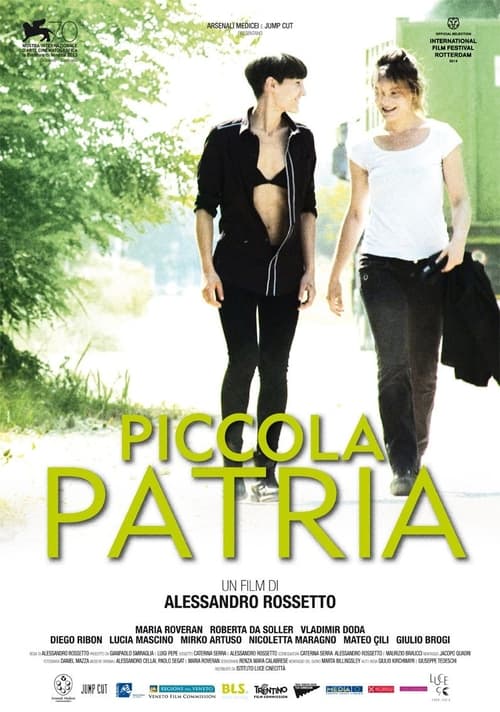
Small Homeland is a raw exploration of social conflicts and identity within a confined space. It stands out by intertwining the themes of female empowerment and the migrant experience, breaking away from conventional domestic dramas. The film skillfully uses the tension between local customs and newcomers to propel its narrative. By highlighting characters who actively resist or defy their surroundings, it avoids idealized portrayals of small-town life. While the film excels in depicting ethnic and gender dynamics, it falls short in providing information about disability representation. Overall, it offers a nuanced view of how displacement and personal desires intersect in small towns.
Category Breakdown
The film explores a deep emotional and physical connection between the two female leads, suggesting a complex, possibly non-straight relationship. Renata's actions using Luisa’s body for revenge hint at a non-traditional form of intimacy.
Women in the film are portrayed as active agents who challenge the status quo. Luisa’s bold and unconventional behavior contrasts sharply with the restrictive environment she lives in.
The story highlights the tensions arising from migration through Bilal, an Albanian character. His presence underscores the conflict between new immigrant communities and established residents.
The film critiques the rigid social order of a provincial town by depicting it as a suffocating and judgmental environment that fails to offer guidance.
There is no discernible evidence regarding the portrayal of physical or neurodivergent disabilities within the narrative.
Present on Screen
Limited or Absent
Official Synopsis
Two young girls, a hot, stifling summer, the desire to run away from a small provincial town. Luisa is full of life, uninhibited, unconventional. Renata is dark, angry and in need of love. The lives of two young women is a tale of blackmail, of a love betrayed, of violence: Luisa uses her Albanian boyfriend, Bilal; Renata uses Luisa’s body to orchestrate her revenge. Both want to leave the small community where they have grown up among village festivals and independence gatherings, helpless families and new generations of migrants targeted by those who feel increasingly threatened. Luisa, Renata and Bilal will risk loosing themselves, loosing a precious part of themselves, of those they love, ultimately loosing their own lives.
2018
2021
2013
2017
2009
2004

2019

2013
No reviews yet. Be the first to share your thoughts on this movie!
Use the rating form above to leave a star rating and optional review.