Our Father
2002
No user ratings available yet
Diversity score: 6.9 out of 10
2021
Director
Mahamat-Saleh Haroun
Runtime
88 minutes
Average Rating
No ratings yetSynopsis
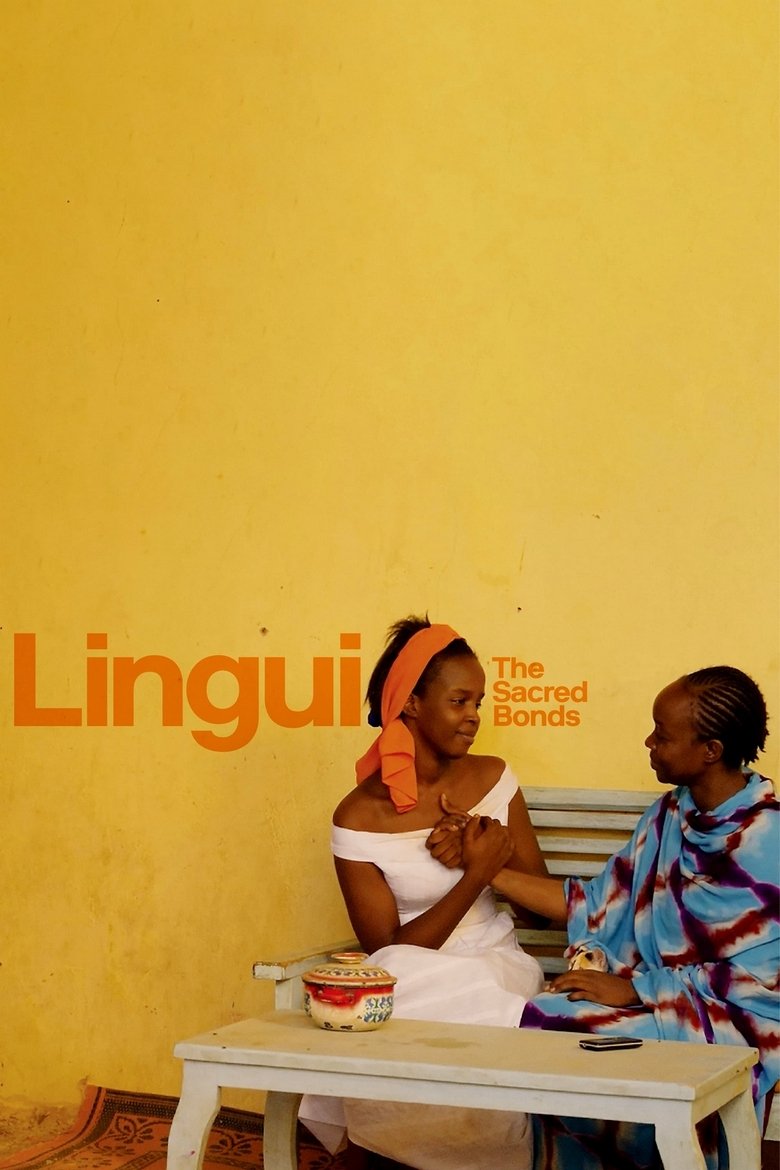
On the outskirts of the capital of Chad, determined single mother Amina works tirelessly to provide for herself and her 15-year old daughter Maria. When Amina discovers Maria is pregnant and does not want a child, the two women begin to seek out an abortion, condemned by both religion and law. In the process, mother and daughter forge a connection stronger than any they’ve ever known.
Overall Score
Good
Category Breakdown
LGBTQ+ Representation
The film focuses on maternal bonds and reproductive autonomy rather than queer identities. It does not explicitly center LGBTQ+ characters or critique heteronormativity through a queer lens.
Gender Representation
Amina and Maria act as protagonists who drive their own destinies despite legal and religious prohibitions. The film disrupts expectations of female submissiveness by prioritizing their agency and survival.
Racial & Ethnic Diversity
The film offers an exceptional depiction of Chadian identity through a local cast and setting. It avoids Westernized tropes by grounding the experience in the specificities of N'Djamena.
Religious & Cultural Diversity
The narrative critiques the restrictive influence of religious and legal institutions on individual autonomy. It frames the sacred bonds of family as more vital than institutional dogma.
Disability Representation
There are no prominent depictions of physical or neurodivergent disabilities that serve as central narrative drivers in this work.
Strengths
Areas for Improvement
AI Analysis
Mahamat-Saleh Haroun delivers a sophisticated work of post-colonial cinema that centers on the intersectional struggles of Chadian women. The film succeeds by refusing to conform to Western narrative expectations, instead prioritizing localized, authentic Sahelian perspectives. The strength of the film lies in its challenge to traditional hierarchies. By framing maternal solidarity and individual agency as moral imperatives, it subverts patriarchal and religious authority. While the film lacks LGBTQ+ representation and disability narratives, its deep engagement with Chadian identity and female agency provides a powerful counter-narrative to homogeneous global depictions of African life.
2002
2023
2021
2017
2021
2006
2020
2021
2025
2019
2001

2019
No reviews yet. Be the first to share your thoughts on this movie!
Use the rating form above to leave a star rating and optional review.