Félicité
2017
No user ratings available yet
Diversity score: 7.6 out of 10
2019
Director
Shahrbanoo Sadat
Runtime
90 minutes
Average Rating
No ratings yetSynopsis
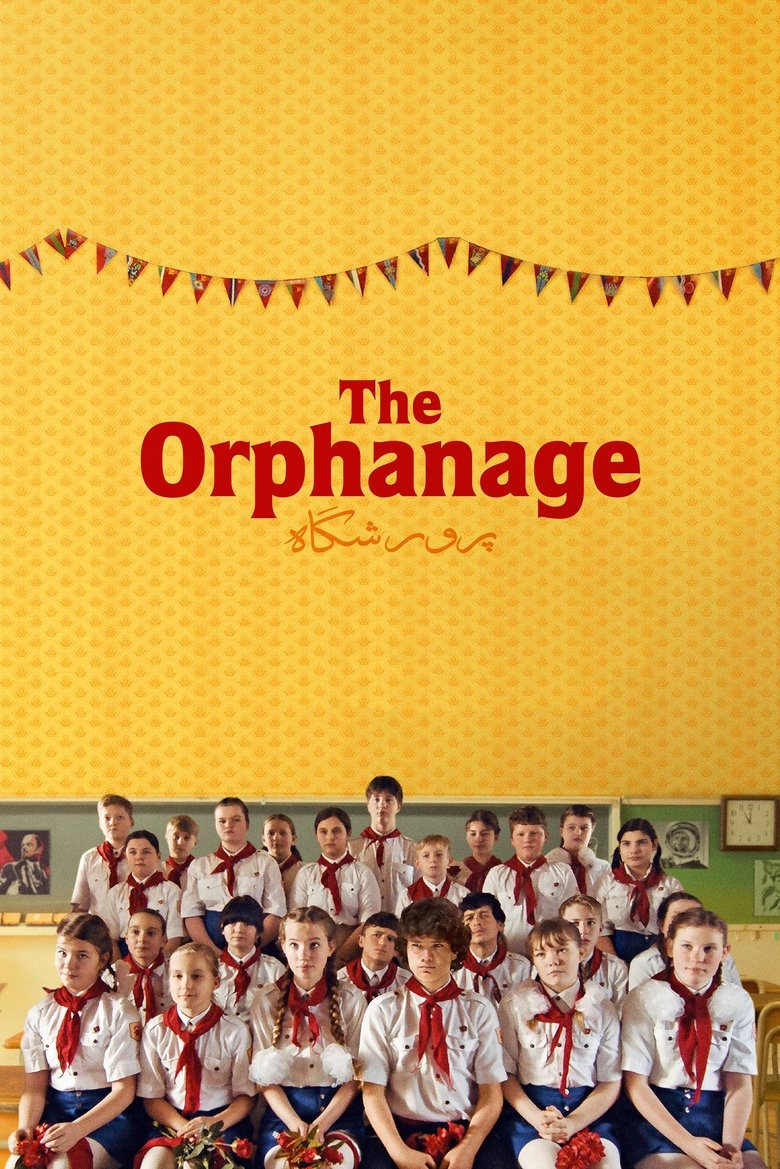
A historic drama with musical Bollywood scenes. Kabul in the early 90s. Soviet values rule the country. Women can wear miniskirts, children can go to school and people can go to the cinema, concerts as well as universities. Life in Afghanistan is similar to life in the Western world. 14 years old Qodrat sells cinema tickets on the black market in the streets of Kabul. After selling a ticket to a secret police officer by mistake, he ends up at the Soviet orphanage, where he fakes his identity at the registration, in hope of getting more power. Everyday life for Qodrat is about friendships, falling in love, doing naughty things and going on adventures – just like it is for children in other parts of the world. However, behind the safe walls of the orphanage the world they once knew is drastically changing as the Mujahideens start the civil war.
Overall Score
Good
Category Breakdown
LGBTQ+ Representation
The film explores adolescent discovery and the universality of falling in love. While specific queer identities are not explicitly detailed, the narrative favors a humanistic portrayal of connection over rigid social tropes.
Gender Representation
The story depicts a period of significant female autonomy in Afghanistan, where women attended universities and wore Western-style clothing. This disrupts monolithic, restrictive tropes often associated with the region.
Racial & Ethnic Diversity
Kabul is portrayed as a cosmopolitan hub, moving away from Western-centric or Orientalist perspectives. The film provides deep immersion into Afghan culture through its specific social structures and rhythms.
Religious & Cultural Diversity
The narrative highlights a secular, pluralistic past shaped by Soviet influence and artistic expression. It frames the onset of civil war as a loss of cosmopolitanism and individual liberty.
Disability Representation
The film provides no specific evidence regarding the portrayal of physical or neurodivergent disabilities.
Strengths
Areas for Improvement
AI Analysis
Shahrbanoo Sadat’s film serves as a powerful piece of historical revisionism. By focusing on a period of secularism and relative social freedom in Kabul, it challenges the viewer's preconceived notions of Afghan social structures and gendered restrictions. The narrative succeeds in presenting a cosmopolitan society where cinema, concerts, and Western-style education were part of the cultural fabric. This approach avoids the desolate, purely traditionalist landscapes often seen in Western media, offering instead a nuanced look at local agency. However, the film's exploration of identity remains somewhat broad. While it touches on the universality of adolescent emotion, it lacks explicit detail regarding specific LGBTQ+ identities, leaving that dimension of representation somewhat undefined.
No reviews yet. Be the first to share your thoughts on this movie!
Use the rating form above to leave a star rating and optional review.