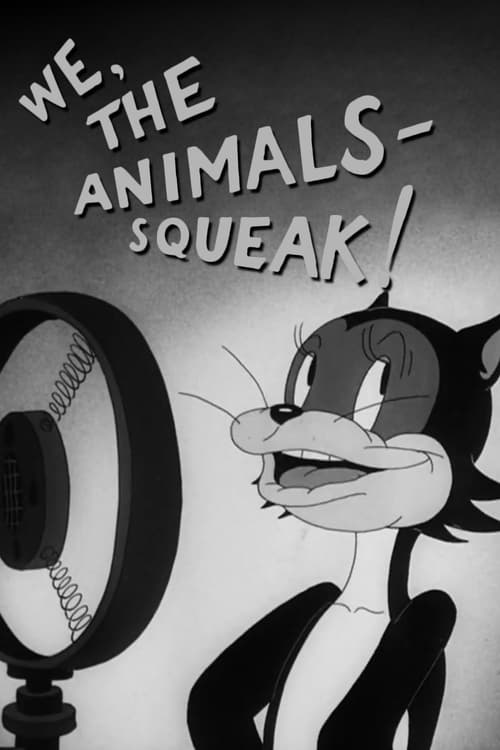
We, the Animals - Squeak!
1941
No user ratings available yet
Diversity score: 2.9 out of 10

1945
Director
Robert Clampett
Runtime
4 minutes
Average Rating
No ratings yetSynopsis
Created for the US Navy in World War II. The Mr. Hook character was created by Hank Ketcham while at Walter Lantz Studios, where the first- and only color- Mr. Hook cartoon was produced. A wartime propaganda film about Japan and war bonds. The loudspeaker grille is in the shape of a peace sign as it shouts at Mr. Hook.
Overall Score
Minimal
Category Breakdown
LGBTQ+ Representation
The film offers no exploration of non-heteronormative identities. Its focus remains strictly on state mobilization and national unity for the war effort.
Gender Representation
The work adheres to 1940s gender hierarchies. There is no evidence of female agency or the subversion of traditional masculine leadership roles.
Racial & Ethnic Diversity
As a wartime propaganda piece, the film utilizes the 'othering' of Japanese people. It relies on racial caricatures to establish an antagonist force.
Religious & Cultural Diversity
The narrative promotes Western institutionalism and patriotism. It frames state-driven capitalism and war bonds as essential moral imperatives for the nation.
Disability Representation
There is no indication of characters with disabilities being afforded agency. No such representation is present within the film's structure.
Strengths
Areas for Improvement
AI Analysis
Tokyo Woes is a 1945 wartime propaganda short commissioned by the US Navy. It functions as a tool for domestic mobilization, specifically encouraging the purchase of war bonds through a lens of moral binaries. The film reinforces existing social hierarchies and nationalistic fervor rather than challenging them. It utilizes racialized imagery to create a clear distinction between the domestic in-group and the foreign out-group. Ultimately, the animation prioritizes state cohesion and traditional social structures over any form of intersectional representation or nuanced character study.
1941
1943
1943
1942
1941
1948
1942
1942
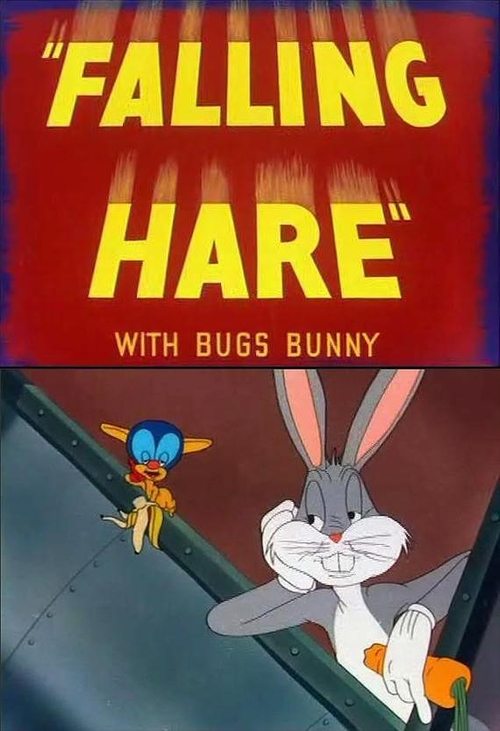
1943
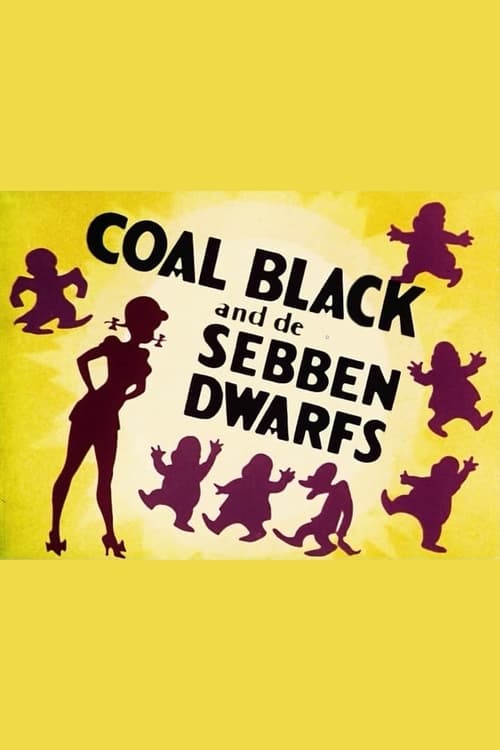
1943
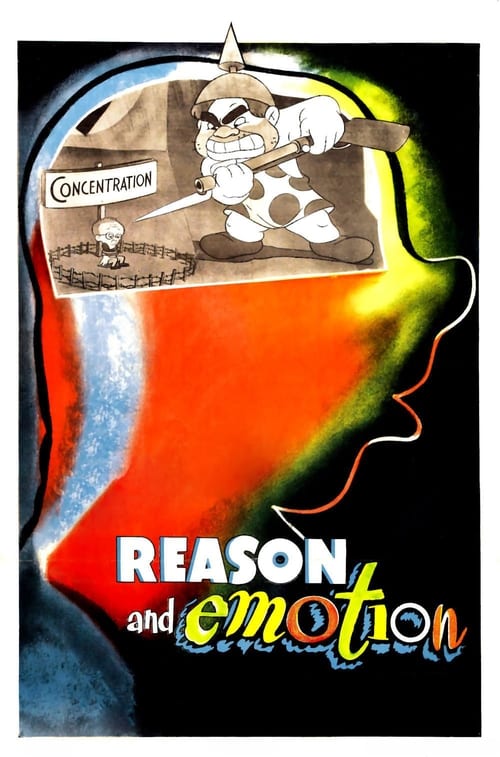
1943
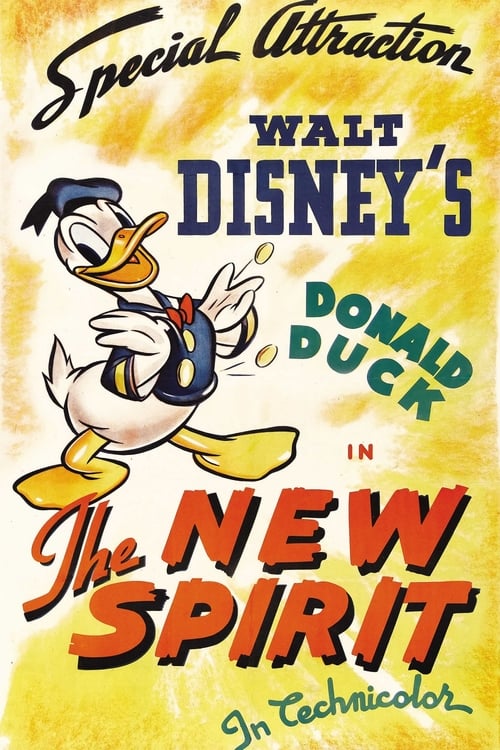
1942
No reviews yet. Be the first to share your thoughts on this movie!
Use the rating form above to leave a star rating and optional review.