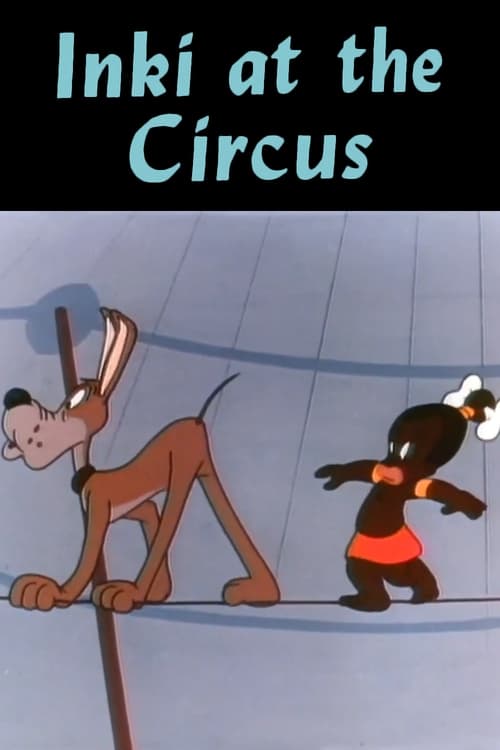
Inki at the Circus
1947
No user ratings available yet
Diversity score: 1.1 out of 10

1942
ApprovedDirector
Chuck Jones
Runtime
7 minutes
Average Rating
No ratings yetSynopsis
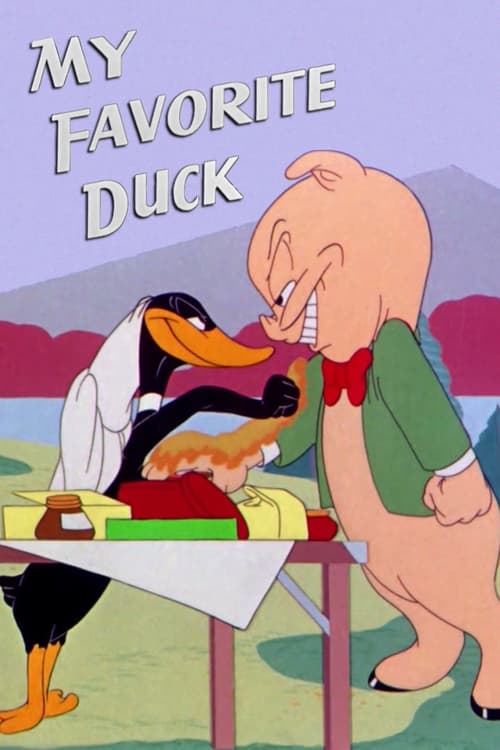
Conrad, a sailor aboard a Navy battleship, is swabbing the deck when he is interrupted and tormented by Daffy Duck.
Overall Score
Minimal
Category Breakdown
LGBTQ+ Representation
The film focuses on a singular interaction between a sailor and a duck. There is no evidence of non-heteronormative identities or same-sex intimacy.
Gender Representation
The narrative features a male protagonist performing traditional labor. It adheres to masculine-centric workforce archetypes without subverting gendered roles.
Racial & Ethnic Diversity
Set during World War II, the film follows standard, non-intersectional casting practices of the era. It lacks specific details regarding a diverse cast.
Religious & Cultural Diversity
The Navy battleship setting represents Western institutional authority. The story prioritizes slapstick humor over critiques of Western institutions or traditionalism.
Disability Representation
There is no evidence of characters navigating physical or neurodivergent disabilities. The conflict is a standard comedic trope of annoyance.
Strengths
Areas for Improvement
AI Analysis
Chuck Jones delivers a classic mid-century animated short that relies on the slapstick friction between a human sailor and Daffy Duck. The narrative is built around individual comedic conflict rather than any exploration of identity or social hierarchies. As a product of 1942, the film reflects the demographic and institutional norms of its time. It functions as a traditional character study of annoyance, prioritizing comedic timing over intersectional representation. The work remains firmly rooted in the era's standard casting and cultural archetypes, offering little in the way of social deconstruction or diverse perspectives.
1947

1943
1945
1944
1943
1945
1942
1942
1939
1942
1941
1942
No reviews yet. Be the first to share your thoughts on this movie!
Use the rating form above to leave a star rating and optional review.