Who's Who in the Zoo
1942
No user ratings available yet
Diversity score: 2.0 out of 10
1943
Director
Norm McCabe
Runtime
7 minutes
Average Rating
No ratings yetSynopsis
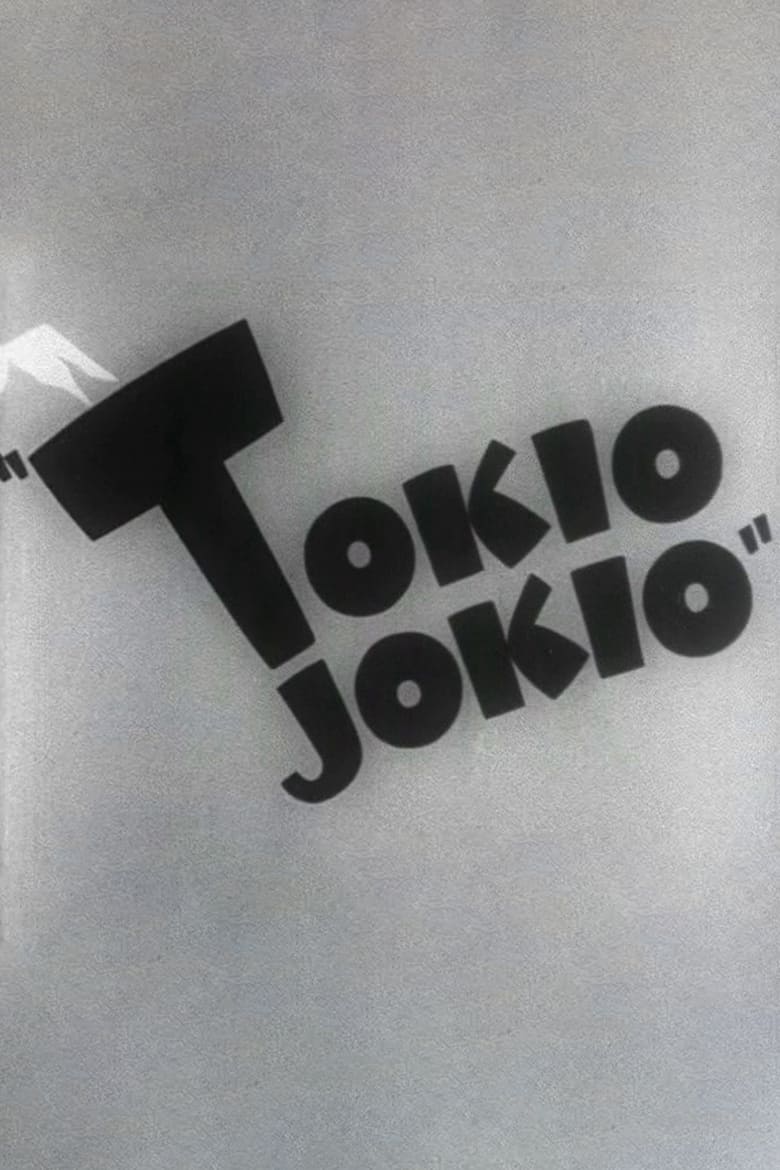
A "captured" Japanese newsreel. Civilian defense shows an aircraft spotter painting spots on aircraft and a fire prevention HQ that already burned down. Kitchen Hints shows the construction of a sandwich from bread and meat ration cards. Poisonalities in the News shows Yamamoto walking on stilts and boasting of plans for the White House, contrasted with the room reserved for him: an electric chair. A submarine, launched 3 weeks ahead of schedule, is still being built. A plane's new landing gear is a little man on a tricycle. A minesweeper uses a giant broom.
Overall Score
Minimal
Category Breakdown
LGBTQ+ Representation
The film contains no discernible representation of LGBTQ+ identities. It focuses strictly on wartime propaganda and does not engage with sexual identity.
Gender Representation
The film adheres to traditional mid-century gender hierarchies. It prioritizes masculine archetypes of combat and engineering without subverting established social roles.
Racial & Ethnic Diversity
Japanese figures are portrayed through exaggerated and reductive racial caricatures. This use of ethnic stereotypes reinforces existing racial hierarchies of the 1940s.
Religious & Cultural Diversity
The narrative promotes a singular, nationalistic morality centered on Western defense. It frames opposing cultures as sources of absurdity to reinforce geopolitical dominance.
Disability Representation
Physical absurdity, such as a man on a tricycle, serves as a metaphor for technical incompetence. There is no meaningful representation of disability.
Strengths
Areas for Improvement
AI Analysis
Tokio Jokio functions as a satirical wartime propaganda piece designed to undermine the Japanese military through ridicule. It utilizes a series of absurd vignettes to mock enemy infrastructure and leadership. The film relies heavily on reductive ethnic caricatures and nationalistic dichotomies. Rather than providing character depth, it uses the 'captured newsreel' format to frame the opposing culture as an object of mockery. Ultimately, the work reinforces the rigid social and racial hierarchies of the 1940s. It offers no engagement with intersectional identities or diverse perspectives.
1942
1945

1942
1941
1943
1948
1942
1936
1942
1944
1942
1945
No reviews yet. Be the first to share your thoughts on this movie!
Use the rating form above to leave a star rating and optional review.