
A Wedding
2017
No user ratings available yet
Representation score: 6.0 out of 10
Representation Score
Fair
2012
PGDirector
Rama Burshtein
Runtime
90 minutes
Average Rating
No ratings yetNew Showbiz Analysis
Fill the Void provides a nuanced look at the Haredi community in Jerusalem. By centering the female perspective and emotional labor within a patriarchal society, it successfully passes the Bechdel test through intricate character interactions. Despite its lack of LGBTQ+ and ethnic diversity, the film offers an authentic, non-Westernized view of a specific religious minority. It prioritizes cultural specificity over a universalized perspective, emphasizing the internal lives of women over broader identity politics.
Category Breakdown
The film adheres to a strictly heterosexual and cisgender religious framework. There is no depiction of non-cisgender identities or same-sex relationships.
The narrative focuses on the female perspective, giving ability to act to women such as Shira and her relatives, who navigate the tension between communal duty and personal freedom.
The cast is ethnically uniform, offering a specific portrayal of a religious minority. The film avoids a Westernized perspective by highlighting the unique cultural aspects of Jerusalem.
The film examines the conflict between personal desires and communal obligations. It portrays religious institutions as both stabilizing and psychologically constraining.
There are no prominent depictions of physical or cognitive differences that play central roles in the plot.
Present on Screen
Limited or Absent
Official Synopsis
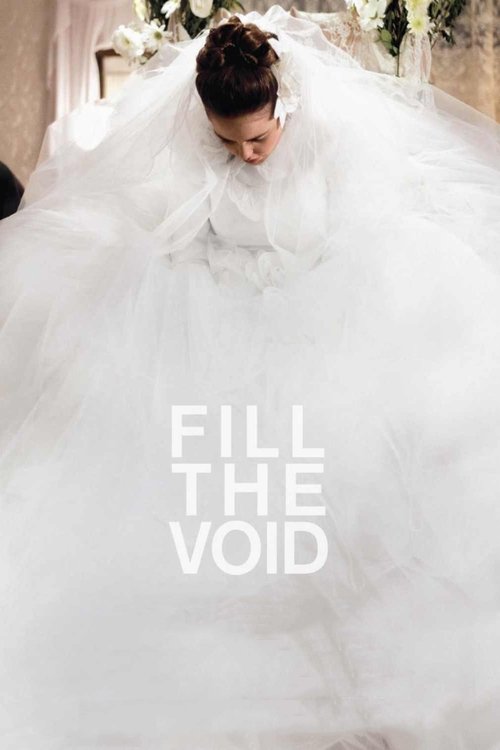
Eighteen-year-old Shira is the youngest daughter of the Mendelman family. She is about to be married off to a promising young man of the same age and background. It is a dream come true, and Shira feels prepared and excited. On Purim, her twenty-eight-year-old sister, Esther, dies while giving birth to her first child, Mordechay. The pain and grief that overwhelm the family postpone Shira's promised match. Everything changes when a match is proposed to Yochay-Esther's late husband-to a widow from Belgium. Yochay feels it's too early, although he realizes that sooner or later he must seriously consider getting married again. When the girls' mother finds out that Yochay may marry the widow and move to Belgium with her only grandchild, she proposes a match between Shira and the widower. Shira will have to choose between her heart's wish and her family duty. She will find out that the void which she must choose exists only within her heart.
2017
1949
2016

1983
2001
2008
1999

2005
No reviews yet. Be the first to share your thoughts on this movie!
Use the rating form above to leave a star rating and optional review.