Disobedience
2018
No user ratings available yet
Representation score: 7.1 out of 10
Representation Score
Good
2008
PG-13Director
Shamim Sarif
Runtime
82 minutes
Average Rating
No ratings yetNew Showbiz Analysis
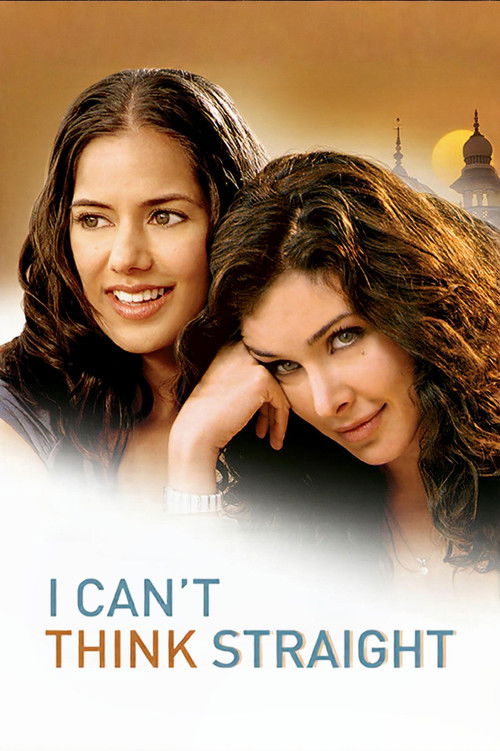
I Can't Think Straight succeeds by placing diverse identities at the heart of its drama. By weaving together queer identity with the nuances of the Middle Eastern and South Asian diasporas, the film moves beyond simple clichés to offer a sophisticated look at how culture and sexuality intersect. The narrative effectively deconstructs traditional social hierarchies. It prioritizes the ability to act of its female leads, allowing them to navigate the weight of tradition and religious expectation in pursuit of personal liberation. Ultimately, the film is a study of the individual versus the institution. It challenges Western-centric cinematic norms by presenting a world where identity is shaped by both heritage and personal experience.
Category Breakdown
The film focuses on a same-sex relationship, avoiding superficial representation. It delves into the complexities of coming out within specific cultural contexts. The protagonists' attraction drives the plot.
Women's ability to drive the story is central. The protagonists are defined by their internal struggles rather than their relationships to men. They challenge societal expectations of femininity.
The story features a Palestinian-British protagonist and a British-Indian protagonist. Ethnicity is integral to their identities, creating a rich, non-Anglo-centric tapestry.
The film portrays the tension between individual autonomy and traditional religious institutions. Family and religious dogma are shown as obstacles to self-actualization. The narrative prioritizes personal truth over singular religious morality.
There are no prominent depictions of physical or neurodivergent disabilities in the narrative.
Present on Screen
Limited or Absent
Official Synopsis
Tala, a London-based Palestinian, is preparing for her elaborate Middle Eastern wedding when she meets Leyla, a young British Indian woman who is dating her best friend. Spirited Christian Tala and shy Muslim Leyla could not be more different from each other, but the attraction is immediate and goes deeper than friendship. But Tala is not ready to accept the implications of the choice her heart has made for her and escapes back to Jordan, while Leyla tries to move on with her new-found life, to the shock of her tradition-loving parents. As Tala's wedding day approaches, simmering tensions come to boiling point and the pressure mounts for Tala to be true to herself.
2018

2004
2005

2004

2005

2005

2011
2017
No reviews yet. Be the first to share your thoughts on this movie!
Use the rating form above to leave a star rating and optional review.