
A Wedding
2017
No user ratings available yet
Representation score: 6.0 out of 10
Representation Score
Minimal
2016
Director
Emil Guliyev
Runtime
72 minutes
Average Rating
No ratings yetNew Showbiz Analysis
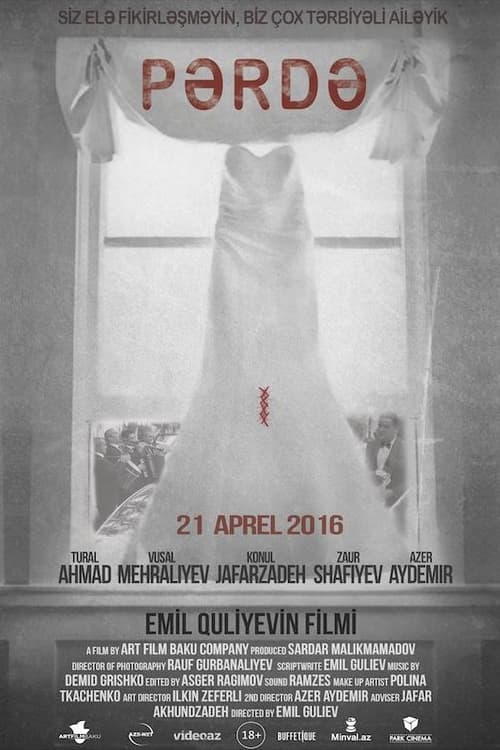
The film centers on a traditional family conflict where a brother must choose between duty and saving his sister from an unwanted marriage. The narrative challenges oppressive customs but relies on male characters to resolve the crisis. Representation is limited to the local cultural context, with no inclusion of diverse identities or disabilities. The story’s focus on patriarchal control highlights gender imbalance, while the absence of LGBTQ+, racial, and disability representation narrows its scope. Despite its cultural specificity, the film’s reliance on male agency and lack of broader representation result in a low overall diversity score.
Category Breakdown
No LGBTQ+ characters or same-sex relationships appear. The narrative revolves around a heterosexual arranged marriage and a straight romance, leaving queer identities entirely absent from the story.
Women are largely passive; Lala is the object of a rescue plot rather than the agent of her own freedom. Men drive the action, with Zaur making the critical choice to save her.
The cast is entirely Azerbaijani, reflecting the film’s specific cultural setting. There is no racial diversity or cross-cultural casting within the narrative.
The film critiques rigid family traditions and forced marriage, framing them as oppressive forces. It questions patriarchal authority while remaining rooted in local cultural conflicts.
No characters with physical or mental disabilities are depicted. Disability does not play a role in the plot or character arcs.
Present on Screen
Limited or Absent
Official Synopsis
The wedding day planned by Lala's father is fast approaching. Emil realizes that time is against him and he must act urgently. At that moment, an opportunity arises: Lala's father is leaving town for a few days to prepare for the wedding. Emil asks her brother Zaur for help in saving Lala from this marriage. Zaur, however, is faced with a difficult choice - his father's will, family traditions and influence in society, or loyalty to his friend and protecting his sister from the same fate.
2017
2016
2017
2017
2012

2015

2015
2017
No reviews yet. Be the first to share your thoughts on this movie!
Use the rating form above to leave a star rating and optional review.