Arthur
1981
No user ratings available yet
Representation score: 1.1 out of 10
Representation Score
Minimal
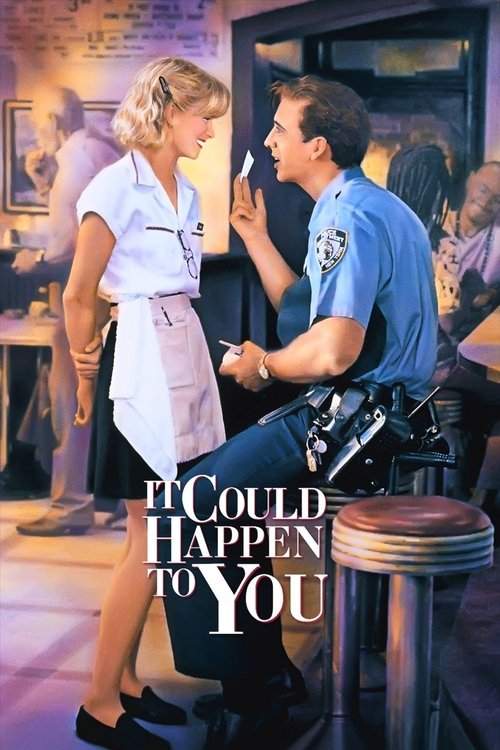
1994
PGDirector
Andrew Bergman
Runtime
101 minutes
Average Rating
No ratings yetNew Showbiz Analysis
The film is a typical genre piece that prioritizes traditional romantic clichés over progressive narrative disruptions. It operates within established social and cultural norms, presenting a traditionalist view of romance and wealth. By focusing on a singular moral compass—the protagonist's integrity versus his wife's greed—the story avoids engaging with the deconstruction of systemic hierarchies. The narrative structure remains centered on a traditionalist, Western-centric perspective. Ultimately, the film lacks depth in reflecting multiple aspects of diversity, resulting in a score that reflects a standard, traditional cinematic structure that does not challenge the status quo.
Category Breakdown
The film operates within a framework that assumes everyone is straight or cisgender. There is no representation of LGBTQ+ identities, and the central plot focuses solely on a romantic relationship between a man and a woman.
The female lead initially takes control of her situation, but the story follows a traditional courtship storyline. Conflict arises from domestic issues, reinforcing conventional gender roles.
The cast is relatively uniform within its New York City setting. The narrative focuses on personal and socioeconomic dynamics without prioritizing diverse racial identities.
The story emphasizes traditional Western values such as individual kindness and honesty. It lacks a critical examination of social class, treating the lottery windfall as a catalyst for romance rather than social change.
There is no representation of physical, sensory, or neurodivergent identities. The main characters and their story arcs do not include individuals with disabilities.
Present on Screen
Limited or Absent
Official Synopsis
Charlie Lang is a simple, kindhearted New York City cop. When he realizes he has no money to tip waitress Yvonne Biasi, Lang offers her half the winnings of his lottery ticket. Amazingly, the ticket happens to be a winner, in the sum of $4 million. True to his word, Lang proceeds to share the prize money with Biasi, which infuriates his greedy wife, Muriel. Not content with the arrangement, Muriel begins scheming to take all the money.
1981

1971
2002
1988

1987

1990
1992
1977
No reviews yet. Be the first to share your thoughts on this movie!
Use the rating form above to leave a star rating and optional review.