
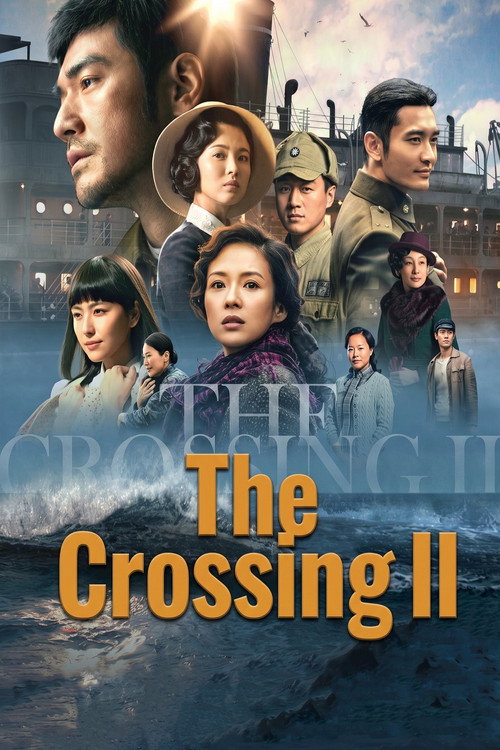
The Crossing I
2014
No user ratings available yet
Representation score: 3.9 out of 10
Representation Score
Limited
2015
Director
John Woo
Runtime
131 minutes
Average Rating
No ratings yetNew Showbiz Analysis
The film serves as a sweeping historical epic centered on the human impact of geopolitical changes in 1940s East Asia. By focusing on the sinking of the Taiping and the lives of three couples, it provides a meaningful regional perspective that avoids Western-centric storytelling. However, the narrative relies heavily on conventional romantic clichés and traditional social structures. The representation remains largely within the bounds of mid-century norms, lacking the layered complexity or systemic challenges found in more progressive modern dramas. Ultimately, while the film succeeds in offering a culturally specific perspective, its adherence to traditional archetypes and historical constraints limits its overall diversity.
Category Breakdown
The film focuses on traditional romantic relationships set in mid-20th century. There are no queer narratives or non-cisgender identities.
The multi-couple structure allows for diverse female perspectives, but their roles may be limited by the social norms of the 1940s. Women play key roles in emotional storylines within traditional frameworks.
The film offers a culturally specific East Asian perspective centered in Taiwan and Shanghai. It avoids a Western-centric viewpoint by focusing on Chinese and Taiwanese history.
The story highlights traditional values like patriotism and family loyalty during political turmoil. It examines historical tragedies through a lens of resilience rather than institutional criticism.
There is no indication of characters with physical or neurodivergent disabilities.
Present on Screen
Limited or Absent
Official Synopsis
A story of three couples and their intertwining love stories set in 1940s Taiwan and Shanghai, centered around the 1949 sinking of Taiping.
2014
2005
1998
2006
2003

2022
2004
2003
No reviews yet. Be the first to share your thoughts on this movie!
Use the rating form above to leave a star rating and optional review.