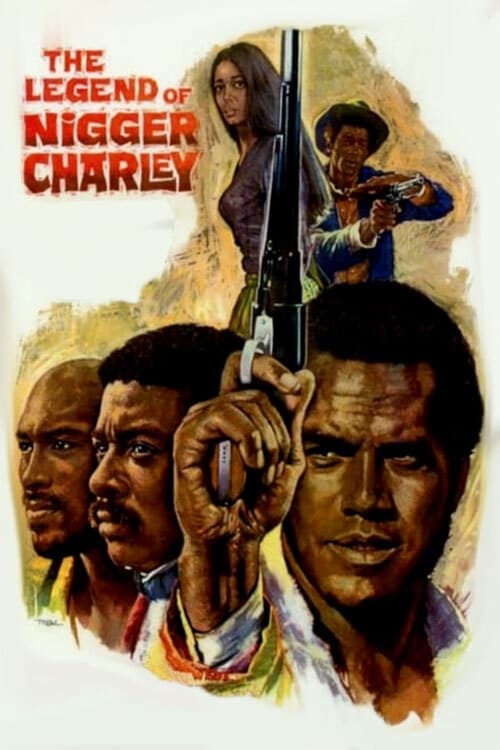
The Legend of Nigger Charley
1972
No user ratings available yet
Representation score: 2.7 out of 10

Representation Score
Fair
1972
PGDirector
Sidney Poitier
Runtime
102 minutes
Average Rating
No ratings yetNew Showbiz Analysis
Buck and the Preacher stands out by placing Black protagonists like Sidney Poitier and James Earl Jones at the center of the Western genre. This move challenges the historical exclusion of Black voices in the American frontier narrative. The film effectively critiques systemic injustice, depicting 1930s legal and social institutions as inherently biased. This focus on dismantling oppressive structures adds a layer of social awareness that elevates the genre. However, the film's narrow focus on male characters limits its scope. It lacks representation for LGBTQ+ identities and female characters with significant influence over the plot.
Category Breakdown
The film does not include any LGBTQ+ characters or explore non-straight relationships. The story focuses solely on racial and economic issues.
The story emphasizes male camaraderie and leadership. Female characters play minor roles and do not significantly influence the plot, reinforcing a male-focused perspective.
The film challenges the typical Western genre by featuring Black protagonists. It highlights the experiences of Black characters facing the injustices of the time.
The narrative criticizes corrupt legal and social systems. The preacher character offers a nuanced look at how religion can support community resilience.
There is no significant depiction of physical or neurodivergent disabilities in the film.
Present on Screen
Limited or Absent
Official Synopsis
A wagon master and a con-man preacher help freed slaves dogged by cheap-labor agents out West.
1972
1968
1971
1975
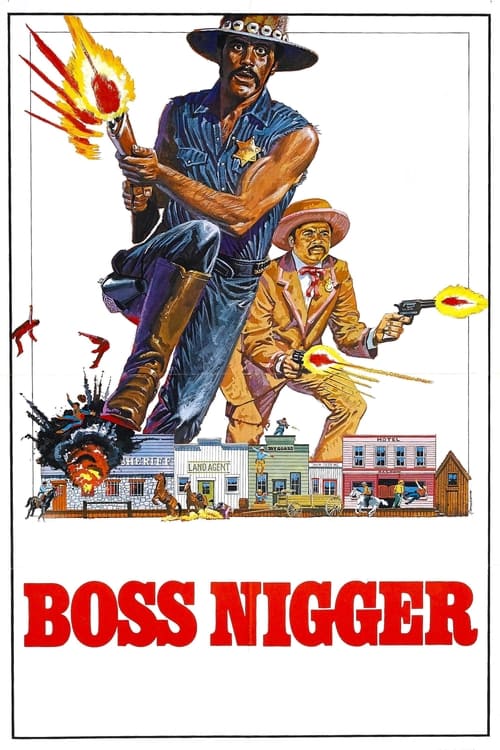
1975
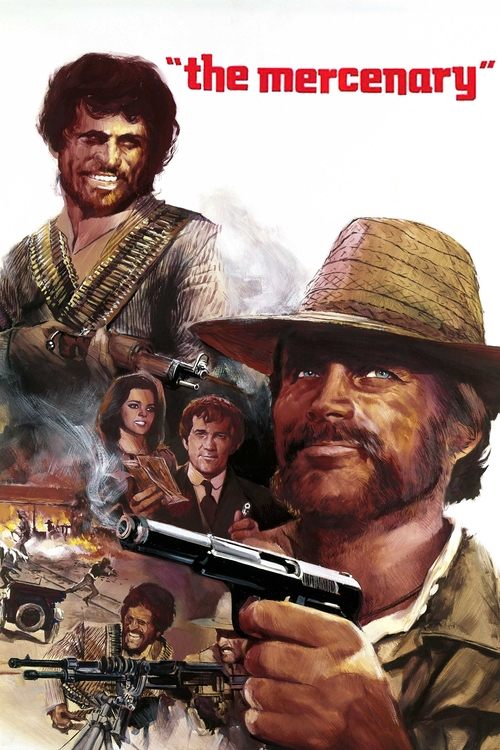
1968
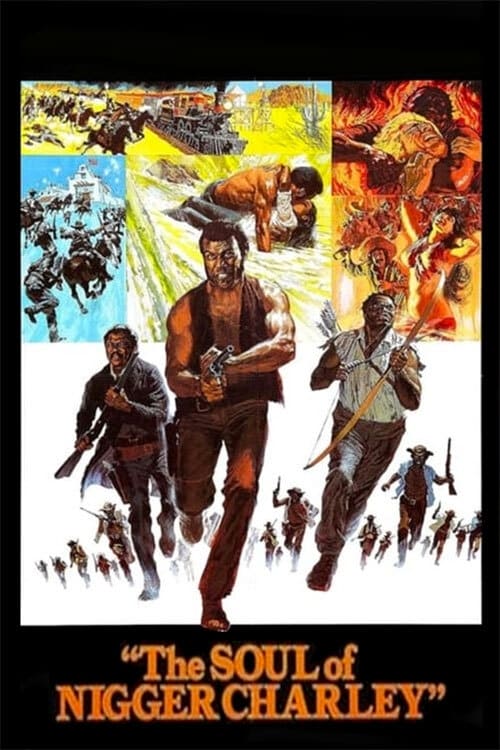
1973
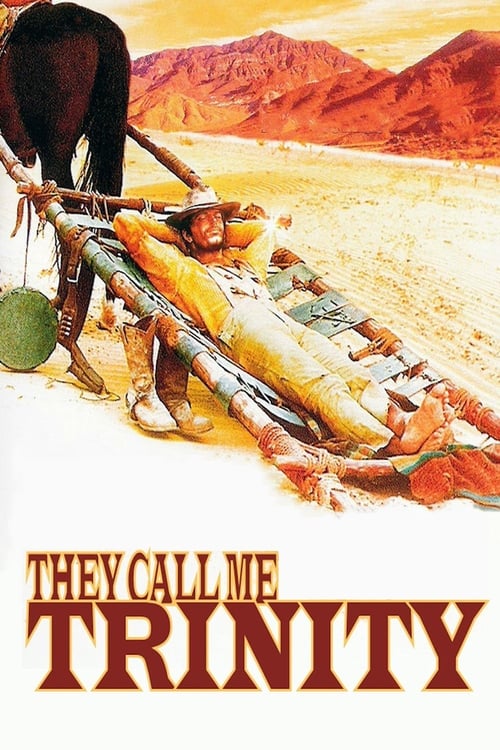
1970
No reviews yet. Be the first to share your thoughts on this movie!
Use the rating form above to leave a star rating and optional review.