
Buck and the Preacher
1972
No user ratings available yet
Representation score: 4.4 out of 10
Representation Score
Limited
1971
PGDirector
Paul Bogart
Runtime
102 minutes
Average Rating
No ratings yetNew Showbiz Analysis
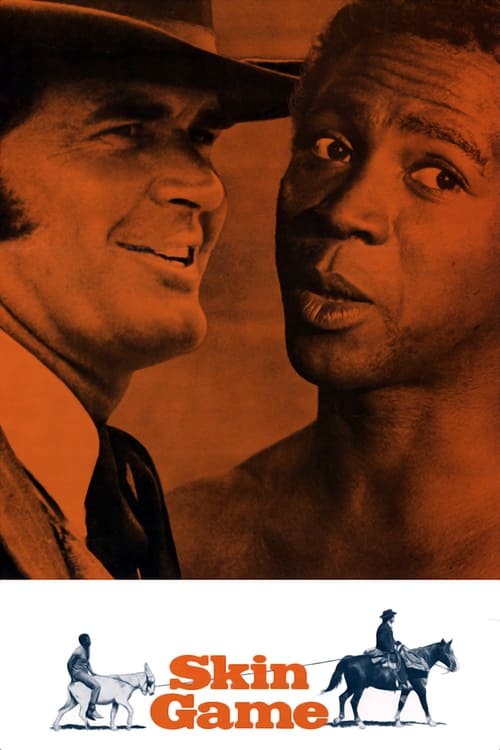
Skin Game sets itself apart from traditional Westerns by focusing on Jason O’Rourke, a Black protagonist, and exploring themes of racial identity and the brutalities of slavery. This provides a platform for a character of color that was often overlooked in the genre. However, the film remains constrained by its emphasis on male-driven conflict and a lack of independent female characters. There is no representation of LGBTQ+ identities, and characters with disabilities are not featured. Overall, while the film effectively challenges the simplistic morality of the Western genre through a cynical, postmodern lens, its narrow focus on male-centric, straight-focused dynamics limits its diversity score.
Category Breakdown
The film does not feature any LGBTQ+ characters or explore non-straight relationships. It adheres to a traditional, straight-focused storyline typical of Western films.
Male characters dominate the story, with female characters playing minor roles that mainly trigger conflicts between men. Women are not shown making independent decisions or driving the plot themselves.
The film stands out by featuring Jason O’Rourke, a Black protagonist, who navigates themes of racial identity and the harsh realities of slavery. It highlights the systemic injustices faced by African Americans through its central plot involving human trafficking.
The narrative avoids simplistic good-versus-evil binaries by presenting a morally ambiguous world where ethical decisions are complex and context-dependent. It uses the Wild West setting to critique human corruption rather than glorifying frontier life.
There are no characters with visible or invisible disabilities that play significant roles in the plot or are given substantial ability to act.
Present on Screen
Limited or Absent
Official Synopsis
Quincy Drew and Jason O’Rourke, a pair of friends and con men—the former white, the latter a Northern-born free Black man— travel from town to town in the pre–Civil War American West. In their scam, Quincy sells Jason into slavery, frees him, and the two move on to the next town of suckers . . . until a con gone wrong leads Jason into real danger.
1972
1968
1970
1968
1972
1961
1970
1979
No reviews yet. Be the first to share your thoughts on this movie!
Use the rating form above to leave a star rating and optional review.