The Night
2021
No user ratings available yet
Representation score: 7.7 out of 10
Representation Score
Good
2015
Director
Tsai Ming-liang
Runtime
137 minutes
Average Rating
No ratings yetNew Showbiz Analysis
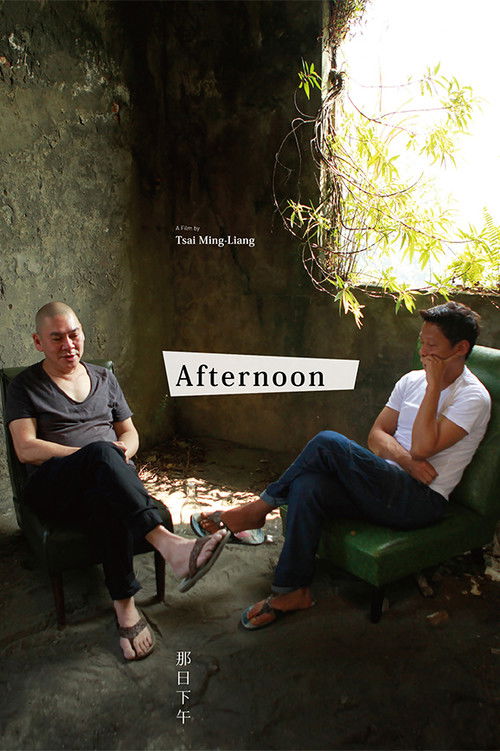
Afternoon is a film that prioritizes atmosphere and reflection over traditional storytelling. It documents the relationship between Tsai Ming-liang and Lee Kang-sheng, emphasizing their collaborative bond. The film's diversity lies in its rejection of Western-centric narratives and its focus on existential reflection and the textures of Taipei. It avoids direct demographic representation or identity politics. While it does not heavily feature LGBTQ+ identities or gender stereotypes, its cultural critique offers a significant contrast to mainstream cinema.
Category Breakdown
The film does not focus specifically on LGBTQ+ stories. Instead, it emphasizes the professional and spiritual bond between the director and actor.
The story mainly revolves around the experiences of two men, focusing on vulnerability and emotional depth rather than traditional masculine roles.
Set in Taiwan, the film offers a unique local perspective that challenges Western-centric storytelling. It presents a meaningful alternative to standardized global aesthetics.
The film critiques modern urban life and capitalism by highlighting feelings of isolation and memory. It rejects conventional Western thinking in favor of a more fluid, postmodern approach.
The film does not prominently depict physical or neurodivergent disabilities. Its focus on solitude touches on psychological themes but does not give specific ability to act to disabled characters.
Present on Screen
Limited or Absent
Official Synopsis
Lush jungle and a building in ruins are the ideal stage for a film-confession that defies storytelling and goes beyond conversation on cinema. Tsai Ming-Liang and his actor Lee Kang-sheng confess and put on stage a pièce in which attention and slowness are in tune with the rhythm of memory. The unveiling of Tsai Ming-liang’s filmmaking: from Stray Dogs to the most intimate notes of the director-actor relationship.
2021
1983

2001
2008
2018

2018
2012
2015
No reviews yet. Be the first to share your thoughts on this movie!
Use the rating form above to leave a star rating and optional review.