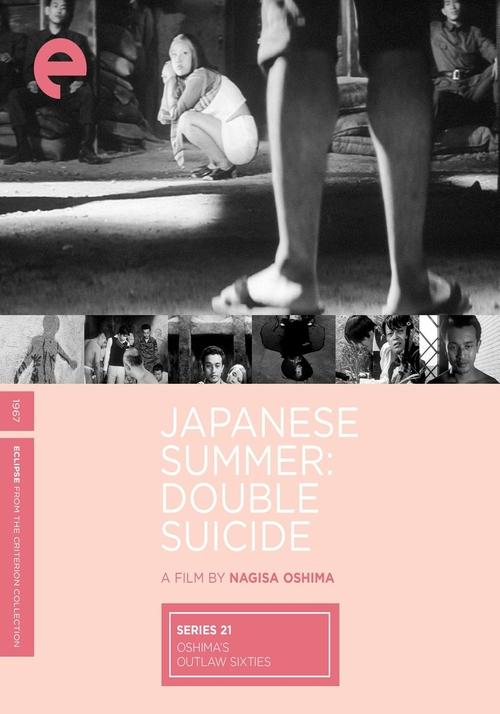
Japanese Summer: Double Suicide
1967
No user ratings available yet
Representation score: 6.8 out of 10

Representation Score
Good
1969
Director
Nagisa Ōshima
Runtime
98 minutes
Average Rating
No ratings yetNew Showbiz Analysis
Nagisa Ōshima’s work is a sophisticated deconstruction of nationalistic and patriarchal institutions. It prioritizes intellectual engagement with systemic power dynamics over traditional storytelling, using the breakdown of the family to critique post-war social structures. The film's strength lies in its cultural critique and its refusal to adhere to rigid moral absolutes. It effectively uses the vacuum of the American occupation to examine the erosion of traditional Japanese identity. However, the film lacks specific representation for LGBTQ+ identities and disability. The narrative focus remains heavily on socioeconomic and psychological survival, leaving little room for diverse physical or identity-based character studies.
Category Breakdown
The film does not include explicit LGBTQ+ identities or non-cisgender gender expressions. While social roles seem fluid in a collapsed society, there are no characters or stories that challenge heteronormativity.
The film disrupts traditional patriarchal structures by focusing on the failure of the father figure. It explores the instability of masculinity and the breakdown of conventional gender roles in a post-war context.
The cast is ethnically uniform, reflecting its Japanese setting. However, the film offers a nuanced look at the tension between Japanese identity and the influence of the American occupation era.
The film excels at critiquing Western and national institutions. It uses moral relativism to challenge traditional heroism and portrays the post-war state as an entity that has failed individuals.
There is no significant evidence of characters with visible or invisible disabilities driving the narrative. Struggles are primarily socioeconomic and psychological rather than focused on physical or neurodivergent traits.
Present on Screen
Limited or Absent
Official Synopsis
A family of four lives off of scams in which they pretend to be injured by automobiles.
1967

1979

2015

1959

1965
1964
1963

1973
No reviews yet. Be the first to share your thoughts on this movie!
Use the rating form above to leave a star rating and optional review.