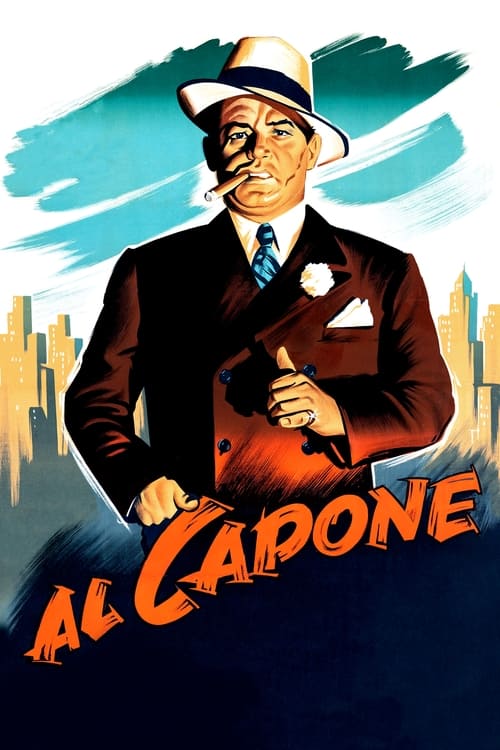
Al Capone
1959
No user ratings available yet
Representation score: 1.5 out of 10
Representation Score
Limited
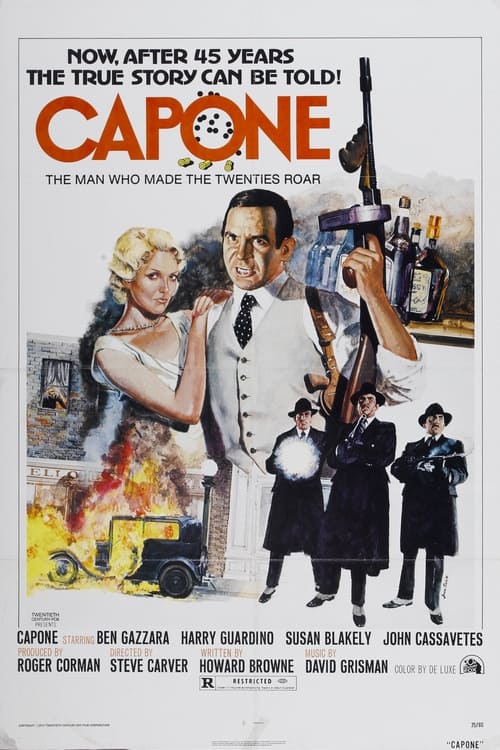
1975
RDirector
Steve Carver
Runtime
101 minutes
Average Rating
No ratings yetNew Showbiz Analysis
Capone (1975) operates as a traditional biographical crime drama that emphasizes historical genre clichés over broad diversity. While it offers a sophisticated critique of institutional corruption, the narrative stays rooted in the social norms of its era. The film excels in providing a detailed look at the Italian-American immigrant experience and criminal underworld. However, this focus on a specific ethnic group comes at the cost of broader multi-ethnic integration or diverse casting. Ultimately, the film upholds traditional hierarchies. Gender roles are strictly conventional, and there is a lack of LGBTQ+ perspectives or meaningful disability representation, limiting its contemporary social relevance.
Category Breakdown
The film follows traditional structures that assume everyone is straight and cisgender. There are no depictions of non-binary gender identities or same-sex relationships.
Women are primarily defined by their relationships to the male protagonist. Characters like Iris Crawford act as moral contrasts within a domestic setting, reinforcing traditional roles of their time.
The story delves into the Italian-American immigrant experience with depth. However, the cast remains predominantly Anglo-Saxon and Italian-American, focusing on their power structures.
The narrative criticizes Western political and legal systems by showing them as inherently corrupt. It presents the American Dream through the lens of organized crime and widespread bribery.
Physical decline, especially the protagonist's struggle with syphilis, serves as a plot device. These elements highlight mortality rather than offering nuanced representation or character development.
Present on Screen
Limited or Absent
Official Synopsis
Young Al Capone catches the eye of Johnny Torrio, a criminal visiting New York from Chicago. Torrio invites Capone to move to Illinois to help run his Prohibition-era alcohol sales operation. Capone rises through the ranks of Torrio's gang and eventually takes over. On top, he works to consolidate his power by eliminating his enemies, fixing elections to his advantage and getting rich. In his spare time, Capone courts the principled Iris Crawford.
1959
1972
1944
1973
1974

1932

1986

2010
No reviews yet. Be the first to share your thoughts on this movie!
Use the rating form above to leave a star rating and optional review.