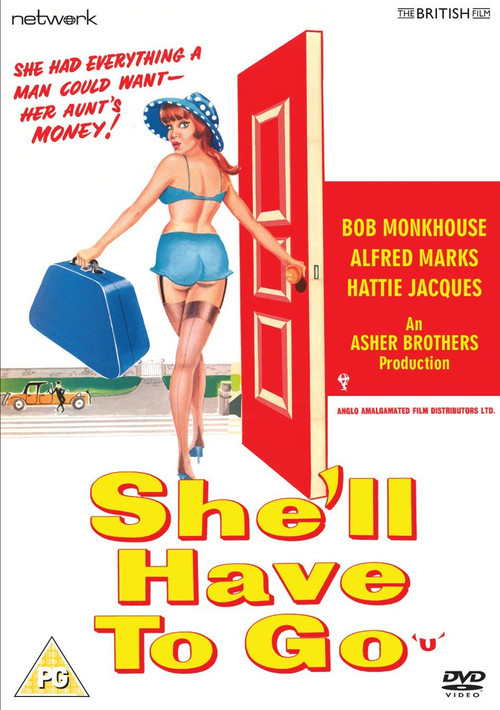
She'll Have to Go
1962
No user ratings available yet
Representation score: 0.5 out of 10
Representation Score
Limited
1946
Director
Nils Poppe
Runtime
97 minutes
Average Rating
No ratings yetNew Showbiz Analysis
Money: A Tragicomic Saga is a product of its era, functioning as a traditional mid-century comedy. The narrative focuses on individual morality and situational irony rather than systemic issues. The film's structure is heavily centered on a homogeneous, male-dominated group. While it challenges traditional notions of strength by portraying the brothers as morally corrupt, it does so through a strictly masculine lens. Ultimately, the work adheres to the demographic and social norms of 1946 Swedish cinema, prioritizing a specific folk-comedy tradition over diverse representation.
Category Breakdown
The film does not explicitly mention LGBTQ themes or identities outside of traditional heterosexual relationships. Its narrative stays within the boundaries of mid-century comedic storytelling.
The plot centers on a male-dominated hierarchy involving a vagabond and seven brothers. It focuses on masculine dynamics of labor and predatory behavior, offering little role for women.
The setting suggests a traditional European folk-comedy structure. The cast appears to reflect the homogeneous demographic typical of mid-century Swedish cinema.
The story functions as a tragicomic morality tale about greed and corruption. It critiques social etiquette but does not explicitly challenge the prevailing social order.
There is no evidence regarding the portrayal of physical or neurodivergent disabilities in the available documentation.
Present on Screen
Limited or Absent
Official Synopsis
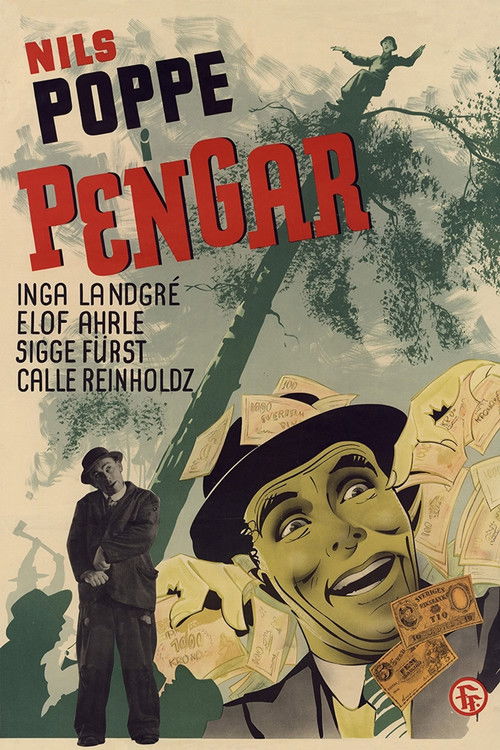
Orvar is a vagabond, walking the country roads and living on sunshine and generosity. One day he decides to find work somewhere to get some money. He becomes a helping hand for seven lumberjack brothers. The big and strong brothers really enjoy themselves, joking with the small and meek Orvar. Orvar does not know that he has inherited a large fortune but the seven brothers do and they begin to treat him with the greatest courtesy. They convince him to write his last will, making them his heirs, and then begin to make plans on how to kill him.
1962
1974
1985
1934

1959

1995
1970
1994
No reviews yet. Be the first to share your thoughts on this movie!
Use the rating form above to leave a star rating and optional review.