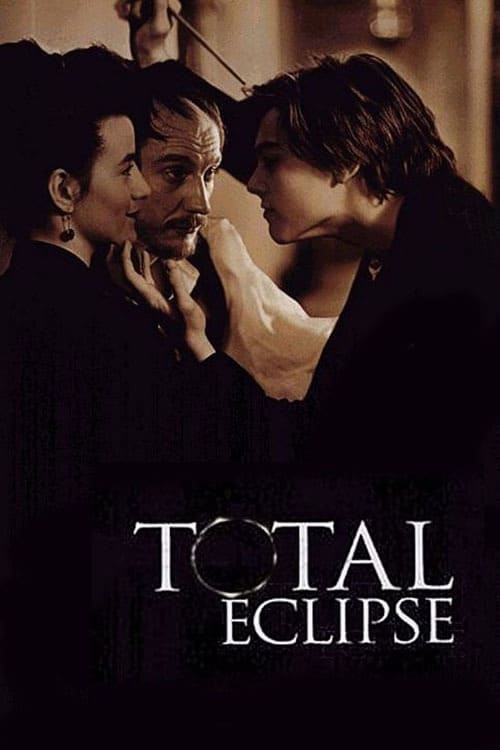
Total Eclipse
1995
No user ratings available yet
Representation score: 4.5 out of 10
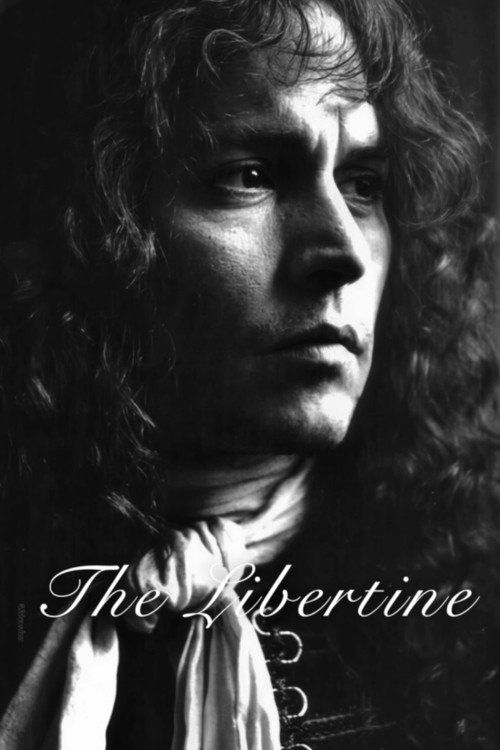
Representation Score
Limited
2004
RDirector
Laurence Dunmore
Runtime
114 minutes
Average Rating
No ratings yetNew Showbiz Analysis
The film operates as a historical naturalism piece that prioritizes the deconstruction of 17th-century morality over demographic inclusivity. It accurately captures the era's social constraints, resulting in a lack of diversity across most traditional categories. While the film scores low on gender, race, and LGBTQ+ representation, it excels in its cultural critique. The protagonist's behavior challenges the validity of the era's oppressive religious and social hierarchies. Ultimately, the work is a study of systemic corruption rather than a diverse ensemble piece, favoring a framework of moral relativism over modern social representation.
Category Breakdown
The film focuses solely on heterosexual conquests among 17th-century aristocrats. There are no representations of queer identities or same-sex intimacy.
Women are mainly shown as objects of desire or tools for political manipulation. Female characters have little control over their own destinies.
The cast is nearly uniform, reflecting the white, Anglo-Saxon dominance of the English aristocracy. No diverse ethnic perspectives are included.
The film effectively critiques traditional religious and social institutions. It portrays these structures as corrupt and performative through the protagonist's actions.
There are no prominent depictions of visible or invisible disabilities that influence character arcs or provide narrative ability to act.
Present on Screen
Limited or Absent
Official Synopsis
The story of John Wilmot, a.k.a. the Earl of Rochester, a 17th century poet who famously drank and debauched his way to an early grave, only to earn posthumous critical acclaim for his life's work.
1995
1986
2013
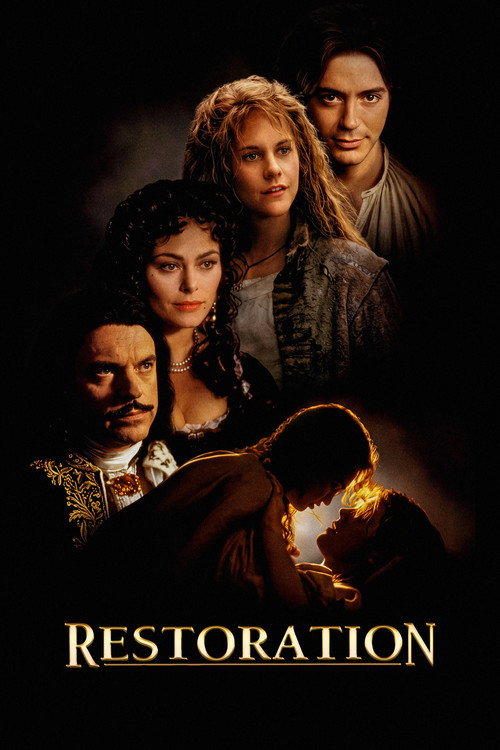
1995
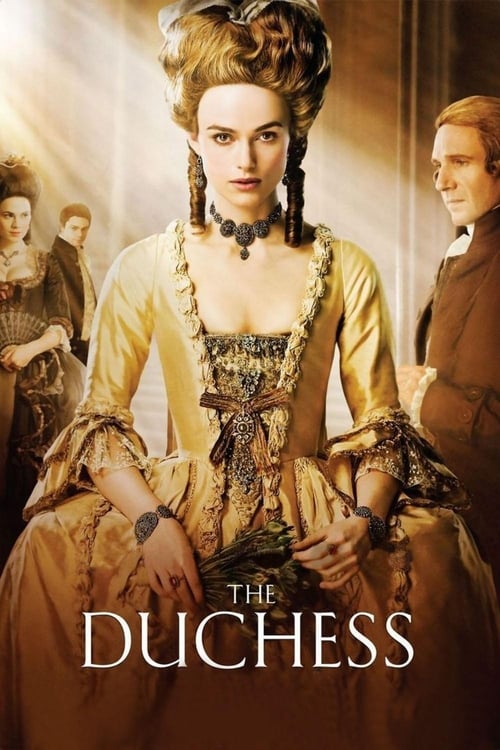
2008
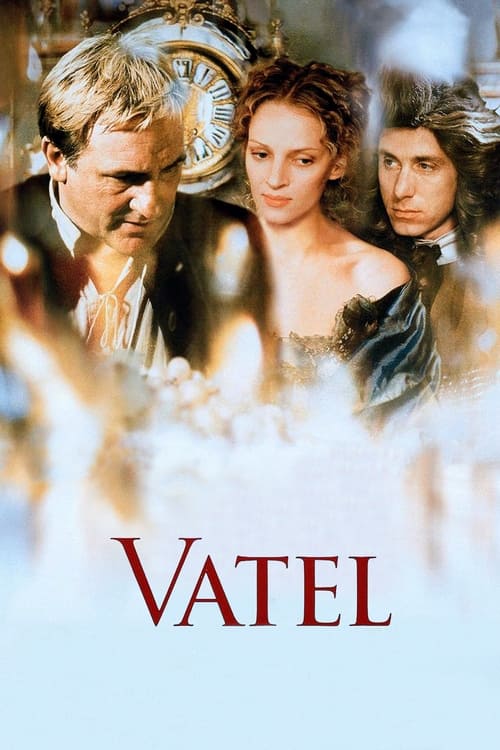
2000
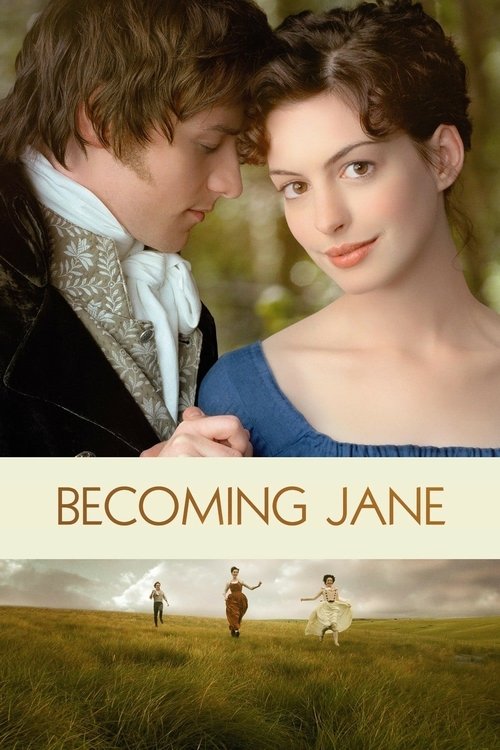
2007
1997
No reviews yet. Be the first to share your thoughts on this movie!
Use the rating form above to leave a star rating and optional review.