The Dreamers
2003
No user ratings available yet
Representation score: 7.6 out of 10
Representation Score
Good
2004
RDirector
Michelangelo Antonioni, Steven Soderbergh, Wong Kar-Wai
Runtime
109 minutes
Average Rating
No ratings yetNew Showbiz Analysis
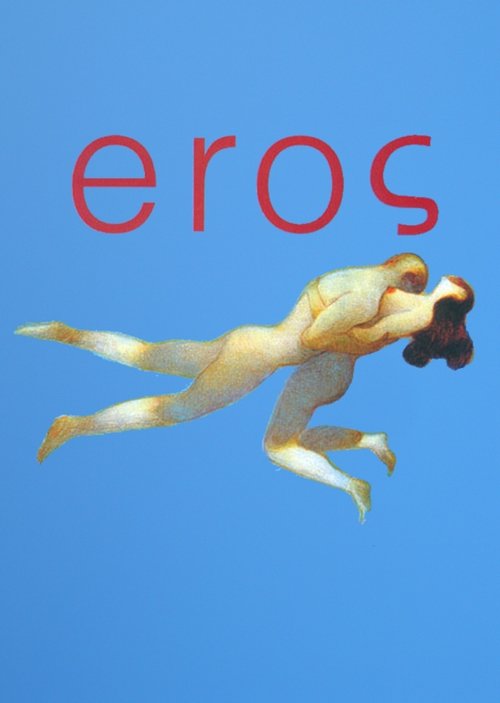
Eros is a sophisticated exploration of human impulse that challenges the rigidity of traditional social and romantic structures. By utilizing a triumvirate of experimental directors, the film intentionally goes beyond familiar patterns and narratives. The anthology succeeds in presenting a nuanced, fragmented view of identity. It avoids moralistic resolutions, opting instead to focus on the psychological interiority of its characters and the complexities of their desires. While the film excels in thematic depth and the deconstruction of social norms, it remains somewhat limited in explicit representation of specific identities, such as queer characters or racial intersectionality.
Category Breakdown
The anthology explores desire through unconventional arrangements like a ménage-à-trois. While it critiques the assumption that everyone is straight or cisgender, it lacks explicit on-screen evidence of queer identities.
The film disrupts hierarchies by centering women's ability to drive the story in both erotic and professional spheres. It also portrays masculinity as a site of psychological fragmentation rather than unshakeable leadership.
A cross-cultural perspective is suggested through the inclusion of Wong Kar-Wai. The diversity focuses more on the blending of distinct cinematic languages than reflecting multiple aspects of identity.
The narrative prioritizes individual impulse over communal or religious morality. It deconstructs traditional institutions by focusing on complex erotic entanglements and subjective psychological truths.
There is no explicit evidence regarding the portrayal of physical or neurodivergent disabilities within the film's segments.
Present on Screen
Limited or Absent
Official Synopsis
A three-part anthology about love and sexuality: a menage-a-trois between a couple and a young woman on the coast of Tuscany; an advertising executive under enormous pressure at work, who, during visits to his psychiatrist, is pulled to delve into the possible reasons why his stress seems to manifest itself in a recurring erotic dream; a story of unrequited love about a beautiful, 1960s high-end call girl in an impossible affair with her young tailor.
2003
1990
2004
1971
2001
2005
2014

2007
No reviews yet. Be the first to share your thoughts on this movie!
Use the rating form above to leave a star rating and optional review.