Jitterbugs
1943
No user ratings available yet
Diversity score: 2.4 out of 10
1943
ApprovedDirector
Malcolm St. Clair
Runtime
63 minutes
Average Rating
No ratings yetSynopsis
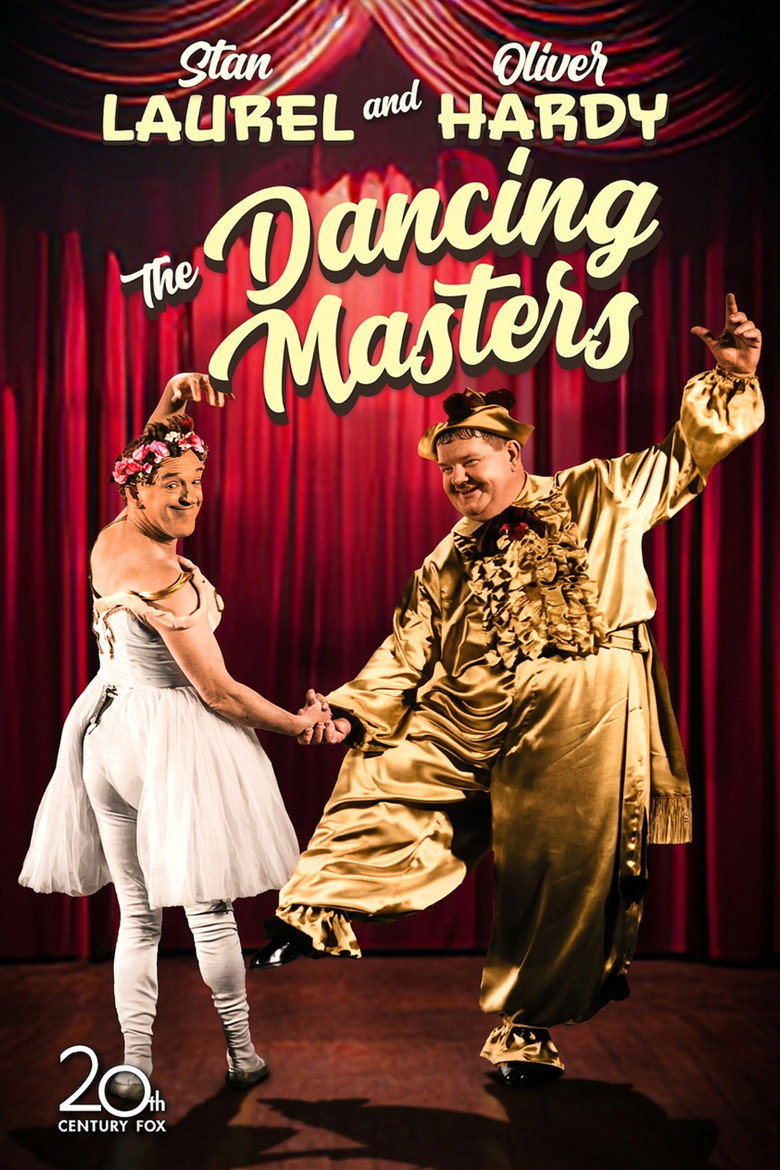
The Dancing Masters is a 1943 Laurel and Hardy feature film. The plot involves the team running a ballet school, and getting involved with an inventor. A young Robert Mitchum has an uncredited cameo role as a fraudulent insurance salesman.
Overall Score
Limited
Category Breakdown
LGBTQ+ Representation
The film lacks any evidence of LGBTQ+ characters or narratives. It operates within the restrictive social and cinematic codes of 1943, which typically precluded non-cisnormative identities.
Gender Representation
The story centers on a ballet school, utilizing traditional gendered tropes of grace. While the protagonists subvert masculine competence through slapstick, it follows conventional mid-century Hollywood dynamics.
Racial & Ethnic Diversity
The production reflects the homogeneous casting standards of the 1940s studio system. There is no indication of a non-white majority cast or race-bent casting.
Religious & Cultural Diversity
The film focuses on whimsical, escapist entertainment rather than interrogating Western hegemony or religion. It reinforces traditional Western values and conventional morality typical of the era.
Disability Representation
Physical comedy is used for spectacle rather than nuanced representation. There is no evidence that the film provides agency to characters with neurodivergence or physical impairments.
Strengths
Areas for Improvement
AI Analysis
The Dancing Masters is a product of the 1940s studio system, prioritizing slapstick and escapism over social critique. Its narrative structure adheres to the era's established social and cinematic hierarchies, offering little disruption of systemic norms. While the film utilizes physical comedy, it does so through traditional tropes rather than meaningful representation of disability or intersectional identities. The casting and themes reflect the homogeneous demographic standards of mid-century Hollywood. Ultimately, the film functions as a standard period comedy. It lacks the intentional narrative architecture required to address diverse identities or challenge the prevailing cultural status quo of its time.
1943
1938
1943

1945
1933
1953
1941
1941
1943
1946
1943
1933
No reviews yet. Be the first to share your thoughts on this movie!
Use the rating form above to leave a star rating and optional review.