The Blitz Kiss
1941
No user ratings available yet
Representation score: 1.1 out of 10
Representation Score
Limited
1941
NRDirector
Monty Banks
Runtime
74 minutes
Average Rating
No ratings yetNew Showbiz Analysis
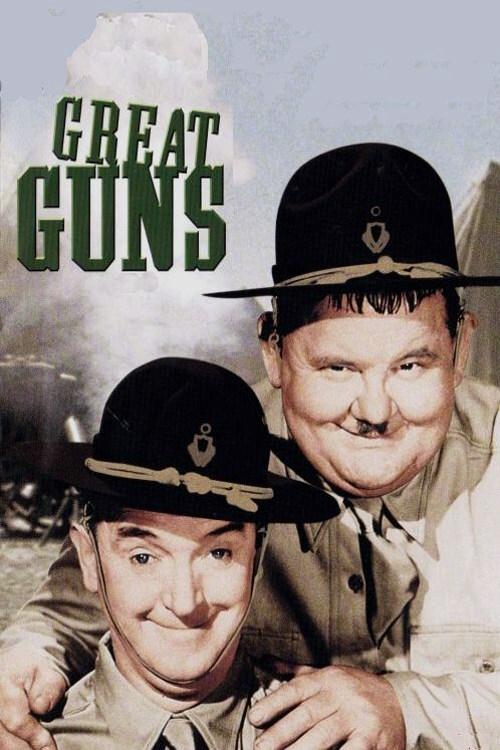
Great Guns is a classic product of its era, prioritizing kinetic slapstick over social commentary. The film serves as a conventional period piece that upholds the status quo of 1941 rather than challenging it. The narrative relies on established character archetypes and institutional loyalty. It lacks multi-layered development, focusing instead on the comedic struggle of Laurel and Hardy to fit into the military. Ultimately, the film's lack of diversity reflects its adherence to mid-century social norms and the standard Hollywood production models of the time.
Category Breakdown
The film does not include any LGBTQ+ characters or narratives. It follows the typical straight-centered structure and comedic clichés common in 1941 slapstick.
Gender roles follow the traditional hierarchies of the early 1940s. The humor centers on the protagonists' incompetence within military structures, reinforcing rather than challenging the conventional male leadership.
The film reflects the demographic homogeneity of mainstream 1940s Hollywood. It features a predominantly white, Anglo-Saxon cast that reinforces the social norms of the period.
The story emphasizes traditional patriotism and institutional loyalty. The comedy comes from the protagonists' struggles to navigate established Western institutions like the army.
Humor is derived from physical slapstick and clumsiness. Characters show physical ineptitude, but there is no evidence of characters with specific disabilities being mocked.
Present on Screen
Limited or Absent
Official Synopsis
Laurel and Hardy join the army. They are hardly soldiers, but they believe their employer, (Dick Nelson) will need them now he's drafted.
1941
1941
1943
1931
1952
1941
1956
1943
No reviews yet. Be the first to share your thoughts on this movie!
Use the rating form above to leave a star rating and optional review.