
The Three Musketeers
2023
No user ratings available yet
Representation score: 2.6 out of 10
Representation Score
Minimal
1952
NRDirector
Lewis Allen
Runtime
81 minutes
Average Rating
No ratings yetNew Showbiz Analysis
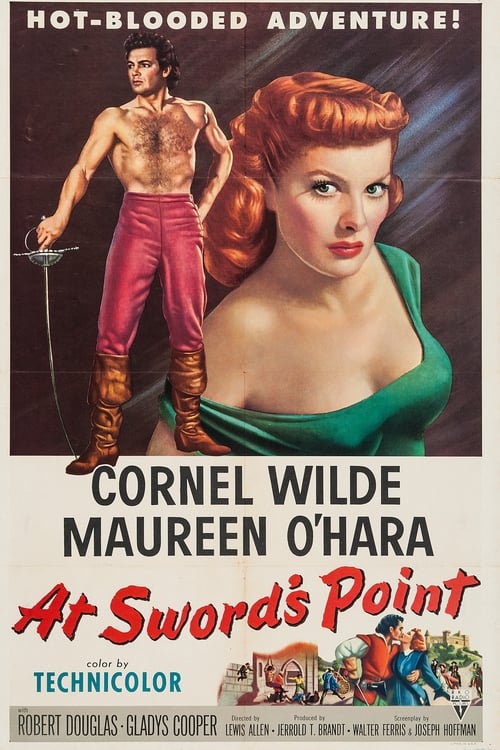
At Sword's Point is a classic 1950s swashbuckler that emphasizes traditional heroism over social critique. While it features a nuanced female character who fights alongside men, the film's core is deeply conservative. The production follows the era's standard of uniform casting and Western-centric storytelling. It reinforces existing social hierarchies and aristocratic values rather than challenging them. Ultimately, the film adheres to established mid-century narrative archetypes, offering limited representation for underrepresented groups.
Category Breakdown
The film does not explicitly include LGBTQ+ identities or explore non-straight relationships. Claire pretends to be a boy for strategic reasons, but this doesn't delve into queer identity.
Claire challenges traditional gender roles through her fighting skills and active role in the story. However, the plot centers around male characters and themes of honor and family lineage.
The casting is uniform, reflecting 1952 Hollywood standards. The story focuses solely on European nobility without any indication of racial diversity or varied cultural perspectives.
The narrative upholds Western institutional values, emphasizing monarchy and social order. Themes of honor and duty are presented through a classical, aristocratic viewpoint.
There are no characters with visible or invisible disabilities. The film does not address themes of neurodivergence or physical impairments.
Present on Screen
Limited or Absent
Official Synopsis
France, 1648: Richelieu and Louis XIII are dead, the new king is a minor, and the Duc de Lavalle is in virtually open rebellion, scheming to seize power. As a last resort, Queen Anne summons the heirs of the original Musketeers to her aid...including Claire, daughter of Athos, who when she chooses can miraculously pass as a boy, and wields as fine a sword as any. All their skills will be needed for a battle against increasing odds. One for all and all for one! Written by Rod Crawford
2023
1997

1994
1974
2005
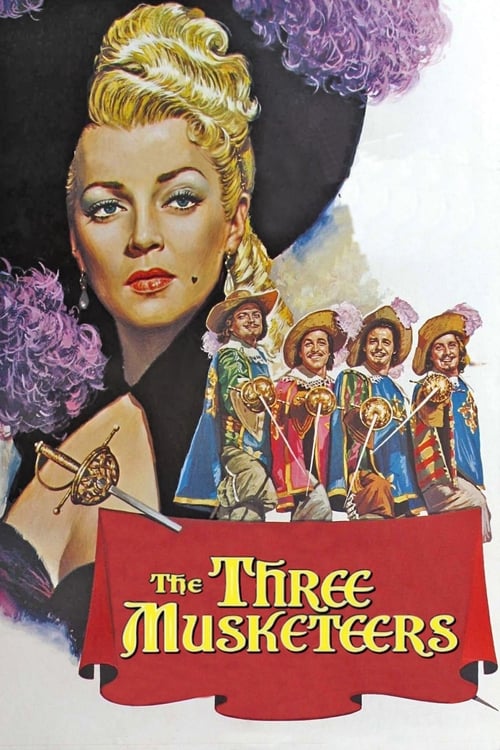
1948
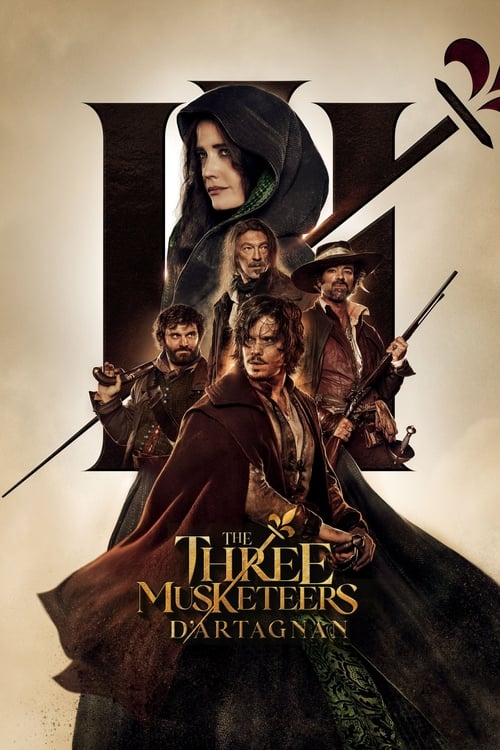
2023

1964
No reviews yet. Be the first to share your thoughts on this movie!
Use the rating form above to leave a star rating and optional review.