Adormidera
2013
No user ratings available yet
Representation score: 3.9 out of 10
Representation Score
Limited
2005
RDirector
Simon Aeby
Runtime
115 minutes
Average Rating
No ratings yetNew Showbiz Analysis
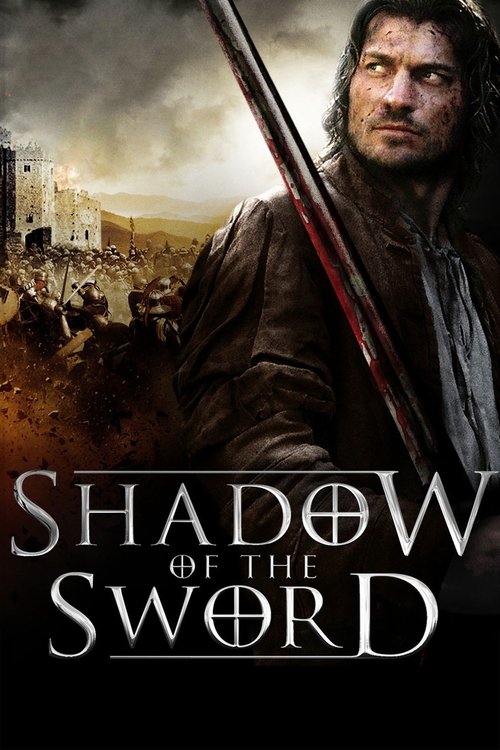
Shadow of the Sword is a period-driven character study that explores the fracturing of friendship during a religious war. It succeeds in deconstructing singular religious dogma by emphasizing the moral ambiguity of its protagonists, Martin and Georg. However, the film remains tied to traditional Western historical archetypes. The narrative lacks the complexity and demographic breadth necessary to move beyond a narrow, historically homogeneous perspective. Ultimately, while the film offers a nuanced look at individual ability to act against systemic upheaval, it lacks representation across most modern diversity metrics.
Category Breakdown
The film does not include any characters with non-straight sexual orientations or same-sex relationships. The story centers on male protagonists within a traditional historical context.
The plot is driven mainly by male characters, emphasizing their bonds and actions under political pressure. This may reinforce traditional patriarchal structures.
The 16th-century Central European setting implies a historically homogeneous cast. The film seems to reflect the demographic constraints of its era through a Western-centric lens.
The narrative challenges monolithic religious ideas by highlighting moral ambiguity. It frames the conflict through the personal costs of sectarian warfare.
There is no documented evidence regarding the inclusion of characters with visible or invisible disabilities in this work.
Present on Screen
Limited or Absent
Official Synopsis
Central Europe, early 16th century: two childhood friends, Martin & Georg, find themselves on rival sides of a religious war with both of them struggling to do the right thing.
2013

2010

2011
1997

2023
1999
2020

1952
No reviews yet. Be the first to share your thoughts on this movie!
Use the rating form above to leave a star rating and optional review.