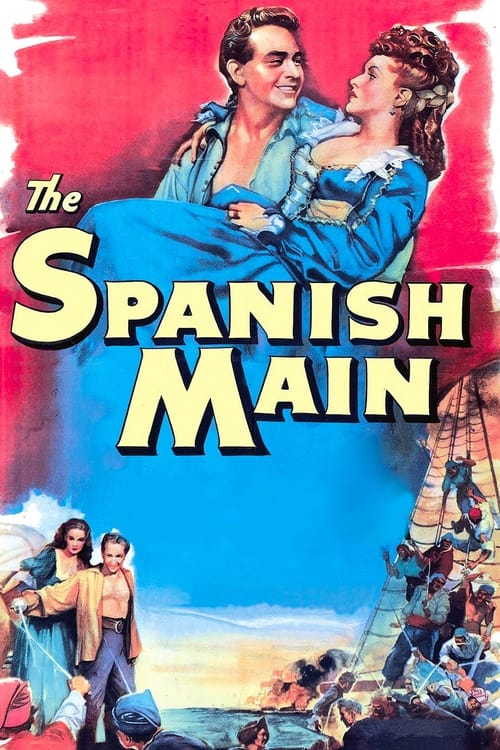
The Spanish Main
1945
No user ratings available yet
Representation score: 0.6 out of 10
Representation Score
Minimal
1951
NRDirector
Jacques Tourneur
Runtime
81 minutes
Average Rating
No ratings yetNew Showbiz Analysis
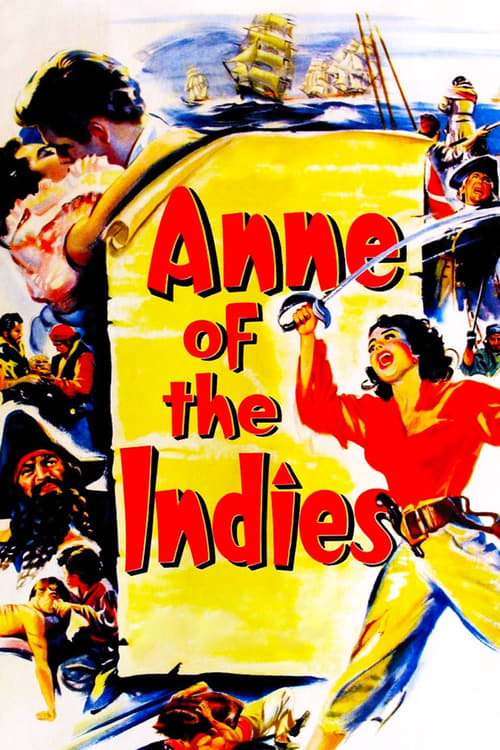
Anne of the Indies follows typical mid-century adventure clichés. While it introduces a female captain, the narrative remains rooted in traditional social and moral hierarchies. The film's diversity is limited by its focus on white protagonists and a romanticized view of colonial Caribbean life. While the film offers some positive representation through its female lead, it falls short in providing substantial ability to act to non-white characters and fails to critically examine the colonial structures of the setting.
Category Breakdown
The film does not include any characters with LGBTQ+ identities.
Anne Providence commands a pirate crew, providing strong female representation. However, her role is sometimes overshadowed by her romantic relationship with Pierre LaRochelle.
The film features a diverse cast of Black and mixed-race characters in the West Indies setting. However, these characters often serve to establish social hierarchy rather than having their own stories.
The story operates within a traditional Western framework, focusing on personal honor and desire. It does not challenge the colonial or imperialist structures of the time.
The film does not depict any characters with visible or invisible disabilities, including neurodivergence or chronic illness.
Present on Screen
Limited or Absent
Official Synopsis
After buccaneer captain Anne Providence spares Pierre LaRochelle and recruits him into her pirate crew, their growing attraction is tested when Captain Blackbeard reveals LaRochelle's true identity as a former French navy officer.
1945
1940
1956

1955
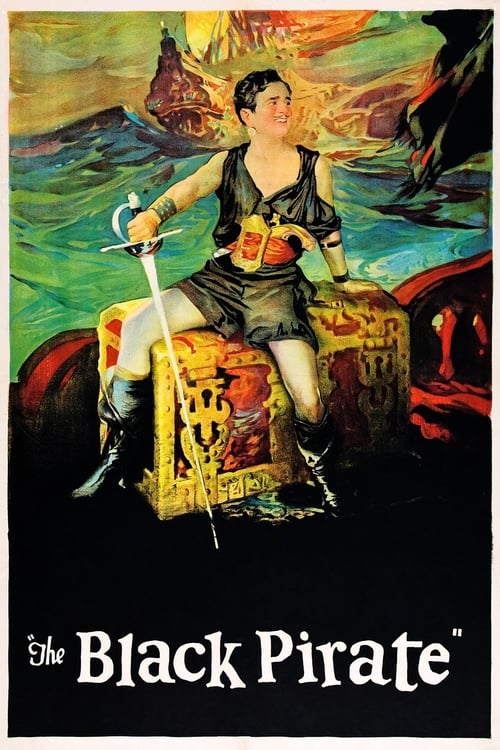
1926
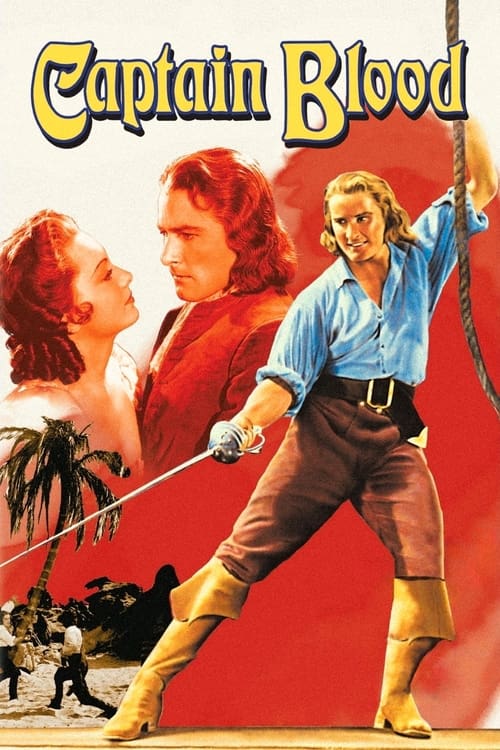
1935
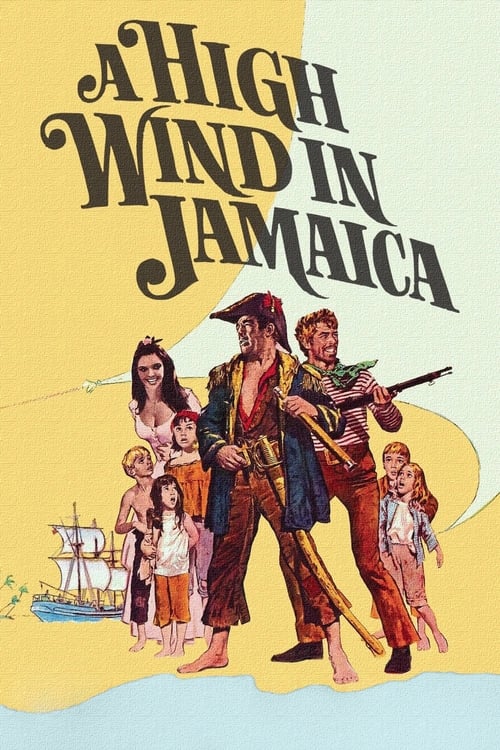
1965
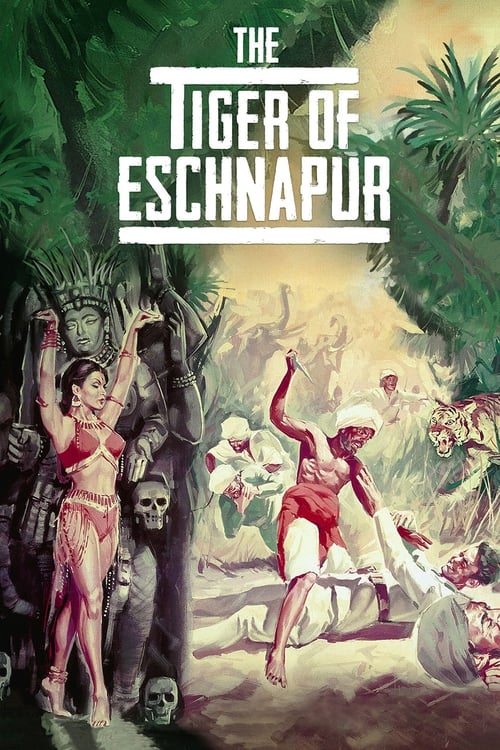
1959
No reviews yet. Be the first to share your thoughts on this movie!
Use the rating form above to leave a star rating and optional review.