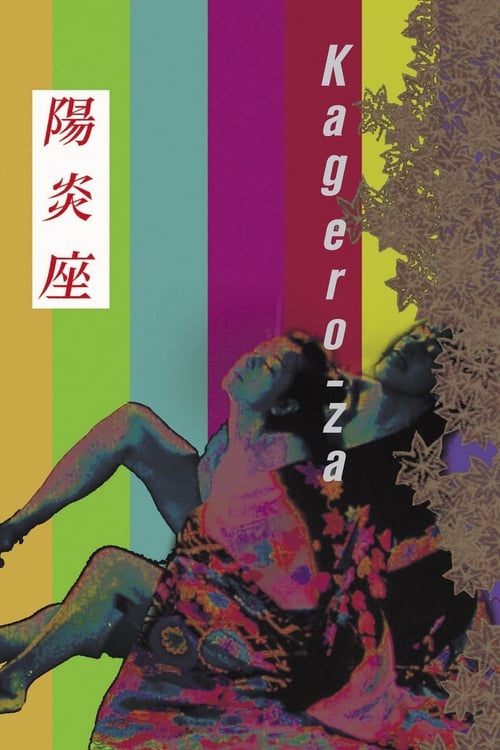
Kagero-za
1981
No user ratings available yet
Representation score: 6.1 out of 10
Representation Score
Fair
1994
RDirector
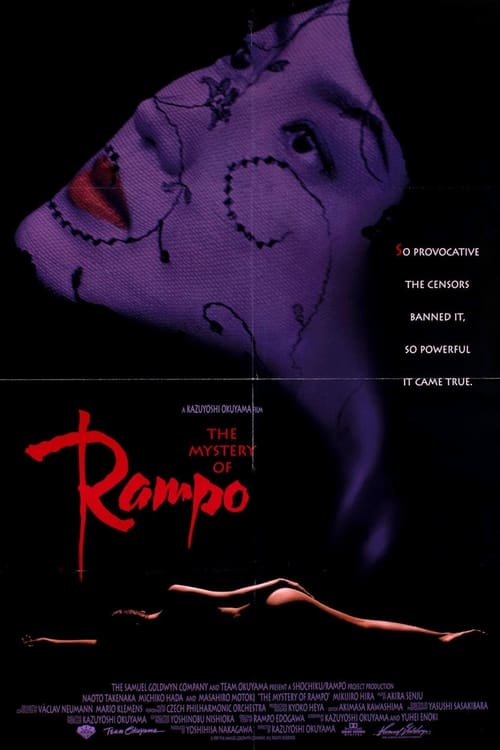
Kazuyoshi Okuyama
Runtime
100 minutes
Average Rating
No ratings yetNew Showbiz Analysis
The film stands out for its thematic critique of systemic censorship and institutional authority. It employs avant-garde, expressionistic techniques using mixed media to challenge traditional cinematic and social structures. However, the narrative remains centered on a male protagonist's psychological struggle. While Gothic horror can subvert traditional gender roles, the film does not explicitly define diverse identities or roles. Overall, the film's strength lies in its stylistic disruption and engagement with 'disturbing' or forbidden themes, rather than broad demographic representation.
Category Breakdown
The film explores themes of forbidden desires and censorship, suggesting an examination of underrepresented LGBTQ+ experiences without depicting specific same-sex intimacy.
The story focuses on a male creator's struggle against state censorship. However, the Gothic horror elements hint at a potential subversion of traditional gender roles through psychological destabilization.
As a Japanese production, the film maintains a culturally specific perspective. Its expressionistic style and blending of fantasy allow for a metaphorical deconstruction of standard social identities.
The narrative strongly critiques institutional authority and government censorship. By focusing on the suppression of truth, it challenges established social and moral orders.
There is no explicit depiction of physical or neurodivergent disabilities in the narrative.
Present on Screen
Limited or Absent
Official Synopsis
Edogawa Rampo is a writer whose latest work is censored by the government, deemed too disturbing and injurious to the public to be allowed to be published. However, after burning his drafts, his publisher shows him a newspaper with an account of events just like his forbidden story. As the film progresses, fantasy and reality intermingle in a tale that draws heavily on influences from Poe and Stoker's Dracula. The film's strongly Expressionistic direction skillfully combines a variety of media (animation, computer-generated imagery, grainy black-and-white fast film stock, color negatives) for artistic effect.
1981

2005
1982
1978
1981
2015
2012

1932
No reviews yet. Be the first to share your thoughts on this movie!
Use the rating form above to leave a star rating and optional review.