Stille Nacht I: Dramolet
1988
No user ratings available yet
Representation score: 0.6 out of 10
Representation Score
Limited
1982
Director
Jan Švankmajer
Runtime
15 minutes
Average Rating
No ratings yetNew Showbiz Analysis
Jan Švankmajer’s stop-motion adaptation emphasizes tactile surrealism and sensory decay over traditional character-driven social hierarchies. By using inanimate objects and grotesque animations, the film operates outside typical human demographic representation. The work adheres to a 19th-century Gothic literary tradition, focusing on atmospheric horror rather than social ability to act. It does not align with modern standards for progressive identity politics. Ultimately, the film's strength lies in its artistic disruption of reality through a unique, non-traditional lens.
Category Breakdown
The film does not depict any LGBTQ+ identities or queer domestic life. Instead, it focuses on the decline of the Usher family line.
The story follows a traditional Gothic structure where the protagonists' conditions are seen as symptoms of a curse rather than a critique of gendered power.
Since the film uses puppets and objects, there are no human actors. The setting is an isolated, Eurocentric Gothic environment.
The film explores the decay of aristocracy and the landed gentry. It uses dream logic to challenge conventional Western ideas of natural order.
The brother's heightened sensitivity to sound and touch is used to represent sensory disability. This experience drives the film's tension.
Present on Screen
Limited or Absent
Official Synopsis
In this animated version of Edgar Allan Poe's story, a traveller arrives at the Usher mansion to find that the sibling inhabitants are living under a mysterious family curse. The brother's senses have become painfully acute, while his sister has become nearly catatonic.
1988
1928
1950
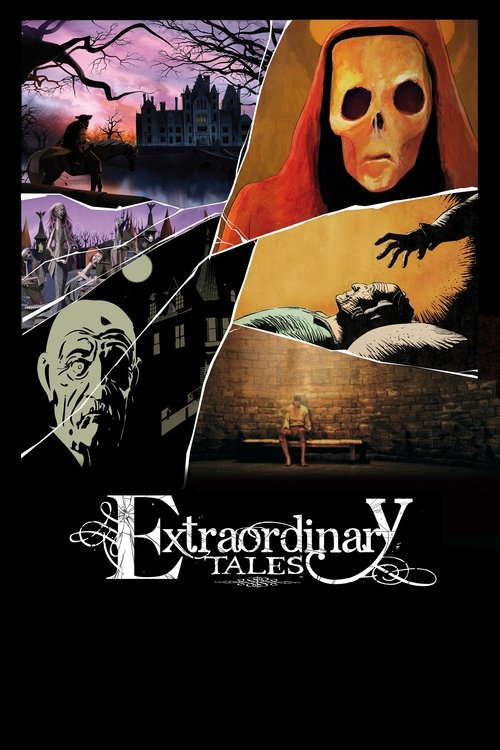
2015
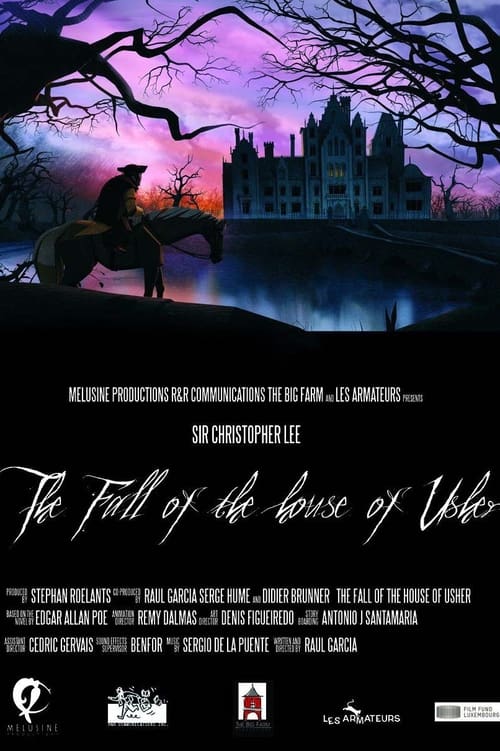
2012
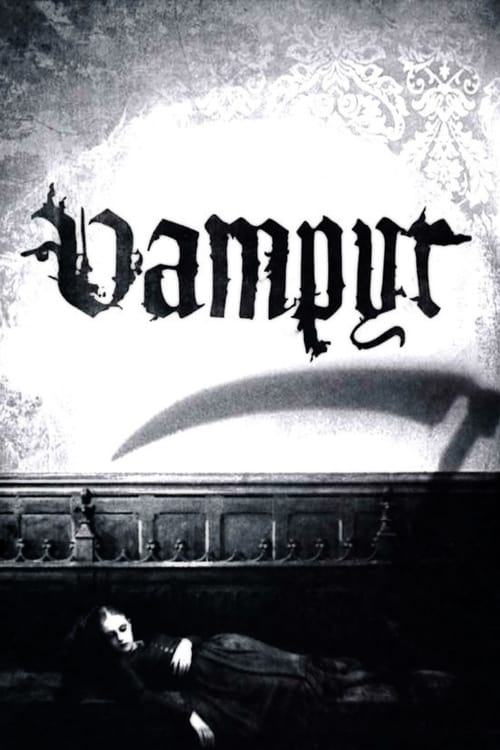
1932
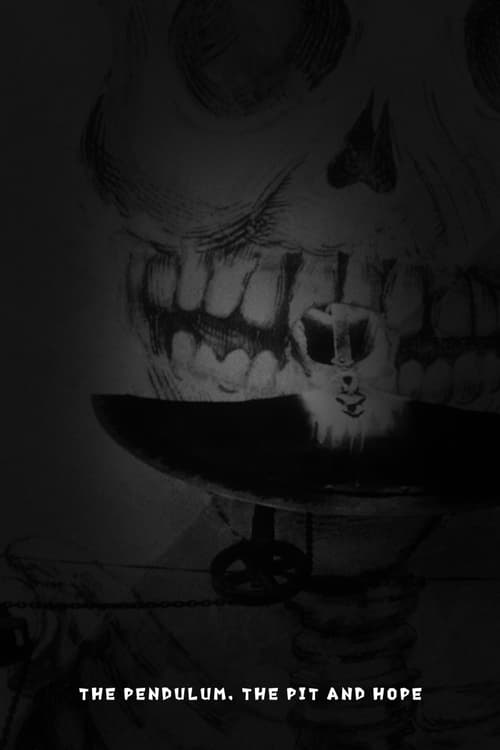
1983

1960
No reviews yet. Be the first to share your thoughts on this movie!
Use the rating form above to leave a star rating and optional review.