
Russian Ark
2002
No user ratings available yet
Representation score: 6.1 out of 10
Representation Score
Fair
2003
Director
Irina Evteeva
Runtime
53 minutes
Average Rating
No ratings yetNew Showbiz Analysis
Petersburg is a sophisticated work that prioritizes aesthetic and philosophical inquiry over traditional demographic representation. It excels in cultural deconstruction, encouraging viewers to see history as a fluid, subjective experience. While the film lacks the explicit character-driven roles needed for higher scores in LGBTQ+ or racial categories, it successfully disrupts conventional expectations of historical cinema. It opts for a visual language that emphasizes the instability of reality. Ultimately, the film's strength lies in its ability to explore the collective cultural subconscious through a postmodern lens, moving away from linear storytelling toward an impressionistic exploration of identity.
Category Breakdown
The film operates as a poetic essay rather than a character-driven narrative. While the source material includes subtle queer themes, the heavy reliance on abstract visuals makes it hard to identify specific LGBTQ+ characters.
The film challenges traditional gender roles by avoiding the typical hero's journey found in historical epics. It reduces the emphasis on masculine leadership by focusing on atmospheric exploration instead of patriarchal conquest.
The film's scope is primarily homogeneous, centered on the Eurocentric history of 18th-century Russia. There is no indication of significant racial blending or the subversion of Anglo-centric norms.
The film demonstrates high cultural subversion by prioritizing poetic truth over historical dogma. It uses reworked footage to depict history as a malleable, digital construct rather than an absolute truth.
The abstract, non-character-driven nature of this poetic essay provides insufficient evidence to assess the representation of physical or neurodivergent disabilities.
Present on Screen
Limited or Absent
Official Synopsis
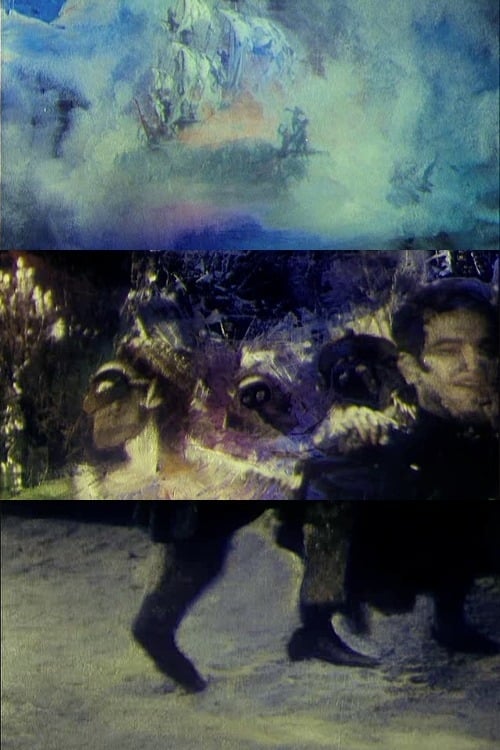
A poetic essay on the city of St. Petersburg in the 18th century, based on poems by Alexander Pushkin and Alexander Blok and a novel by Andrey Belyi. The film contains reworked footage from Aleksey Batalov's "Overcoat", Eisenstein´s "Strike", Petrov's "Peter The First", Tikhomirov's "The Queen Of Spades" and others. Petersburg is an unbounded visual fantasy where reality and imagination merge into one. The history of the city represented in a digital form may live its independent life. Yevteyeva presents sights of St.Petersburg that have become the genetic code of the Russian culture in a particular manner in her film. Each shot of the film was hand-painted with special strokes.
2002
1969
2006
2009
1972
2014
2015
1979
No reviews yet. Be the first to share your thoughts on this movie!
Use the rating form above to leave a star rating and optional review.