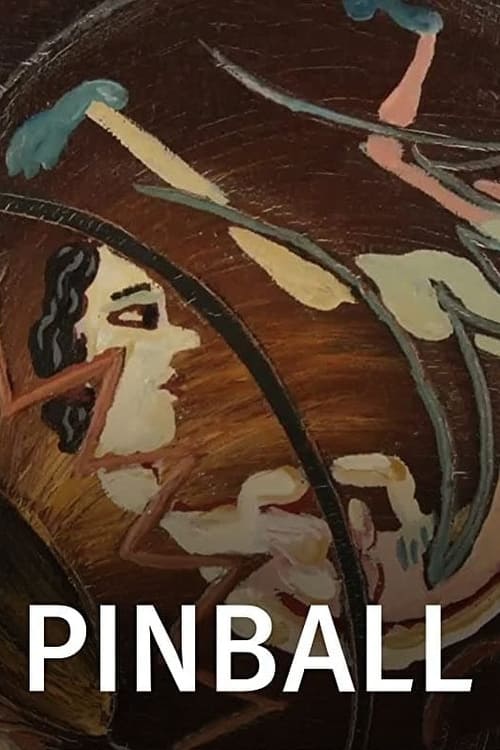
Pinball
2013
No user ratings available yet
Representation score: 0.6 out of 10
No Poster Available
Representation Score
Good
1972
Director
Alexandre Alexeieff, Claire Parker
Runtime
10 minutes
Average Rating
No ratings yetNew Showbiz Analysis
Alexandre Alexeieff and Claire Parker create a technical masterpiece that prioritizes formalist innovation over traditional storytelling. Using a dual-pinscreen setup, they create three-dimensional illusions, moving beyond typical animation structures. However, the work's abstract nature means it operates outside the realm of social representation. It lacks the character-driven structure needed to address identity politics, systemic power, or social hierarchies directly. Ultimately, the film's significance lies in its disruption of visual language rather than its engagement with social diversity. It challenges perception through texture and music rather than through the actions of diverse characters.
Category Breakdown
The film does not depict any LGBTQ+ characters or romantic dynamics. Its musical abstraction avoids assumptions about straight relationships but lacks narratives centered around identity.
Since the work emphasizes musicality and texture rather than character dialogue, it neither reinforces nor challenges traditional gender roles. Without character roles, there is no gender hierarchy.
Using the pinscreen method, the film presents classical music through abstract forms. There is no indication of specific racial or ethnic characterization or the use of non-white actors in narrative roles.
The film engages with high-art traditions by interpreting Mussorgsky’s work. It prioritizes sensory experience over structured, moralistic plots but lacks specific anti-institutional themes.
The film focuses on the interaction of light, shadow, and movement. There is no evidence of characters with visible or invisible disabilities within this visual framework.
Present on Screen
Limited or Absent
Official Synopsis
Based on Mussorgsky's Pictures at an Exhibition. This film used two pinscreens. In front of the main pinscreen, they installed a second, smaller one. This second pinscreen could be rotated thus giving more of an illusion of three-dimensionality
2013
1979

2012

1992
1992
2006
1930
1960
No reviews yet. Be the first to share your thoughts on this movie!
Use the rating form above to leave a star rating and optional review.