
The Flor Contemplacion Story
1995
No user ratings available yet
Representation score: 4.5 out of 10
Representation Score
Fair
1984
Director
Mike de Leon
Runtime
103 minutes
Average Rating
No ratings yetNew Showbiz Analysis
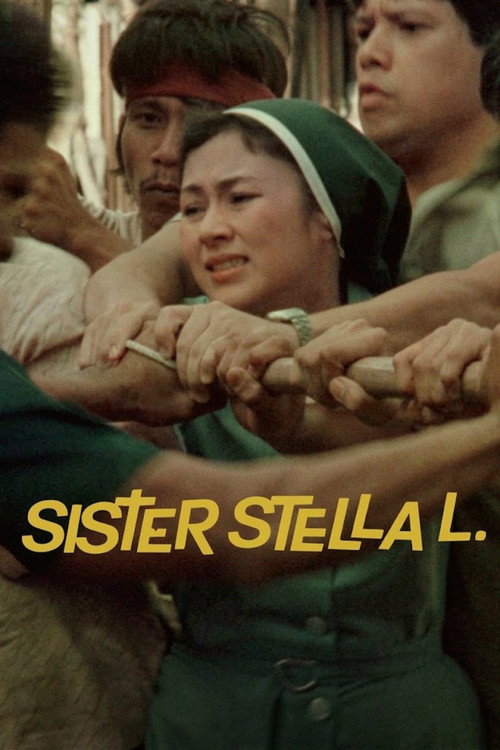
Sister Stella L. is a significant work of Philippine social realism that challenges conventional hierarchies. It excels by centering women's ability to drive the story within a political context and committing to a non-Western, class-conscious narrative. The film's strength lies in its sophisticated critique of capitalism and state authority. While the film effectively critiques systemic power and portrays the struggles of the working class, it lacks representation for LGBTQ+ identities and does not feature characters with disabilities. These omissions reflect the film's specific focus on labor and religious struggle rather than a broad spectrum of identity politics. Ultimately, the film serves as a powerful tool for social critique, prioritizing collective justice and the dismantling of institutional hegemony over traditional social stability.
Category Breakdown
The film explores the intersection of religious vocation and labor activism but does not include any LGBTQ+ characters or explore non-straight identities.
The film centers Sister Stella, a female protagonist who disrupts traditional hierarchies by exercising profound moral decision-making and navigating complex political landscapes.
The film features a predominantly Filipino cast and setting, avoiding a Western-centric perspective by focusing on the lived experiences and ability to act of the local working class.
The narrative examines the tension between religious dogma and social justice, using a strong anti-capitalist framework to portray the exploitation of the proletariat.
The film does not prominently depict characters with visible or invisible disabilities that drive the narrative or serve as central character arcs.
Present on Screen
Limited or Absent
Official Synopsis
A nun who acts as a counselor in a home for unwed mother undergoes political awakening when her friend and namesake belonging to the same congregation as hers inspires her to get involved in the struggle for justice and freedom of striking workers in a cooking oil company.
1995

1963
1989

1958

2013
1954

1987
2000
No reviews yet. Be the first to share your thoughts on this movie!
Use the rating form above to leave a star rating and optional review.