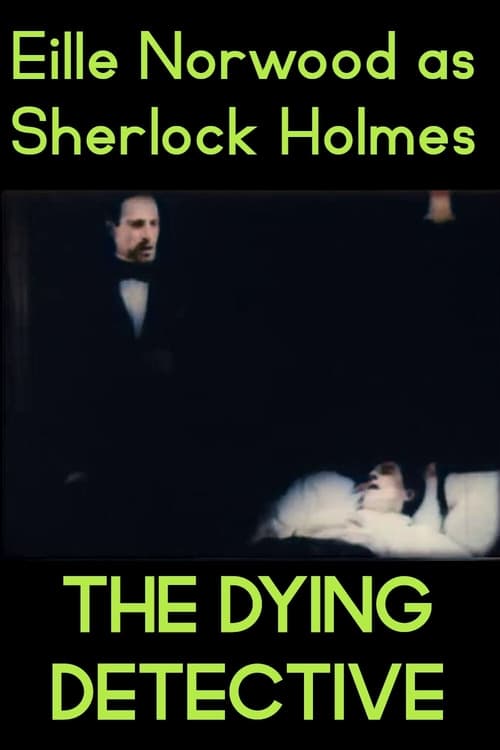
The Dying Detective
1921
No user ratings available yet
Representation score: 0.5 out of 10

Representation Score
Minimal
1921
Director
Maurice Elvey
Runtime
29 minutes
Average Rating
No ratings yetNew Showbiz Analysis
The Devil's Foot is a traditional silent-era crime drama that prioritizes genre clichés over social critique. It functions as a period-specific adaptation of a Sherlock Holmes mystery, focusing on the detective's intellectual dominance. Because the film was produced in 1921, it reflects the socio-cultural constraints of its time. The narrative lacks intentionality regarding multi-layered representation, instead adhering to established Western norms and Anglo-Saxon perspectives. Ultimately, the film serves as a foundational genre piece rather than a work of social critique. It reinforces existing hierarchies and institutional structures rather than challenging them.
Category Breakdown
The film does not include any characters with non-straight or non-cisgender identities. It follows the social norms of the early 20th century without questioning the assumption that everyone is straight or cisgender.
The story likely reinforces the conventional gender roles of the era. It focuses on male intellectual dominance and professional control typical of the Sherlock Holmes series.
The film centers on Anglo-Saxon perspectives common to the Sherlock Holmes canon. There is no indication of a non-white majority cast or actors of different backgrounds playing traditionally white roles.
The story adheres to traditional Western structures of justice and order. It emphasizes the effectiveness of established legal and investigative institutions through its mystery format.
There is no evidence of characters with disabilities being portrayed with real power. Physical or mental impairments in this era often served as mere plot devices.
Present on Screen
Limited or Absent
Official Synopsis
Sherlock Holmes (Eille Norwood) is on vacation when he stumbles into a house and discovers two bodies. Both have been dead for hours but there aren't any visible signs of violence and soon other bodies start to pile up.
1921
1944
1941
1943
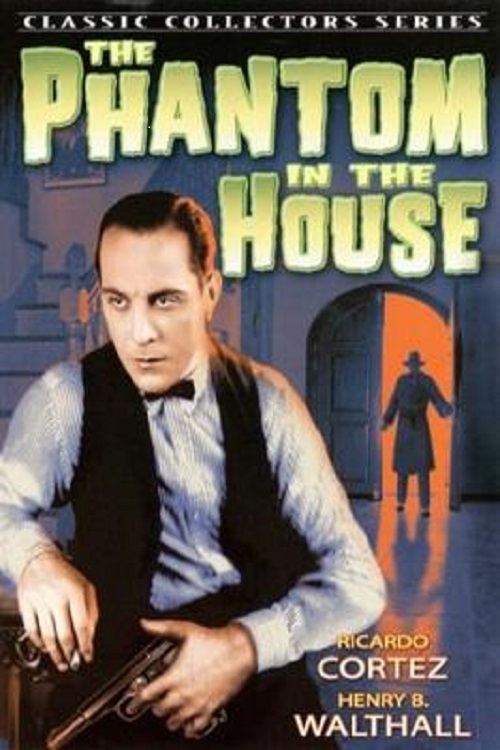
1929
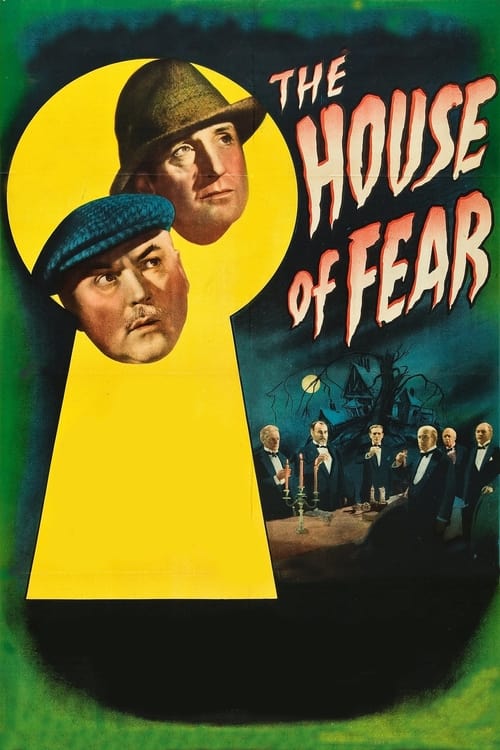
1945

1986
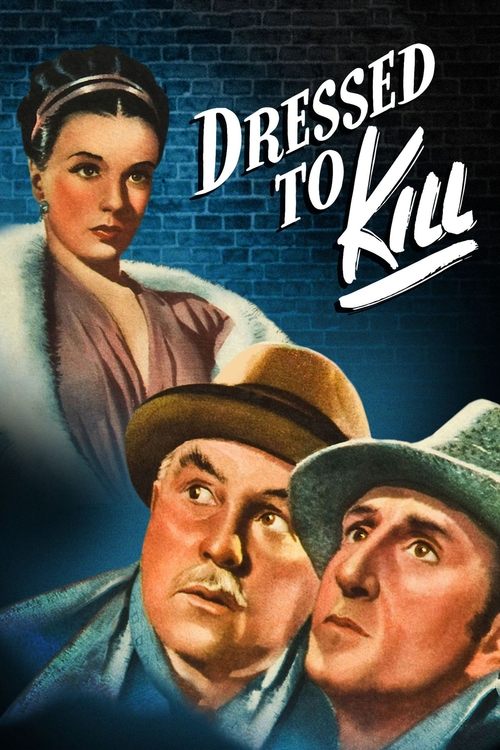
1946
No reviews yet. Be the first to share your thoughts on this movie!
Use the rating form above to leave a star rating and optional review.